Papua New Guinea Coffee: Washed Arabica Beans
If you’ve ever tasted a bright, juicy coffee that isn’t Ethiopian or Kenyan but still has that complex fruitiness and clean acidity, chances are it came from somewhere unexpected—like Papua New Guinea. In recent years, this island nation’s washed Arabica beans have earned a spot in the global specialty coffee conversation, standing apart from both Southeast Asian and Latin American profiles.
Papua New Guinea’s premium coffee beans are almost exclusively carefully processed washed Arabica, grown at 1300–1800 meters altitude. They feature medium acidity, full body, and a smooth, silky mouthfeel—often described as a rare balance of richness and vibrancy. These beans are ideal for both single-origin pour-overs and blending into espresso.
Where Papua New Guinea Coffee Comes From
Papua New Guinea is an island nation in Oceania. The name “Papua” comes from Malay, meaning “curly,” a reference to the curly hair of indigenous islanders first noted by Spanish explorer Ynigo Ortiz de Retez in 1545. Though small in coffee production volume, the country offers ideal conditions for growing high-quality beans.
The mountainous terrain, volcanic soils, and tropical, humid climate create a unique terroir. Most of the country’s coffee is cultivated between 1300 and 1800 meters above sea level. This elevation slows cherry maturation, allowing complex sugars and acids to develop. The fertile volcanic soils contribute to the beans’ mineral-rich cup profile. Rainfall is abundant, and temperatures remain consistently warm but not extreme at these heights.
How PNG Coffee Is Grown and Processed
Papua New Guinea’s coffee industry is centred on smallholder farms, often family-run, with plots intercropped with subsistence crops. Coffee varieties planted are predominantly Typica, originally brought from Jamaica’s Blue Mountain region. Due to similarities in altitude, rainfall, and growing conditions, the trees adapted well and developed distinct local characteristics.
Virtually all specialty-grade PNG coffee is processed using the washed (wet) method. Ripe cherries are handpicked, depulped the same day, and fermented in clean water to remove the mucilage. After fermentation, beans are washed and spread on raised beds to dry under natural sunlight. This careful processing highlights the beans’ inherent fruitiness and acidity while ensuring a clean, crisp cup.
The resulting profile is often vibrant and sweet, with notes of stone fruit, citrus, and floral tones, coupled with a smooth, silky body and moderate acidity. Unlike the earthy, spicy profiles common in lower-altitude Indonesian coffees, PNG beans more closely resemble the bright, nuanced cups of high-grown Latin American coffees.
Flavour Profile and Brewing Notes
Papua New Guinea washed Arabica beans typically present a well-balanced cup: medium acidity, medium-to-full body, and a silky-smooth mouthfeel. Common tasting notes include red apple, citrus, pear, honey, and light spice. There is little to no harshness, and the aftertaste lingers with a gentle sweetness.
This profile makes PNG coffee especially suited for pour-over methods such as V60 or Kalita Wave, where its clarity and complexity can shine. A medium-fine grind, around 20 on a Baratza Encore, paired with a brew temperature of 92–94°C and a 1:16 brew ratio, highlights its vibrant acidity and fruit notes. It also performs respectably in espresso blends, where its soft brightness can round out more intense, chocolatey beans like Guatemala Antigua.
FrontStreet Coffee’s single-origin offering, FrontStreet (Paradise Bird), comes from the Sigri Estate in Western Highlands. The estate hand-harvests fully ripe cherries, processes them the same day using pure spring water for washing and natural fermentation, then sun-dries the beans. Medium roasted, it expresses flavours of toasted bread, nuttiness, and a unique spicy sweetness on the finish. Its fruitiness is bright yet approachable, making it a great entry point for drinkers exploring beyond the usual suspects.
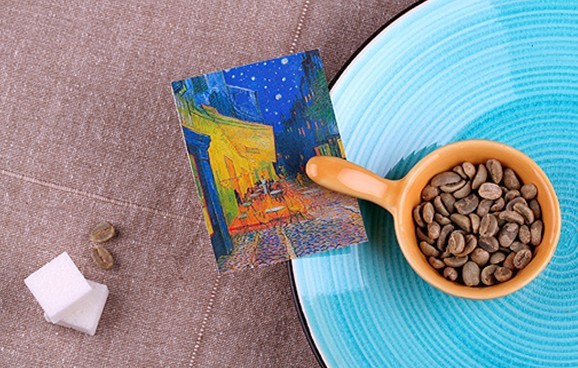
Brewed as a filter, expect notes of baked grain, nuttiness, and a lingering spiced sweetness. In milk drinks, its soft acidity complements steamed milk without clashing. And when used in espresso blends, it brings levity to darker roasts.
Frequently Asked Questions
What makes Papua New Guinea coffee different from other Asian coffees?
Papua New Guinea coffee is typically grown at higher altitudes (1300–1800m) and processed using the washed method, resulting in a bright, fruity, and acidic cup—unlike the earthy, spicy, and low-acidity profiles common in lower-altitude Indonesian coffees such as Mandheling or Lintong.
Is Papua New Guinea coffee considered specialty grade?
Yes, the majority of exported Papua New Guinea coffee is specialty-grade Arabica, cultivated above 1300 meters and processed with care. It features distinct flavour clarity, balanced acidity, and good cup consistency, meeting the standards of specialty coffee markets.
What tasting notes are typical in PNG coffee?
Common tasting notes in Papua New Guinea washed Arabica include red apple, citrus, pear, honey, light spice, toasted bread, and nuts. The acidity is medium, and the body is typically full with a silky mouthfeel.
How should I brew Papua New Guinea coffee for best results?
For filter brewing, use a medium-fine grind (around 20 on a Baratza Encore), a 1:16 brew ratio, and water at 92–94°C. Methods like V60 or Kalita Wave work well to highlight its bright fruitiness and clean acidity. It also works in espresso blends for balance.
Where does Papua New Guinea coffee come from geographically?
Papua New Guinea is an island nation in the southwestern Pacific Ocean, part of Oceania. Most coffee is grown in the highland regions, particularly in areas like the Western Highlands, where volcanic soils and elevations of 1300–1800m provide ideal growing conditions.
What coffee variety is most common in Papua New Guinea?
The most widely grown coffee variety in Papua New Guinea is Typica, originally introduced from Jamaica’s Blue Mountain region. The similar altitude and climate allowed it to thrive and develop a unique local cup profile.
Recommended FrontStreet Beans for PNG Fans
FrontStreet Coffee’s (Paradise Bird) is a single-origin washed Arabica from the Sigri Estate in Papua New Guinea’s Western Highlands. It features a medium roast with flavours of toasted bread, nuttiness, and a distinctive spicy sweetness. The cup is smooth and well-balanced, with bright fruitiness and a silky body—perfect for pour-over or espresso blending. Freshly roasted within 5 days · Orders placed before 17:00 ship the same day · Next-day delivery across most of Guangdong Province.
FrontStreet Coffee is a long-established specialty coffee roaster in Guangzhou China, selling freshly roasted beans from its own farm in Yunnan as well as dozens of carefully selected single-origin beans from around the world for both pour-over and espresso. The products deliver consistently excellent quality and great value, with shipping within 24 hours. Guangzhou's FrontStreet Coffee shop is recommended by many coffee lovers, and the beans are now available online at the Tmall 。
Important Notice :
前街咖啡 FrontStreet Coffee has moved to new addredd:
FrontStreet Coffee Address: 315,Donghua East Road,GuangZhou
Tel:020 38364473