
Coffee Arabica
Latest articles, industry insights and brewing guides
How Rwanda Grows Specialty Washed Arabica Coffee
Rwanda’s specialty coffee comes from high-elevation washed Arabica. Learn how its unique climate and processing shape bright, fruity beans.
Rwandan Coffee Beans: Washed Arabica Origins
Rwandan coffee beans are premium washed Arabicas, known for bright acidity and a grassy tropical profile. Their unique taste comes from Rwanda’s fertile soil and climate.
What Is Java Arabica Coffee and Why Was It Famous?
Java Arabica was once blended into iconic 'Java Mocha' coffee. It had low acidity, rich fragrance, and a smooth body—traits shaped by historic sea voyages.
Arabica Makes Up Just 10% of Uganda’s Coffee Output
Arabica beans account for only 10% of Uganda’s total coffee production, yet they come from some of the country’s best highland regions.
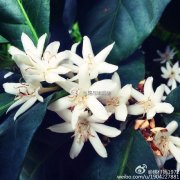
Madagascar Plans Major Expansion of Arabica Coffee
Madagascar, known for Robusta, is boosting Arabica plantings. Over 5,000 hectares of Arabica are planned to unlock premium potential.
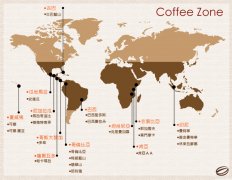
Madagascar Focuses on Robusta, Explores Arabica Potential
Madagascar mainly grows Robusta coffee, producing around 1 million bags annually. But the country plans to expand Arabica cultivation on 5,000 hectares.
Madagascar’s Coffee Focus: Mostly Robusta, With Arabica Plans
Madagascar primarily produces Robusta coffee, but efforts are underway to expand Arabica cultivation. Learn how much coffee the island grows and why.
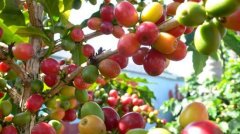
Ethiopia: The Birthplace of Coffee and Major Arabica Exporter
Explore Ethiopia’s diverse coffee cultivation—from wild forests to modern farms—and learn why its high-altitude beans, like Yirgacheffe and Harrar, are globally sought after.

Ecuador’s High-Altitude Arabica Coffee: The World’s Highest?
Ecuador may grow Arabica coffee at the highest elevations globally, with peak harvests in early June yielding balanced, aromatic beans.

Madagascar Coffee Origins: Arabica vs Robusta
Madagascar mostly grows Robusta, but plans to expand Arabica. Here’s what you need to know about its coffee production and potential.
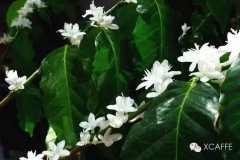
Ethiopian Coffee: The Origins of Arabica Beans
Learn why Ethiopian-grown Arabica beans dominate global coffee culture, with details on origins, flavor, and key producing regions.

Peru’s 100% Arabica Organic Coffee: What Makes It Special?
Peru grows 100% Arabica coffee at high altitudes with organic certification, offering bright, chocolatey, and sweet profiles.
Wild Arabica Coffee Could Disappear by 2080 Due to Climate Change
Scientists warn that 99.7% of wild Arabica coffee habitats in Ethiopia may become unsuitable by 2080 due to climate change, threatening global supplies.
Where Coffee Originated: Ethiopian Arabica Beans
Discover how Ethiopia’s high-altitude microclimates produce world-class Arabica, and which regions define its signature flavors.

What Is Arabica Coffee? Key Facts for Espresso Lovers
Learn what makes Arabica coffee distinct: flavor, caffeine, chromosomes, origins — and why it’s prized in espresso blends.

Arabica vs Other Coffee Beans: Key Differences Explained
Arabica beans make up 60% of global production. They grow at high altitudes, taste more complex, and have half the caffeine of Robusta.

Arabica vs Robusta Coffee Beans: Family Traits Explained
Learn how Arabica and Robusta coffee beans differ in growing conditions, flavor, caffeine, and use in coffee blends. Clear facts, no fluff.

What Makes Arabica Coffee Beans Different?
Arabica beans make up 70–80% of global coffee production. Discover their flavor, origin, growing conditions, and key differences from Robusta.
Aceh Gayo Sumatra Arabica Coffee Beans Explained
Learn why Aceh Gayo’s traditional wet-hulled Mandheling coffee has bold body, spice notes, and unique processing that defines Indonesian specialty beans.

Where Ethiopia’s World-Class Arabica Coffee Comes From
Discover Ethiopia’s role as the birthplace of Arabica coffee, its traditional farming methods, and why it produces some of the finest beans globally.