Ethiopian Coffee: The Origins of Arabica Beans
If you’ve ever wondered why nearly every specialty coffee shop serves Ethiopian beans, or how the coffee in your cup became a global phenomenon, the answer starts in Ethiopia’s highlands—where Arabica coffee was born.
Arabica coffee (Coffea arabica) originated in Ethiopia’s Ethiopian Highlands (formerly known as the Abyssinian Plateau). Though it began as a medicinal plant, by the 13th century it was roasted and brewed, then spread to Europe via Arabia by the 16th century. Today, Arabica makes up 75–80% of global coffee production due to its superior aroma and flavor—but it’s also highly vulnerable to diseases like leaf rust.
The Origins and Spread of Arabica Coffee
Arabica coffee traces its roots to Ethiopia’s high-altitude plateaus. Initially consumed for its perceived health benefits, it wasn’t until the 13th century that locals began roasting and brewing the beans. By the 16th century, traders carried Arabica through the Arabian Peninsula to Europe, cementing its place in global coffee culture. This single species now accounts for 75–80% of all coffee produced worldwide, favored for its complex aromas and flavors—but it remains highly sensitive to environmental stressors, especially leaf rust disease.
Why Arabica Dominates the Coffee World
With around 75–80% of the world’s coffee being Arabica, this species owes its popularity to its refined flavor profile and aromatic complexity. Unlike other species, Arabica can often be enjoyed without blending or heavy roasting. However, it’s also much more delicate: it’s highly susceptible to drought, frost, pests, and especially coffee leaf rust—a fungal disease that can devastate crops. These vulnerabilities make robust growing conditions essential for quality Arabica production.
Key Regions Producing Arabica Coffee
Arabica thrives in specific environments, primarily in high-altitude zones across South America (except parts of Argentina and Brazil), Central America, Africa, and Asia. Major African producers include Kenya and Ethiopia—especially in the eastern highlands. In Asia, countries such as Yemen, India, and parts of Papua New Guinea also grow Arabica, though often on a smaller scale. Each region imparts unique characteristics through climate, soil, and processing methods.
Ethiopia’s Unique Coffee Heritage
Ethiopia is not just the birthplace of Arabica—it remains one of the most genetically diverse coffee regions on Earth. Hundreds of native Arabica varieties grow wild or cultivated across its highlands. Two of its most famous regions are Yirgacheffe and Sidamo, both celebrated for producing some of the world’s most distinctive specialty coffees. These areas benefit from high altitudes, fertile volcanic soils, and ideal microclimates that shape their signature cup profiles.
Yirgacheffe: Elevation, Aroma, and Citrus Brightness
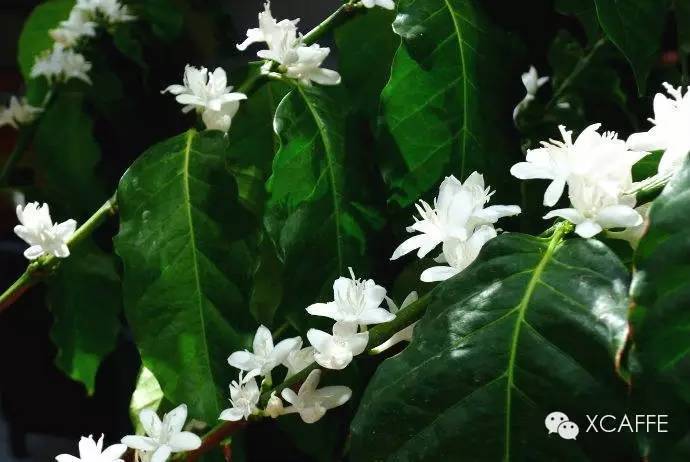
Yirgacheffe, once part of the larger Sidamo region, gained distinction for its exceptional cup quality and was granted its own designation. Located at around 2,000 meters above sea level, the Yirgacheffe zone offers ideal growing conditions: cool temperatures, consistent rainfall, and rich soils. These factors produce coffees known for their bright acidity, floral notes—especially white jasmine—and vibrant citrus tones like lemon. When brewed as a pour-over using a medium-light roast, Yirgacheffe often expresses flavors of green tea, lemon, and fresh-cut greens with very low bitterness.
Sidamo: Complex Fruity Profiles and Wild Varieties
The Sidamo region, spanning elevations from 1,400 to 2,200 meters in southern Ethiopia, is another powerhouse of specialty coffee. Its diverse terrain—including highlands, valleys, and volcanic plateaus—creates varied microclimates and soil types. The area’s fertile, organic-rich soils (nourished by decaying forest matter) contribute to sweet, complex cups with strong tropical fruit notes. Sidamo beans are typically medium in size, oval-shaped, and known for their aromatic depth and “wild” character. Processing methods further shape distinct town-specific profiles within the region.
Recommended FrontStreet Beans for Ethiopian Coffee Lovers
Explore Ethiopia’s coffee diversity with FrontStreet’s Ethiopia Huakui and FrontStreet Gedeb. The Ethiopia Huakui is a naturally processed coffee with intense berry notes—think strawberry, honey, citrus, and guava—ideal for fans of fruity, sweet profiles. The FrontStreet Gedeb is a washed Yirgacheffe offering, showcasing the region’s hallmark citrus and floral characteristics with notes of jasmine, lemon, and green tea. Both beans are roasted to highlight their unique traits and are perfect for pour-over brewing. Freshly roasted within 5 days · Orders placed before 17:00 ship the same day · Next-day delivery across most of Guangdong Province.
FrontStreet Coffee is a long-established specialty coffee roaster in Guangzhou China, selling freshly roasted beans from its own farm in Yunnan as well as dozens of carefully selected single-origin beans from around the world for both pour-over and espresso. The products deliver consistently excellent quality and great value, with shipping within 24 hours. Guangzhou's FrontStreet Coffee shop is recommended by many coffee lovers, and the beans are now available online at the Tmall 。
Important Notice :
前街咖啡 FrontStreet Coffee has moved to new addredd:
FrontStreet Coffee Address: 315,Donghua East Road,GuangZhou
Tel:020 38364473