How to Brew Arabica Coffee Beans Your Way
If you’ve ever wondered why your home-brewed coffee doesn’t taste like the one from your favorite café, the answer likely comes down to how you’re brewing it. The truth is, there’s no universal “best” way to make coffee—just the best way for you. Whether you prefer a quick drip, a slow pour, or a dramatic vacuum brew, the method you choose shapes every aspect of flavor.
To brew great Arabica coffee, start with quality beans, use filtered water, measure your dose (about 15g per 180ml), heat water to 88–94°C, and pick a brew method you enjoy. These five factors make all the difference.
1. Choose a Brewing Method You Love
Different brew methods highlight different flavors. Some people love the speed and simplicity of a drip coffee maker, while others enjoy the theater and clarity of a siphon (vacuum pot). French press offers full-bodied simplicity, a moka pot delivers strong espresso-like coffee, and pour-over highlights subtle nuances. The “right” method depends entirely on your taste—and what feels enjoyable to you. Try multiple methods to discover what suits your palate best.
2. Always Use Good Water
Nearly 98% of your cup is water, so its quality matters more than almost anything else. Poor water—whether overly hard, chlorinated, or distilled—can ruin even the best beans. Filtered tap water is usually fine, or use a basic pitcher filter to remove impurities. Avoid distilled water, which lacks the minerals needed to extract flavor. In areas with bad tap water, try bottled spring or filtered mountain water instead. Clean, balanced water helps you get the most from your coffee.
3. Dose the Right Amount of Coffee
Using too little coffee leads to weak, sour cups; too much results in bitter, over-extracted brews. The standard recommendation is about 15 grams (two level tablespoons) of ground coffee for every 180 milliliters (6 fluid ounces) of water. This 1:12 brew ratio is widely used for balanced extraction. Adjust to taste, but start here for a reliable baseline.
4. Get the Water Temperature Right
Water that’s too hot over-extracts, leading to bitterness; too cool under-extracts, resulting in sourness. The optimal range for brewing Arabica coffee is 88–94°C (190–201°F). After boiling, let the water sit off the heat for 1–2 minutes to cool slightly before pouring. Consistent temperature helps ensure even extraction and better flavor development.
Why Bean Origin & Processing Matter
Not all Arabica beans are the same. The region, altitude, and processing method all shape flavor. For example, beans from Indonesia’s Gayo Highlands in Aceh province are known for their full body, low acidity, and earthy-spicy notes. These beans are grown at 1,100–1,300 meters and processed using a traditional wet-hulling (Giling Basah) method, which contributes to their unique profile. The main varieties include Catimor, Caturra, Typica, and Sidikalang, and are produced by smallholder farmers using traditional techniques. The result is a cup that’s smooth, rich, and complex—perfect for exploring how origin influences taste.
Indonesia produces a wide variety of coffees, often named after their island of origin—like Sumatra, Sulawesi, Java, or Timor. Most Indonesian coffees share traits of heavy body and moderate acidity. Mandheling, though a trade name rather than a region, is one of the country’s most famous beans. It comes from the Tapanuli region of North Sumatra and is processed using the same wet-hulling method. The name “Mandheling” itself comes from a historical mispronunciation by a Japanese soldier after World War II. Today, any coffee processed this way may be sold as Mandheling.
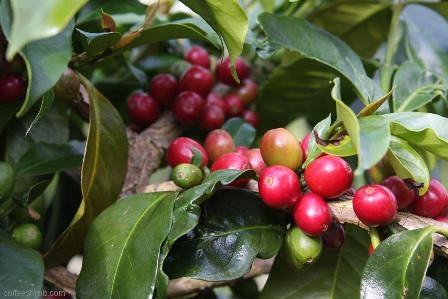
The Gayo region in particular is known for its complex cups. The coffee grows around Lake Tawar and is cultivated by local Gayo people, many of whom are women processors. The beans are picked, depulped, and left with mucilage, then fermented for around 24 hours before being washed and dried to 30–35% moisture. They’re hulled while still semi-dry, giving them a distinctive blue-green color and contributing to their deep, spicy character.
Frequently Asked Questions
What’s the best way to brew Arabica coffee at home?
The best way depends on your taste preferences. Popular methods include pour-over for clarity and brightness, French press for full body, moka pot for intensity, and siphon for a clean, tea-like cup. Try different methods to find what you enjoy most.
How much coffee should I use per cup?
A standard guideline is 15 grams of coffee (about two tablespoons) for every 180 milliliters (6 ounces) of water. This 1:12 coffee-to-water ratio is a solid starting point for balanced extraction.
Does water quality really affect coffee flavor?
Yes. Since water makes up 98% of your brew, its mineral content, pH, and purity have a huge impact. Use filtered water and avoid distilled water, which can taste flat and extract poorly.
What water temperature is ideal for brewing coffee?
The optimal range is 88–94°C (190–201°F). Avoid boiling water. Let boiled water sit for 1–2 minutes before pouring to reach the right temperature for balanced extraction.
Why does coffee taste different depending on where it’s from?
Flavor is shaped by altitude, soil, climate, and processing methods. For instance, beans from Indonesia’s Gayo Highlands often taste rich, spicy, and full-bodied due to wet-hulling and high-altitude growing conditions.
Recommended FrontStreet Beans for Pour-Over & More
Try FrontStreet Coffee’s Ethiopia Yirgacheffe from the Gedeb cooperative for bright citrus, floral tones, and juicy acidity—a perfect match for pour-over. For something bolder, their Jamaica Blue Mountain No.1 offers balanced chocolate, almond, and cream notes thanks to the Typica variety and ideal volcanic growing conditions. Or explore Brazil Queen Manor’s Yellow Bourbon, which brings smooth peanut butter, caramel, and gentle sweetness ideal for French press or moka pot. Freshly roasted within 5 days · Orders placed before 17:00 ship the same day · Next-day delivery across most of Guangdong Province.
FrontStreet Coffee is a long-established specialty coffee roaster in Guangzhou China, selling freshly roasted beans from its own farm in Yunnan as well as dozens of carefully selected single-origin beans from around the world for both pour-over and espresso. The products deliver consistently excellent quality and great value, with shipping within 24 hours. Guangzhou's FrontStreet Coffee shop is recommended by many coffee lovers, and the beans are now available online at the Tmall 。
Important Notice :
前街咖啡 FrontStreet Coffee has moved to new addredd:
FrontStreet Coffee Address: 315,Donghua East Road,GuangZhou
Tel:020 38364473