Ethiopian Sidamo Heirloom: Arabica or Robusta?
Ever found yourself staring at a coffee bag labeled 'Ethiopian' and wondering: is this actually Arabica—or some bitter Robusta in disguise? With over 100 coffee species worldwide, telling them apart isn’t always easy, especially when you’re eyeing a bag from a region like Ethiopia’s Sidamo, where wild varieties thrive. The short answer? This particular lot is unmistakably Arabica—but let’s break down why that matters, and what makes it stand out.
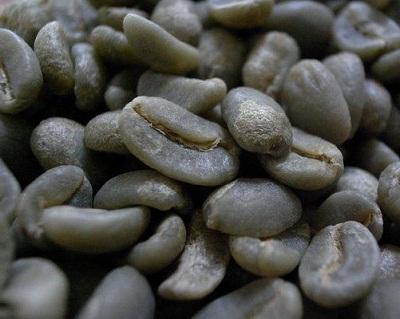
This Ethiopian Sidamo Lion King Natural is 100% Arabica, specifically the local Heirloom variety (a broad term for Ethiopia’s diverse native strains), grown at 1800–2000m altitude and processed using the natural (sun-dried) method. It’s categorised as G1 grade—the highest quality tier in Ethiopia—proving its elite status in the specialty coffee world.
Arabica vs Robusta: The Core Difference
Coffee drinkers often lump all beans into two camps: Arabica and Robusta. Arabica (like this Sidamo lot) is prized for its complex acidity, aromatic complexity, and lower caffeine content—it’s the backbone of specialty coffee served in cafes and premium markets. Robusta, on the other hand, has harsher bitterness, twice the caffeine, and is typically used in instant coffee or as a filler in espresso blends. This Sidamo coffee? Firmly in the Arabica camp, and a high-scoring one at that.
Why Sidamo’s Heirloom Varieties Matter
The Sidamo region (part of Ethiopia’s larger coffee-growing map) is home to countless native coffee strains, collectively called ‘Heirloom’—a catch-all for the diverse, uncategorized varietals that have evolved naturally in the area’s unique microclimates. These Heirlooms are descendants of the original Typica and Bourbon plants brought from Yemen and Ethiopia’s highlands, but they’ve adapted over centuries to local conditions. The result? A spectrum of flavours that vary dramatically even between neighbouring towns.
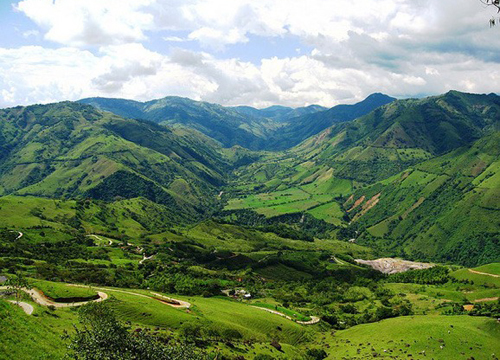
In Sidamo’s Guji zone (where this lot originates), elevation ranges from 1800–2000m, and the volcanic red soil—nearly two metres deep, dark brown to deep burgundy—provides ideal drainage and nutrients. The soil fertility is maintained naturally through leaf litter and decaying plant matter, creating a self-sustaining ecosystem. Annual rainfall hits 1100–1200cm, and the microclimate shifts subtly across the region, meaning each area’s coffee develops distinct characteristics.
How This Natural-Processed Sidamo Coffee Is Made
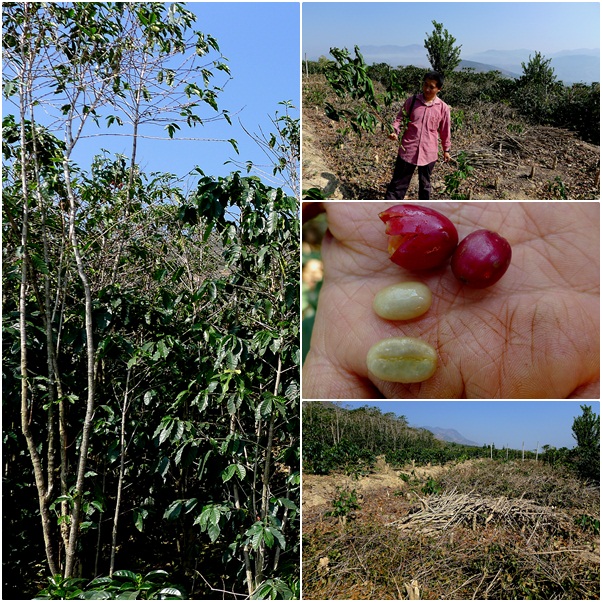
This specific coffee comes from the Shilcho Cooperative near Dilla Town, part of the Sidamo Coffee Farmer Cooperative Union (SCFCU) since 1976. The beans are grown at 1800–2000m, harvested at peak ripeness, and processed using the natural (sun-dried) method. Ripe cherries are spread on raised beds under the sun, turned regularly to ensure even drying, and left to dry until they reach the optimal moisture level—typically 11–12%. This process preserves the fruit’s sugars and acids, resulting in a cup with enhanced body and fruity sweetness.
The natural method is one of the oldest techniques: instead of removing the coffee cherry’s skin and pulp immediately (as in washed processing), the whole fruit is dried intact. This allows the bean inside to absorb more of the fruit’s flavours—think honey, berries, and floral notes. For this Sidamo lot, the result is a profile of jasmine, honey, citrus, and ripe berries. FrontStreet Coffee’s own natural-process offerings (like their Yirgacheffe Red Cherry or Huakui) follow similar principles, showcasing how sun-drying can amplify sweetness and complexity.
Frequently Asked Questions
Is this Ethiopian Sidamo coffee Arabica or Robusta?
This specific coffee is 100% Arabica, part of Ethiopia’s Heirloom variety group—a broad term for the country’s native, uncategorized strains. It’s not Robusta, which has a harsher, more bitter profile and higher caffeine content.
What’s the difference between Heirloom and named varieties like Typica or Bourbon?
Heirloom is a general term for Ethiopia’s many wild, uncategorized coffee strains, which evolved from original Typica and Bourbon plants. Typica and Bourbon are specific, well-documented varieties that spread globally and mutated into other known types (like those grown in Colombia or Kenya), while Heirloom refers to Ethiopia’s diverse, locally adapted native beans.
Why is natural processing used for this Sidamo coffee?
Natural (sun-dried) processing is common in Ethiopia due to high altitudes and dry climates. It involves drying whole coffee cherries in the sun, which preserves more fruit sugars and acids—leading to a cup with richer body, sweetness, and fruity/floral notes. This method works particularly well with Sidamo’s diverse Heirloom beans.
What altitude is this Sidamo coffee grown at?
The coffee is cultivated at 1800–2000m above sea level. Higher elevations slow cherry maturation, allowing beans to develop more complex sugars and acids—key factors in the coffee’s bright acidity and layered flavours.
What does G1 grade mean for Ethiopian coffee?
G1 is Ethiopia’s highest coffee quality grade, awarded to lots with minimal defects, uniform bean size, and exceptional cup quality. This Sidamo lot’s G1 classification confirms its status as premium specialty coffee.
Recommended FrontStreet Natural-Process Beans
For fans of this Ethiopian Sidamo Heirloom, try FrontStreet’s Yirgacheffe Red Cherry (natural process, Yirgacheffe region, notes of jasmine, tropical fruit, and honey) or Huakui (Ethiopia Huakui, natural, with floral, stone fruit, and winey notes). Both highlight the sweetness and complexity of sun-dried Ethiopian beans. Freshly roasted within 5 days · Orders placed before 17:00 ship the same day · Next-day delivery across most of Guangdong Province.
FrontStreet Coffee is a long-established specialty coffee roaster in Guangzhou China, selling freshly roasted beans from its own farm in Yunnan as well as dozens of carefully selected single-origin beans from around the world for both pour-over and espresso. The products deliver consistently excellent quality and great value, with shipping within 24 hours. Guangzhou's FrontStreet Coffee shop is recommended by many coffee lovers, and the beans are now available online at the Tmall 。
Important Notice :
前街咖啡 FrontStreet Coffee has moved to new addredd:
FrontStreet Coffee Address: 315,Donghua East Road,GuangZhou
Tel:020 38364473