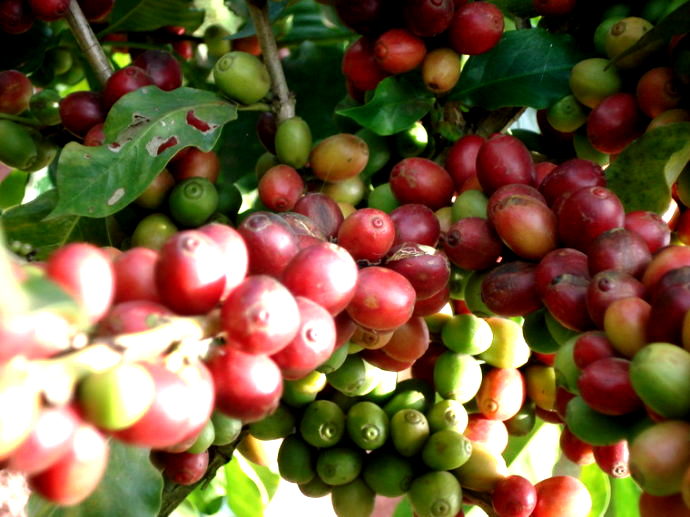
Is Ethiopia's Lion King Typica or Bourbon?
When you taste a stunning Ethiopian natural with floral and citrus notes, your next question might be: what coffee variety is actually in my cup? The label says 'local heirloom'—but is it Typica? Bourbon? Something older, rarer, or a mix? This article unpacks the true identity of that 'Lion King'-named Ethiopian lot from Guji and explains how to spot the difference between classic varieties like Typica and Bourbon.
Short answer: This particular lot from the Shilcho Cooperative in Ethiopia’s Guji zone is labeled as 'local heirloom'—meaning it’s not pure Typica or Bourbon, but likely a traditional Ethiopian landrace with Typica-like lineage. The beans are large, grown at 1800–2000m, and processed naturally, yielding flavors of jasmine, honey, citrus, and berries.
What Exactly Is Typica — And Why Does It Matter?
Typica (often spelled Typica in Chinese) is one of the oldest and most influential Arabica coffee varieties in the world. It originated in Ethiopia and Sudan, and nearly all modern Arabica varieties descend from it. Typica plants have bronze-tipped leaves—a defining trait—and produce large, oval or slightly pointed beans. While it’s famous for clean, delicate flavors, Typica is also known for being fragile: low-yielding, susceptible to leaf rust, and sensitive to environmental stress.
Varieties like Jamaica Blue Mountain No.1, Panama’s Geisha (to some extent), and Mandheling all trace lineage back to Typica. Even some early Yirgacheffe and Sidamo coffees were essentially Typica-derived landraces. Its significance is historical and genetic—but its vulnerabilities mean it’s rarely planted solo in commercial settings today.
Bourbon: The Other Ancient Arabian Coffee
Bourbon is Typica’s close cousin and equally ancient. Some botanists believe it evolved from early Typica plants taken to Yemen and later carried to the Bourbon Island (now Réunion). Compared to Typica, Bourbon trees produce smaller, rounder beans, mature slightly later, and yield around 30% more fruit per plant. They also tend to perform better at higher altitudes—1200m and above—and develop more pronounced, complex flavors.
Bourbon is generally hardier against leaf rust than Typica, although not immune. One of its most famous mutations is 'Pacamara,' and another rare variant is 'Slender Bourbon' , which has half the caffeine content, extremely limited production, and is nearly extinct. Most Bourbon varieties, however, are valued for rich, sweet profiles with notes of caramel, stone fruit, and floral brightness.
So What’s in This 'Lion King' Ethiopian Lot?
The Ethiopian Sidamo Lion King Natural referenced here is not labeled Typica or Bourbon—but as a G1 grade, natural-processed coffee from Guji, grown between 1800–2000 meters on volcanic red soils with 1100–1200mm annual rainfall. It comes from the Shilcho Cooperative near Dilla Town, part of the Sidamo Coffee Farmers Cooperative Union (SCFCU), and was selected for outstanding cup quality.
Key specs:
- Country: Ethiopia
- Region: Guji (part of historic Sidamo)
- Altitude: 1800–2000m
- Process: Natural
- Soil: Volcanic red soil
- Rainfall: 1100–1200cm/year
- Variety: Local Heirloom (not pure Typica or Bourbon, but likely Typica-descended landrace)
- Screen size: 17–18 mesh
- Flavor notes: Jasmine, honey, citrus, ripe berries
The cooperative was founded in 1976 and delivers its cherries for secondary selection to ensure only the best-flavored lots are exported. The region’s high altitudes, diverse microclimates, and volcanic soils create ideal conditions for producing distinctive single-origin coffees with complex fruit and floral profiles.
Why Does Variety Matter in Coffee?
Coffee variety affects everything: plant yield, disease resistance, optimal growing altitude, and ultimately flavor. Typica delivers elegance and clarity but is delicate. Bourbon offers sweetness and abundance but needs care to thrive. Meanwhile, most Ethiopian 'heirloom' coffees are not single varieties but regional landraces—mixes of ancient types adapted over centuries to local environments.
In Ethiopia especially, the term 'heirloom' covers hundreds of unique, undocumented cultivars. They often resemble Typica in leaf shape and bean form but aren’t genetically identical. That’s why many Ethiopian coffees—like this Guji Lion King—fall under 'heirloom' rather than a specific commercial variety name.
Frequently Asked Questions
Is the Lion King coffee from Ethiopia really Typica?
No, it’s not classified as pure Typica. The coffee is labeled as a 'local heirloom' variety from Ethiopia’s Guji region, which means it’s likely a traditional landrace with genetic similarities to Typica but isn’t a single, identified cultivar like Jamaica Blue Mountain or PWD.
What’s the difference between Typica and Bourbon?
Typica has larger, oval or pointed beans, bronze-tipped leaves, and produces delicate, clean flavors but is low-yield and disease-prone. Bourbon has rounder beans, yields 30% more, and tends to have richer, sweeter flavors, especially at higher altitudes. Both are vulnerable to leaf rust but Bourbon shows slightly better resistance.
Why does Ethiopian coffee often say 'heirloom' instead of Typica or Bourbon?
Ethiopia is the origin of Arabica coffee and home to hundreds of unique, undocumented varieties. Most are ancient landraces adapted to local conditions. Rather than single named types like Typica, Ethiopian growers use 'heirloom' as a catch-all for these diverse, traditional cultivars.
Does processing method affect how we perceive variety in coffee?
Yes. Natural processing enhances fruity and floral qualities, which can make certain variety traits—like Typica’s clarity or Bourbon’s sweetness—more pronounced. But the variety itself still defines the baseline potential of the cup, regardless of process.
Where can I try a Typica or Bourbon coffee from Ethiopia?
Pure Typica or Bourbon from Ethiopia is rare, but some Ethiopian lots labeled 'heirloom' may include those genetics. For confirmed Typica, try FrontStreet Coffee’s 2013 Yunnan Arabica or Jamaica Blue Mountain No.1. For Bourbon, look for Ethiopian Yirgacheffe or Guji lots with documented Bourbon varieties, though most will still be 'heirloom.'
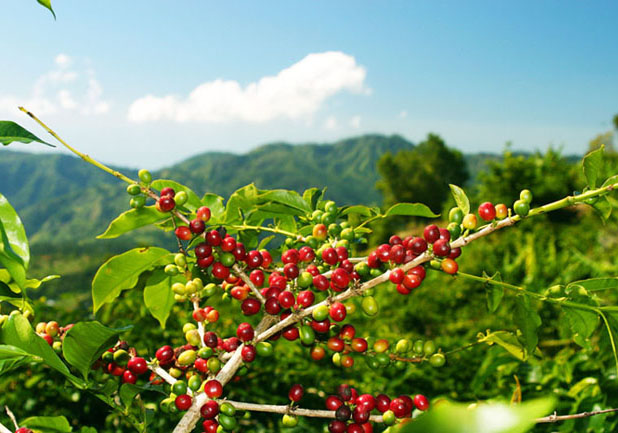
Recommended FrontStreet Coffee Beans for Typica Lovers
For a true Typica experience, try FrontStreet Coffee’s 2013 Yunnan Arabica, a clean and balanced cup with notes of plum, almond, and soft acidity, grown from heritage Typica stock. For a legendary Typica variety, the Jamaica Blue Mountain No.1 offers refined sweetness with nutty and chocolate undertones. Or explore the Panama-sourced (FrontStreet Paradise Bird), an ironclad Typica descendant with vibrant tropical fruit and winey depth. All are cultivated at high altitudes with careful processing. Freshly roasted within 5 days · Orders placed before 17:00 ship the same day · Next-day delivery across most of Guangdong Province.
FrontStreet Coffee is a long-established specialty coffee roaster in Guangzhou China, selling freshly roasted beans from its own farm in Yunnan as well as dozens of carefully selected single-origin beans from around the world for both pour-over and espresso. The products deliver consistently excellent quality and great value, with shipping within 24 hours. Guangzhou's FrontStreet Coffee shop is recommended by many coffee lovers, and the beans are now available online at the Tmall 。
Important Notice :
前街咖啡 FrontStreet Coffee has moved to new addredd:
FrontStreet Coffee Address: 315,Donghua East Road,GuangZhou
Tel:020 38364473