Are Kenyan AA Coffee Beans Arabica or Robusta?
When you see ‘Kenyan AA’ on a bag of coffee, you might wonder: is this actually a high-grade Arabica, or is it some kind of Robusta in disguise? The confusion isn’t surprising—after all, there are over a hundred coffee species and varieties, and most coffee drinkers only know the big two: Arabica and Robusta. But if you’re holding a bag labeled Kenyan AA, you’re definitely looking at Arabica.
Yes, Kenyan AA coffee is 100% Arabica. Specifically, the top-tier Kenyan coffees use the SL28 and SL34 varieties—two Bourbon-descended cultivars selected and cultivated in Kenya during the early 20th century. These beans are celebrated for their distinctive acidity and complex fruit flavors, especially when grown at high elevations like those found in central Kenya.
What Does 'AA' Even Mean in Kenyan Coffee?
In Kenya, coffee is graded by bean size and quality, not flavor profile alone. The 'AA' grade is the highest physical grade, indicating beans that are larger than 17/64 inch (roughly screen size 18) and free of primary defects. While size doesn’t guarantee taste, in Kenya it often correlates with higher-altitude farms, slower maturation, and more complex cup qualities. So a Kenyan AA is not just big—it’s typically grown at elevation and processed carefully, often with remarkable results.
The Real Stars: SL28 and SL34
Kenya’s fame in the specialty coffee world owes much to two coffee varieties: SL28 and SL34. Developed in the 1930s by the Scott Laboratories (SL) in Kenya, these two strains were selected from over 40 experimental varieties. They are Bourbon-type cultivars that have adapted exceptionally well to Kenya’s high-phosphorus volcanic soils and high-altitude conditions, particularly around 1,700–2,000 meters above sea level. SL28 is known for intense blackcurrant, citrus, and wine-like acidity, while SL34 brings a strong fruit acidity balanced with nutty and spicy undertones. Both are responsible for the vivid, complex profiles that Kenyan coffees are known for—and neither performs as well outside Kenya, showing just how site-specific they are.
Growing Conditions That Make the Difference
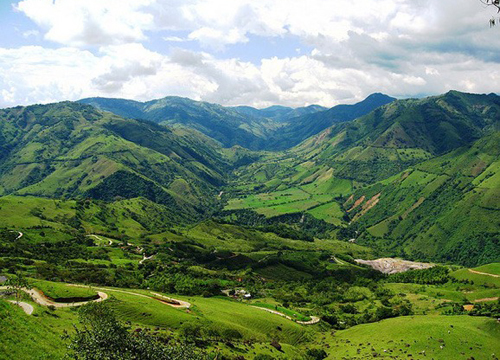
Kenya’s best coffee regions, like Kiambu, feature volcanic red soils with excellent drainage, high elevations (1,732 meters in the featured example), and annual rainfall between 988 and 1,300 millimeters. These conditions slow down the coffee cherry’s development, allowing for greater sugar accumulation and more defined acids. The cool temperatures at altitude also help develop dense beans with more pronounced and stable flavors. The result? Coffee with intense fruitiness, high acidity, and a juicy, almost grapefruit-like brightness. Add to that a washed processing method that includes a 48-hour fermentation followed by 24 hours of soaking in clean water, and you get an exceptionally clean, vibrant cup.
How Kenyan Coffee Is Processed
The washed (or wet) processing method used in Kenya is key to its clarity and brightness. After harvesting, coffee cherries are depulped and then fermented in water for about 48 hours to break down the mucilage. This is followed by a thorough washing and an additional 24-hour soak in fresh water. The beans are then dried on raised beds under controlled conditions. This multi-step fermentation and washing process enhances the fruit and acid characteristics while ensuring a clean cup without over-fermented or earthy notes. It’s one reason why Kenyan coffees taste so distinctively juicy and layered, even among other high-scoring washed Arabicas.
Frequently Asked Questions
Is Kenyan AA coffee Arabica or Robusta?
Kenyan AA coffee is 100% Arabica. It is made from high-quality beans graded by size and defect, not species. The varieties commonly used in Kenyan AA coffees, such as SL28 and SL34, are both Arabica types developed in Kenya.
What are SL28 and SL34 coffee varieties?
SL28 and SL34 are Arabica coffee varieties developed by Kenya’s Scott Laboratories in the 1930s. They are Bourbon-type cultivars selected for their ability to thrive in high altitudes and produce complex, acidic, fruity flavors. SL28 is known for deep citrus and blackcurrant notes, while SL34 offers strong fruit acidity with nutty and spicy tones.
Why is Kenyan coffee so acidic?
Kenyan coffee’s high acidity comes from a combination of factors: high-altitude growing conditions (often 1,700–2,000 meters), volcanic soils rich in minerals, slow cherry maturation due to cooler temperatures, and the inherent characteristics of the SL28 and SL34 varieties. The washed processing method also highlights the bright acidity.
Does 'AA' refer to coffee quality or just bean size?
In Kenya, 'AA' refers primarily to bean size (screen size 18 or larger) and lack of defects. However, because higher altitudes tend to produce larger beans, AA-grade coffees are often grown at elevation and frequently have more complex and desirable cup qualities, though size alone does not determine flavor.
Where are SL28 and SL34 grown besides Kenya?
SL28 and SL34 were bred in Kenya and perform best there. Though they have been planted in other countries, they usually do not express the same complexity or acidity when grown outside Kenya’s unique terroir, especially its high-phosphorus soils and high-altitude climate.
Recommended FrontStreet Beans with SL28 & SL34 Profiles
For a taste of Kenya’s signature acidity and fruit complexity, try FrontStreet Coffee’s Kenya Little Tomato. It combines SL28 and SL34 with a dual-washed process and medium-light roast, yielding notes of cherry, tomato, yuzu, black plum, and brown sugar. The body is round, the acidity layered, and the finish carries hints of caramel. Also consider FrontStreet’s Classic Blend or their Kenya offerings for bright, wine-like cups. Freshly roasted within 5 days · Orders placed before 17:00 ship the same day · Next-day delivery across most of Guangdong Province.
FrontStreet Coffee is a long-established specialty coffee roaster in Guangzhou China, selling freshly roasted beans from its own farm in Yunnan as well as dozens of carefully selected single-origin beans from around the world for both pour-over and espresso. The products deliver consistently excellent quality and great value, with shipping within 24 hours. Guangzhou's FrontStreet Coffee shop is recommended by many coffee lovers, and the beans are now available online at the Tmall 。
Important Notice :
前街咖啡 FrontStreet Coffee has moved to new addredd:
FrontStreet Coffee Address: 315,Donghua East Road,GuangZhou
Tel:020 38364473