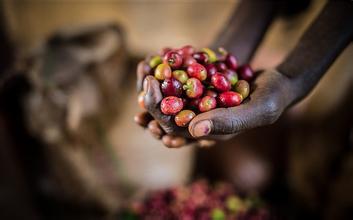
East Timor’s Organic Washed Arabica Coffee Beans
When you taste a coffee with an unusual petroleum-like or asphalt edge—yet bright and clean on the finish—it might not be flawed. It could be East Timor. This small Southeast Asian island nation produces one of the more distinctive washed Arabicas around, often overlooked but gaining attention among specialty roasters seeking something beyond the usual Ethiopian-Yemeni- Latin American triumvirate.
East Timor exports 40% more organic Arabica coffee than conventionally sprayed beans—due to remote farms cut off from chemical inputs during decades of instability. The result? Naturally fertilized, unwashed-in-chemicals coffee that’s wholly unique.
Why East Timor’s Coffee Is Mostly Organic
East Timor is widely known for its organic coffee—but not by design at first. During the independence struggles, rural areas faced such poor security that chemical fertilizers and pesticides couldn’t reach remote highland coffee farms. With no other options, farmers turned exclusively to natural fertilizers, avoiding agrochemicals entirely. Over time, this necessity became a defining trait. Statistical data confirms that the country now exports 40% more organic Arabica coffee compared to treated counterparts. It’s not a marketing claim. It’s logistics-turned-tradition.
The Unique Flavor: Earthy, Not Fruity
While many associate washed coffees with clarity and bright acidity, East Timor offers a different angle. Processed via the traditional washed (wet) method—where coffee cherries are pulped, fermented, washed, and dried on raised beds—the beans often develop a thick body rivaling Mandheling. But there’s a twist: tasters frequently detect a distinct oiliness or asphalt-like character, sometimes even faintly rubbery. Unlike the earthy tones in Mandheling, this is less soil-like and more mineral-oily. It’s polarizing, but some specialty drinkers actively seek this profile. It’s not defective. It’s terroir-driven and intentional in its rarity.
How to Roast East Timor Coffee Beans
East Timor coffees, like those from Java, are considered “soft beans.” That means their physical structure leads to faster development during roasting—first and second cracks arrive sooner than with harder beans. For best results, experienced roasters recommend careful monitoring as the roast approaches first crack, and avoiding over-roasting past the second. These beans perform well at light to medium roasts where their inherent sweetness and peculiar aromatic edge can shine. Dark roasts tend to obscure their unusual profile. If you're brewing at home, a medium-light roast highlights their clean acidity and surprising depth.
What’s Happening With East Timor Coffee Production?
There's growing interest in expanding coffee cultivation in East Timor. Real estate developers attuned to agricultural potential are shifting focus. One such figure, Lin Ma, stated plans to abandon beachfront development projects in favor of coffee farming. “This is the future of East Timor,” he said. “It’s worth the bet.” As investment flows in, production capacity is expected to rise—making these distinctive washed beans with their mineral-oil undertones more accessible globally.

Frequently Asked Questions
Why is East Timor coffee mostly organic?
East Timor’s coffee is predominantly organic not by initial choice but due to historical circumstance. During periods of conflict and instability, remote coffee-growing regions were inaccessible for chemical fertilizers and pesticides. Farmers relied solely on natural fertilizers, and this practice has continued—and even expanded—resulting in over 40% higher exports of organic Arabica compared to treated coffee.
What does East Timor coffee taste like?
East Timor washed Arabica beans typically present a full body similar to Mandheling but with a unique flavor profile that includes mineral, oil-like, or even asphalt-like notes. Unlike classic fruity or floral washed coffees, these beans lean into an earthy-mineral complexity, sometimes described as faintly rubbery or petroleum-esque, which sets them apart in the cup.
How should you roast East Timor coffee?
East Timor beans roast similarly to Java beans—they are considered “soft beans,” meaning first and second cracks occur relatively early. To preserve their unusual characteristics, roasters suggest stopping short of second crack. Light to medium roasts are ideal to highlight their intrinsic sweetness and distinctive aromatic profile without masking it under excessive roast flavors.
Is East Timor coffee easy to find?
Currently, East Timor coffee is not widely distributed, but it is gaining attention among specialty roasters. With increased investment from local developers aiming to expand production, availability is expected to improve, offering more coffee drinkers access to these distinctive beans in the near future.
What processing method is used for East Timor coffee?
East Timor coffee is primarily processed using the washed (wet) method. This involves removing the coffee cherry skin, fermenting to break down the mucilage, washing the beans, and drying them on raised beds. This method contributes to the coffee’s clean profile while allowing its unique mineral and earthy notes to develop.
Recommended FrontStreet Washed Coffee Beans
Try FrontStreet’s Kenya Little Tomato for a bright, juicy washed coffee with complex acidity, or their Yirgacheffe for a clean, floral-lime profile—all using the washed method like East Timor. These beans showcase the clarity and vibrancy that washed processing can achieve. Freshly roasted within 5 days · Orders placed before 17:00 ship the same day · Next-day delivery across most of Guangdong Province.
FrontStreet Coffee is a long-established specialty coffee roaster in Guangzhou China, selling freshly roasted beans from its own farm in Yunnan as well as dozens of carefully selected single-origin beans from around the world for both pour-over and espresso. The products deliver consistently excellent quality and great value, with shipping within 24 hours. Guangzhou's FrontStreet Coffee shop is recommended by many coffee lovers, and the beans are now available online at the Tmall 。
Important Notice :
前街咖啡 FrontStreet Coffee has moved to new addredd:
FrontStreet Coffee Address: 315,Donghua East Road,GuangZhou
Tel:020 38364473