
Coffee Farm
Latest articles, industry insights and brewing guides
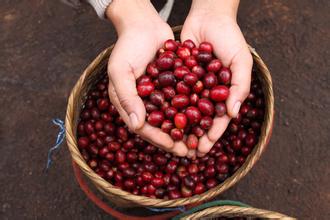
Tanzanian Coffee Beans: Flavor, Origin & Specialty Profile
Discover Tanzanian coffee’s bright acidity, floral aroma, and where to find premium beans like Chagga AA from Kilimanjaro.

What Makes Rwandan Coffee Beans Special?
Rwandan coffee beans, especially washed Arabicas, offer bright acidity and sweet depth—here’s what sets them apart.

Kenya Coffee Beans: Origin, Flavor, and Production Facts
Discover Kenya’s high-altitude coffee origins, SL28 and SL34 varieties, auction system, and what makes its bright acidity unique.

What Makes Ethiopian Coffee Beans Unique?
Learn why Ethiopian coffee stands out—from its wild origins to high-altitude growing and distinct flavor profiles sought by specialty roasters.
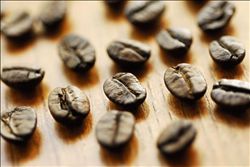
What Makes Colombian Coffee Beans Unique?
Colombia is the world’s second-largest arabica producer, famed for balanced, smooth beans grown across its diverse highland regions.

What Makes Panamanian Coffee Beans Special?
Panamanian coffee is smooth, bright, and complex, with high-altitude farms in Boquete and Volcán Barú producing some of the world’s most distinctive beans.
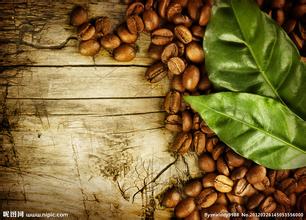
What Makes Jamaica Blue Mountain Coffee Special
Learn why Jamaica Blue Mountain coffee commands high prices, what makes it unique, and how to brew it for best flavor.
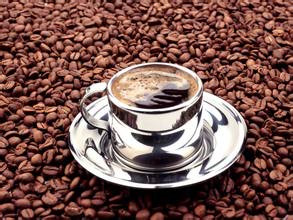
What Makes Honduran Coffee Beans Unique
Honduran coffee is prized for its high acidity and comes in three grades based on altitude. Learn where it originated and how elevation defines quality.

What Makes Guatemalan Coffee Beans Unique?
Discover why Guatemalan coffee stands out, from its high-altitude growing conditions to its rich, spicy flavors and hard bean classification.

What Makes Salvadoran Coffee Beans Unique?
Salvadoran coffee is known for its balanced, mild flavor. This guide covers its origin, key growing regions, grading system, and unique varieties like Pacamara.

What Makes Costa Rican Coffee Beans Special?
Costa Rican coffee is famed for its high-altitude 'Strictly Hard Bean' quality, bright acidity, and complex sweetness—especially from regions like Tarrazú.

What Makes Papua New Guinea Coffee Beans Unique?
Learn why PNG coffee is grown at high altitudes, processed traditionally, and offers bright, fruity flavors with a smooth body.

How to Brew Coffee with a Siphon (Vacuum) Pot
Learn how to use a siphon coffee maker step-by-step, including water levels, grind size, stirring timing, and flame control for clean extraction.
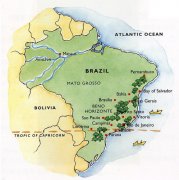
Arabica Makes Up Just 10% of Uganda’s Coffee Output
Arabica beans account for only 10% of Uganda’s total coffee production, yet they come from some of the country’s best highland regions.
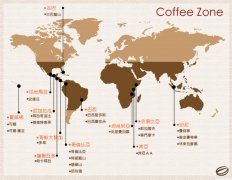
Yemeni Natural Process Coffee: Origins & Flavor Profile
Learn about Yemen’s historic natural-process coffee, its unique flavor, and why it’s considered the origin of global coffee trade.
Yemeni Natural Process Coffee: The Original Mocha Bean
Yemeni natural coffee beans, known as the original 'Mocha' variety, offer bold, fruity flavors with hints of spice and chocolate. Learn their history and unique traits.
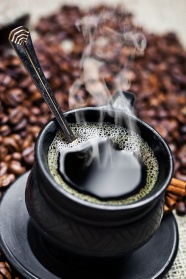
Indonesian Coffee Bean Origins and Flavor Profile
Explore Indonesia’s rich coffee history, key islands, and unique flavor traits including Mandheling and aged 'government' styles.
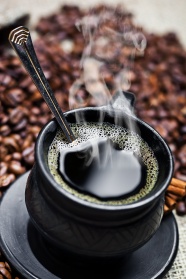
Mocha Coffee Beans: Origin, Shape, and Flavor Profile
Explore the unique origin, appearance, and flavor of Mocha coffee beans, including why they taste faintly of chocolate and where they truly come from.

What Makes Tanzanian Coffee Beans Unique?
Discover the distinct qualities of Tanzanian coffee, from its bright acidity and floral aromas to its unique growing regions like Kilimanjaro.
Australia's Specialty Coffee: What Makes It Unique?
Discover why Australia produces high-quality, smooth-tasting specialty coffee with a unique mild bitterness—rarely exported due to high labor costs.