
Coffee Farm
Latest articles, industry insights and brewing guides
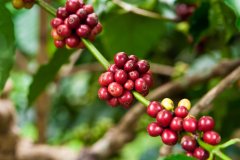
Saint Helena Coffee: Napoleon’s Favorite Island Bean
Learn why Saint Helena coffee is so rare and sought-after, from its 18th-century Yemeni origins to its cultivation on a remote Atlantic island.
Madagascar Plans Major Expansion of Arabica Coffee
Madagascar, known for Robusta, is boosting Arabica plantings. Over 5,000 hectares of Arabica are planned to unlock premium potential.

What Makes Kenyan Coffee Beans Unique and Where They’re Grown
Kenyan coffee is known for its high quality, unique processing, and vibrant acidity. Learn where it’s grown, how it’s produced, and why it stands out globally.
Madagascar Focuses on Robusta, Explores Arabica Potential
Madagascar mainly grows Robusta coffee, producing around 1 million bags annually. But the country plans to expand Arabica cultivation on 5,000 hectares.
What Makes Ethiopian Coffee Beans Unique?
Understand Ethiopia’s coffee diversity—from wild forests to high-altitude plantations—and learn why altitude, variety, and processing define its global reputation.
Madagascar’s Coffee Focus: Mostly Robusta, With Arabica Plans
Madagascar primarily produces Robusta coffee, but efforts are underway to expand Arabica cultivation. Learn how much coffee the island grows and why.

Colombian Coffee Beans: Characteristics and Origins
Explore Colombia’s coffee origins, production regions, and flavor profiles. Learn why it’s one of the world’s top specialty coffee producers.

What Makes Panamanian Coffee Beans Unique?
Panamanian coffee offers smooth, bright, and balanced acidity with distinctive floral and fruity flavors, especially from high-altitude regions near the Baru volcano.
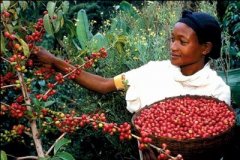
Why Kenyan Coffee Is Famous for Its Bright Acidity and Aroma
Kenyan coffee is prized for its intense fruitiness, balanced acidity, and wine-like complexity. Learn why it’s a favorite among specialty roasters worldwide.

Ivory Coast: World’s Fifth Largest Coffee Producer by Volume
Ivory Coast ranks fifth globally in coffee production, yielding 4.4 million bags yearly—mostly robusta. Here’s how volume shapes its coffee trade.

Nicaraguan Coffee Flavor and Origin Guide
Discover the smooth, aromatic flavors of Nicaraguan coffee, grown mainly in Jinotega and Matagalpa regions, with medium acidity and rich fragrance.
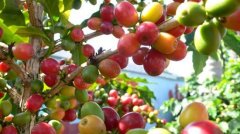
Ethiopia: The Birthplace of Coffee and Major Arabica Exporter
Explore Ethiopia’s diverse coffee cultivation—from wild forests to modern farms—and learn why its high-altitude beans, like Yirgacheffe and Harrar, are globally sought after.

Nicaragua Coffee Beans: Flavor, Origins, and Key Facts
Discover the flavor profile, top regions, and production history of Nicaraguan coffee beans — mild, aromatic, and grown at altitude.

Deep-Roast Coffee Beans Ideal for Espresso from Cameroon
Cameroon’s best coffee comes from Bamileke and Bamoun, suited for dark roasting. Here’s why these beans excel in espresso.
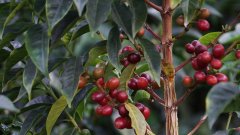
Burundi’s Diverse and Resilient Specialty Coffee Industry
Burundi grows aromatic, high-acid arabica almost exclusively on small farms, many near Rwanda. Discover its unique coffee story and export markets.

Jamaica Blue Mountain Coffee: Flavor, Origin, and Facts
Learn what makes Jamaica Blue Mountain coffee unique—from its strict growing region to its prized balance and scarcity.
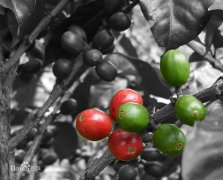
How Suriname Became South America’s First Coffee Grower
Learn why Suriname was South America’s first coffee producer, how it began, and why its output faded—plus Norway’s historic role.

Honduran Coffee Beans: Origins, Profile & Grading Explained
Learn why Honduran coffee is prized for blending, how altitude shapes its flavor, and where its top grades come from.
What Makes Guatemalan Coffee Beans Unique?
Learn why Guatemalan coffee beans, especially SHB, are prized for balanced flavor, high elevation growing, and unique spice notes.
What Makes Salvadoran Coffee Beans Unique?
Salvadoran coffee is known for its balanced, mild flavor and high quality. Learn why it makes up 40% of the country’s exports and what sets it apart.