
Coffee Farm
Latest articles, industry insights and brewing guides
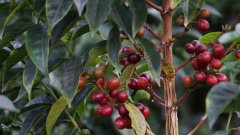
What Is Pacamara Coffee? Salvadoran Specialty Bean Guide
Learn about the unique Pacamara coffee variety from El Salvador, its standout traits, and the Finca Ataisi estate producing high-quality micro-lots.
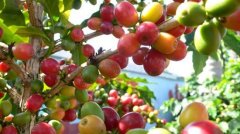
How Salvadoran Coffee Is Grown and Graded
Salvadoran coffee is almost entirely shade-grown by smallholders, harvested by hand from November to March, and graded by altitude.
El Salvador Ataisi Estate Washed Pacamara Beans
Explore the washed Pacamara from El Salvador’s Ataisi Estate, a micro-lot with bright acidity and volcanic terroir influence.
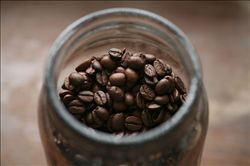
Washed Costa Rican Coffee Beans from Finca Santa Román
Learn how small-scale washed-process Costa Rican coffee, like that from Finca Santa Román, achieves bold chocolatey flavors and bright acidity.

How Much Do Colombian Coffee Beans Cost Per Pound?
Colombian coffee typically costs $8–$15 per pound depending on grade and roast. Premium beans like Supremo or Excelso can reach $20 or more.
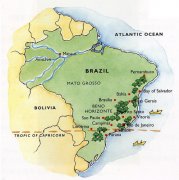
Santa Rita Estate: A Colombian Microlot Collaboration
Discover how nine farms near Santa Rita Estate in Colombia’s Antioquia region produce high-quality washed coffee using traditional methods.
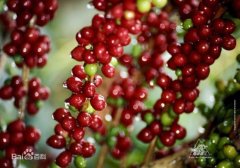
Washed Process Colombian Coffee from the Andes Microregion
Learn how Colombia’s high-altitude Andes microregions produce premium washed coffee beans with balanced, smooth profiles.

What Makes Colombian Coffee Unique in Flavor and Profile
Colombian coffee is known for its balanced acidity, smooth body, and sweet aroma, with key growing regions like Huila and Medellín setting global standards.

Why Costa Rica’s Coffee Stands Out: Seven Key Regions
Discover the seven main coffee-growing regions of Costa Rica and the volcanic soil, climate, and altitude that make its beans so distinct.
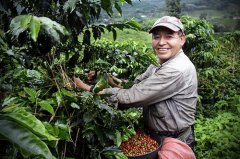
Washed Process Coffee from Costa Rica’s Santa Román Mill
Explore how small-scale washed processing at Costa Rica’s Santa Román mill creates bold, structured coffees with chocolatey depth and wine-like acidity.
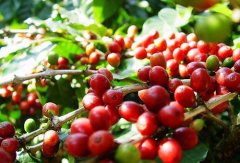
Costa Rica Santa Román Washed SHB Coffee Beans
These Costa Rican SHB beans from Santa Román Washing Station offer bright acidity with berry, caramel, and subtle spice notes.
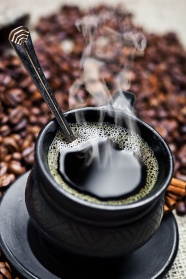
What Makes Panamanian Coffee Beans Unique
Learn why Panamanian coffee stands out, from its rare microclimates to elite small-lot production and distinctive fruit-forward flavors.
What Makes Panamanian Coffee Unique? Flavors, Climate & Price
Panamanian coffee’s unique flavors come from high-altitude microclimates over 6,500 feet in Boquete and Volcán Candela, with volcanic soil and cool airflows.
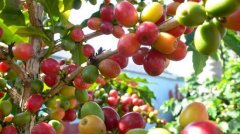
Colombian Coffee Flavors: What Makes Bourbon Unique
Discover why Colombian Bourbon coffee offers balanced flavors with smooth body, especially from high-altitude southern regions like Huila and Nariño.
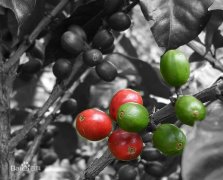
Yellow Bourbon from Huila’s Vera Plateau in Colombia
Explore the distinctive Yellow Bourbon coffee from Colombia’s Huila region, grown at high altitude on the Vera Plateau with bright acidity and sweet balance.
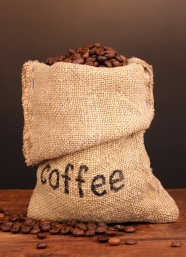
Sidamo Coffee Beans: Flavor, Processing & Brewing Guide
Explore Ethiopian Sidamo’s bright, floral coffee profile, processing methods, and ideal brew techniques for a well-rounded single origin experience.
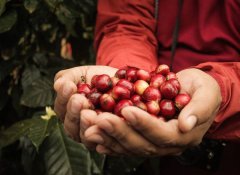
Washed Coffee from Vera Plateau Estate in Colombia’s Nuevo Milenio
Learn how Colombia’s Nuevo Milenio co-op improves washed coffee quality through USAID training, producing beans with bright acidity and clean profiles.
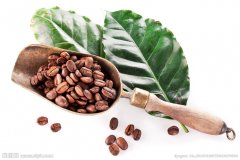
Colombia Washed Vera Plateau Millennial Estate Coffee Beans
These medium-dark roasted washed Colombian beans from Vera Plateau offer balanced body, bright acidity, and nutty-chocolate notes.
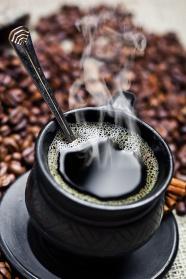
Tanzania Meru Coffee Beans: What to Expect
Tanzania Meru and Kilimanjaro coffees offer bright, medium-bodied profiles with mild acidity. Southern Tanzanian beans are smoother with softer acidity.
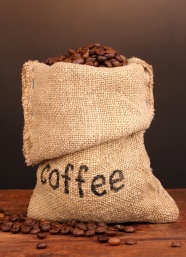
Tanzanian Coffee Beans: Flavor, Origin & Roast Guide
Explore Tanzanian coffee’s unique flavors, key growing regions like Kilimanjaro, and why medium roast brings out its best qualities.