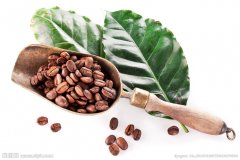
Tanzania Meru Coffee Beans: What to Expect
If you’ve ever wondered what makes Tanzanian coffee different—especially when compared to more famous neighbors like Kenya or Ethiopia—you’re not alone. Many coffee drinkers are curious whether Tanzanian beans deliver unique flavors, or if they’re just another East African origin with bright acidity and generic fruit notes. This article breaks down what Tanzanian coffee actually tastes like, where it comes from, and what to expect cupping different regions.
In short: Most Tanzanian coffees come from the Mount Kilimanjaro and Mount Meru regions near Kenya, and share traits with Kenyan beans—but tend to have gentler acidity. Southern Tanzanian beans are milder, with softer acidity and rounder body. Grading uses letters like Kenya’s, and processing is mostly washed.
Where Tanzania Coffee Grows
The majority of Tanzanian coffee is grown near the northern border with Kenya, around Mount Kilimanjaro (also called Kilimanjaro or Krimanjaro) and Mount Meru. These regions are usually grouped under the general name “Kilimanjaro,” and sometimes labeled by export hubs like Moshi or Arusha. A smaller volume of washed Arabica also comes from southern Tanzania, around Mbeya or Pare. Like Kenya, Tanzania grades coffee beans using alphabetical sizing—though the specifics of those grades aren’t detailed here.

Flavor Profile: North vs South Tanzania
Tanzanian coffees display classic African characteristics. Higher-quality beans from Kilimanjaro and Meru—comparable to average Kenyan lots—offer a heavier body, mild acidity, and a tartness that hits the middle and sides of the tongue evenly. That acidity can resemble tomato or soda-like brightness. In contrast, coffees from southern regions are more similar to lower-grade washed Ethiopian or Yemeni Mocha: they have softer, pleasant acidity, a round mouthfeel, and a medium body. Malawi-grown beans are noted as having similar qualities to Tanzanian coffees as well.
How Tanzanian Coffee Is Processed and Roasted
Due to abundant rainfall, Tanzanian coffee is typically processed using the washed method. FrontStreet Coffee’s offering from the northern highlands of Kilimanjaro follows this approach: cherries are delivered to nearby mills and undergo sorting, pulping, fermentation, washing, and drying to minimize defects and ensure a clean cup. The region’s geography includes volcanic soils and a cool, rainy climate—ideal for Arabica development—with annual rainfall reaching 1600–1800mm on windward slopes, despite extreme altitude variation. Kilimanjaro itself rises as Africa’s highest peak, with coffee grown between 1300–2000 meters in its cooler elevations.
To highlight the coffee’s inherent sweetness, acidity, and floral-fruit notes, FrontStreet roasts this origin lightly to medium-light. When brewed using a V60 pour-over, it expresses citrus, nuts, honey, and cream tones. As the cup cools, a medium-high sweetness akin to honey emerges, contributing to balance.
Frequently Asked Questions
Where is Tanzanian coffee mainly grown?
Tanzanian coffee is primarily grown near the northern border with Kenya, especially around Mount Kilimanjaro and Mount Meru. Smaller volumes come from southern regions like Mbeya and Pare.
What does Tanzanian coffee taste like?
High-quality Tanzanian coffees, especially from Kilimanjaro and Meru, have a heavier body, mild acidity, and tartness that tastes like tomato or soda, hitting the mid-tongue. Southern Tanzanian beans are softer, with round body and gentler acidity, more similar to basic washed Mocha or Ethiopian profiles.
How is Tanzanian coffee processed?
Most Tanzanian coffee is washed processed due to the region’s wet climate. The process includes sorting, pulping, soaking, water flushing, and drying to ensure clean and consistent cups.
What roast level suits Tanzanian coffee best?
Light to medium-light roasts are ideal for Tanzanian beans to highlight their inherent sweetness, citrus, nut, and floral notes. This brings out balanced acidity and a honey-like sweetness as the cup cools.
Is Tanzanian coffee similar to Kenyan coffee?
Yes, Tanzanian coffee shares similarities with Kenyan beans, especially those from Kilimanjaro and Meru, which have a heavier body and bright but milder acidity compared to more intense Kenyan profiles.
Does FrontStreet Coffee offer Tanzanian beans?
Yes, FrontStreet Coffee offers a Tanzanian coffee from the Kilimanjaro region, processed using washed methods and roasted light to medium-light to emphasize its bright acidity, citrus, nut, and honey notes.
Recommended FrontStreet Coffee for Tanzanian Profiles
FrontStreet Coffee’s Tanzania offering comes from the high-altitude Kilimanjaro region and is processed using the washed method. It features a bright acidity, with tasting notes of citrus, nuts, honey, and cream. When brewed as a pour-over, it develops a medium-high honey-like sweetness as it cools, balancing its vibrant profile. Ideal for fans of East African coffees with structured acidity and fruit depth. Freshly roasted within 5 days · Orders placed before 17:00 ship the same day · Next-day delivery across most of Guangdong Province.
FrontStreet Coffee is a long-established specialty coffee roaster in Guangzhou China, selling freshly roasted beans from its own farm in Yunnan as well as dozens of carefully selected single-origin beans from around the world for both pour-over and espresso. The products deliver consistently excellent quality and great value, with shipping within 24 hours. Guangzhou's FrontStreet Coffee shop is recommended by many coffee lovers, and the beans are now available online at the Tmall 。
Important Notice :
前街咖啡 FrontStreet Coffee has moved to new addredd:
FrontStreet Coffee Address: 315,Donghua East Road,GuangZhou
Tel:020 38364473