Colombian Coffee Flavors: What Makes Bourbon Unique
If you’ve ever sipped a ‘balanced’ cup of coffee—something smooth, not too sharp, not too wild—you may have had a Colombian. But what exactly gives Colombian coffee that polished, almost gentlemanly profile? And why does it vary so much depending on the region and variety?
The short answer: Colombian coffee is known for its balanced acidity, medium body, and smooth mouthfeel—with regional differences. Southern high-altitude farms (above 1,500 masl) often produce brighter, fruitier profiles with red berry, caramel, and sweet notes. Varieties like Bourbon add their own twist, bringing moderate acidity and deeper sweetness when grown at elevation.
What Defines Colombian Coffee Flavor?
Colombian coffee is widely regarded for its well-rounded flavor. Most beans exhibit a balanced acidity paired with a smooth, medium-bodied mouthfeel. This has earned Colombian coffees a reputation as the 'gentlemen' of the coffee world—dependable, classic, and rarely extreme. The country’s coffee regions are extensive, but the most famous traditional areas include Medellín, Armenia, and Manizales, collectively known as MAM. These regions historically supplied large commercial volumes with consistent, approachable profiles.
However, the modern specialty coffee scene increasingly highlights Colombia’s southern departments. Areas such as Huila (especially San Augustín), Cauca (including Popayán), Nariño, and Tolima produce coffees grown at elevations over 1,500 meters. These beans typically express more complex attributes: crisp citrus or red berry acidity, notes of tropical fruit or berries, underlying caramel or chocolate sweetness, and a clean, sweet finish. These are the profiles that excite specialty roasters and drinkers seeking nuance.
Why Elevation Matters for Colombian Coffee
Altitude plays a crucial role in shaping the flavor of Colombian coffee. At higher elevations (generally above 1,500 masl), coffee plants grow more slowly due to cooler temperatures. This slower maturation allows for greater sugar development in the cherry, leading to more complex and vibrant flavors in the cup. The southern Colombian regions benefit from this effect, as their mountainous terrain supports high-altitude farming. The combination of cool climate, rich volcanic soils, and precise processing methods contributes to the bright acidity and layered sweetness found in these coffees.
These environmental conditions are particularly favorable for certain coffee varieties—including Bourbon.
What Is the Bourbon Coffee Variety?
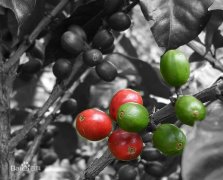
Bourbon is one of the oldest and most respected Arabica varieties, originating from the island of Bourbon (now Réunion) in the Indian Ocean. It emerged as a natural mutation of Typica and shares its ancient lineage. Bourbon plants typically produce slightly more fruit than Typica—about 30% higher yield—but the cherries ripen to a bright red color. Over time, further genetic mutations led to variations like Yellow Bourbon, which ripens to yellow rather than red.
Bourbon is known for its medium acidity and rounder, often sweeter cup profile. While it is vulnerable to disease and has lower productivity compared to modern hybrid varieties, it thrives when cultivated at higher altitudes. In those conditions, it can develop pronounced sweetness, delicate floral or fruity tones, and a clean, balanced body. Though it fell out of favor during the mid-20th century in favor of higher-yield varieties, Bourbon has seen a resurgence among specialty growers aiming for quality over quantity.
In Colombia, Bourbon is appreciated both for its historical roots and its cup potential—especially in well-managed high-elevation farms.
Regional Taste Profiles Across Colombia
Different regions across Colombia bring out distinct characteristics even within the same variety:
- Southern Highlands (Huila, Cauca, Nariño, Tolima): Altitudes above 1,500 masl yield bright acidity, red or blueberry notes, caramel or chocolate undertones, and a sweet, clean finish. These are often considered the most 'specialty' profiles in the country.
- Central Traditional Regions (Medellín, Armenia, Manizales – the MAM group): These areas produce more balanced, medium-bodied coffees with softer acidity and a rounded, approachable flavor. They exemplify the classic 'gentlemanly' Colombian taste.
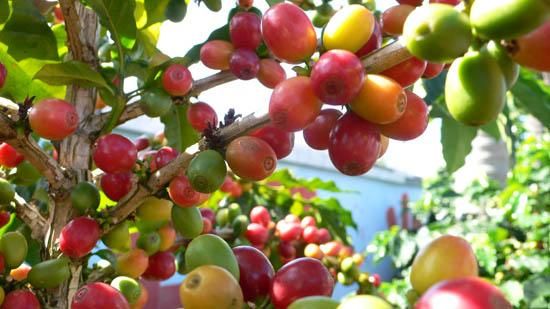
Within these regions, the choice of coffee variety—such as Bourbon, Caturra, or newer hybrids—further shapes the sensory experience.
Frequently Asked Questions
What makes Colombian coffee taste so balanced?
Colombian coffee’s balance comes from a mix of factors: medium acidity, medium body, and a smooth mouthfeel. These traits are commonly found across many regions, especially in traditional areas like Medellín, Armenia, and Manizales. The country’s diverse microclimates and careful cultivation also contribute to consistent, approachable flavor profiles.
Why are high-altitude Colombian coffees fruitier?
Coffee grown at higher altitudes (above 1,500 meters) matures more slowly due to cooler temperatures. This extended growing period allows cherries to develop more sugars and complex acids, resulting in brighter fruit notes, deeper sweetness, and more nuanced flavors compared to lower-altitude coffees.
What is special about Bourbon coffee variety?
Bourbon is an old Arabica variety that originated from a Typica mutation on Réunion Island. It tends to produce a cup with moderate acidity, good sweetness, and a rounded body. When grown at high elevations, it can express floral, fruity, and caramel-like qualities, making it valued in specialty coffee.
Which Colombian regions produce the most flavorful specialty coffee?
The southern regions of Huila, Cauca, Nariño, and Tolima are known for producing Colombia’s most complex and vibrant specialty coffees. Grown above 1,500 masl, these beans often feature red berry, caramel, and chocolate notes with a sweet, clean finish.
Is Yellow Bourbon different from regular Bourbon?
Yes. Yellow Bourbon is a mutation of the original Bourbon variety, distinguished by its yellow-colored ripe cherries instead of red. It often has a milder acidity and a cleaner, brighter cup profile, and is valued for its balanced sweetness and clarity.
Does the MAM region still produce good coffee?
Yes. The MAM region (Medellín, Armenia, Manizales) is historically significant and still produces solid, balanced coffees with a classic Colombian profile. While not as fruit-forward as southern highland coffees, MAM beans are known for their smooth, approachable taste.
Recommended FrontStreet Bourbon Coffees
For a taste of Bourbon’s signature sweetness and balance, try FrontStreet Brazil Queen Manor—a medium-dark roasted Yellow Bourbon from 1400m elevation, offering creamy peanut butter, chocolate, and a sugary finish. For red fruit lovers, FrontStreet BrazilBourbon delivers bright acidity with notes of berries and chocolate in a medium roast. Both beans showcase Bourbon’s versatility and are freshly roasted within 5 days · Orders placed before 17:00 ship the same day · Next-day delivery across most of Guangdong Province.
FrontStreet Coffee is a long-established specialty coffee roaster in Guangzhou China, selling freshly roasted beans from its own farm in Yunnan as well as dozens of carefully selected single-origin beans from around the world for both pour-over and espresso. The products deliver consistently excellent quality and great value, with shipping within 24 hours. Guangzhou's FrontStreet Coffee shop is recommended by many coffee lovers, and the beans are now available online at the Tmall 。
Important Notice :
前街咖啡 FrontStreet Coffee has moved to new addredd:
FrontStreet Coffee Address: 315,Donghua East Road,GuangZhou
Tel:020 38364473