
Coffee Farm
Latest articles, industry insights and brewing guides

Costa Rican Coffee Beans: Flavor and Profile Guide
Explore the distinct flavors of Costa Rican coffee, especially from Tarrazú, known for bright acidity, balanced sweetness, and smooth body.
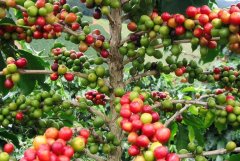
Venezuelan Coffee: Distinctive Single Origins from an Oil-Rich Nation
Venezuela’s specialty coffee scene is returning, with Typica and Bourbon varieties grown in high-altitude regions like Táchira and Mérida.

What Makes Papua New Guinea Coffee Beans Unique?
Papua New Guinea grows high-altitude, mostly Typica coffee on small farms. Learn why its A and AB grades offer bright, fruity profiles.
What Makes Indonesian Coffee Beans Unique?
Explore Indonesia’s diverse coffee regions, flavors, and processing methods — from Mandheling to aged ‘government’ lots.
Galápagos Coffee: Rare Beans from Giant Tortoise Territory
Discover why Galápagos-grown Bourbon coffee boasts exceptional quality, thanks to unique volcanic soil, cool microclimates, and strict organic farming.
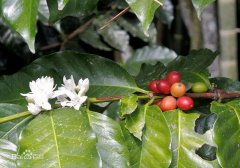
Peru Coffee: Balanced, Versatile, and Ideal for Blends
Peru produces balanced, high-quality coffee ideal for blends. 98% grows in forest regions, mostly by smallholders. Learn why it’s so stable and where the best comes from.
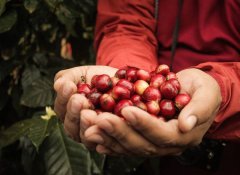
Colombia: The World’s Second-Largest Specialty Coffee Producer
Colombia produces 13 million 60kg bags of high-quality washed Arabica annually, with unique microclimates enabling year-round harvests.
Colombia: The World’s Second-Largest Producer of Premium Coffee
Colombia produces 13 million 60kg bags of high-quality washed Arabica annually, renowned for balanced flavor and year-round harvests.
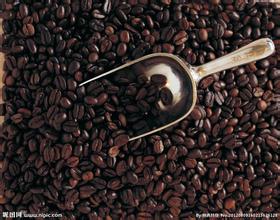
What Makes Mocha Coffee Beans Unique in Flavor and Shape
Mocha coffee beans are smaller and rounder than most, often compared to peaberries. They offer high acidity, spice, and hints of chocolate—here’s why.

Ecuador’s High-Altitude Arabica Coffee: The World’s Highest?
Ecuador may grow Arabica coffee at the highest elevations globally, with peak harvests in early June yielding balanced, aromatic beans.
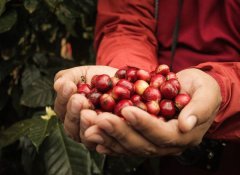
Low-Acidity Medium-Roast Brazilian Coffee Beans Explained
Brazil produces diverse coffees, most low-acid and medium-roasted. Discover the key regions, processing methods, and flavor profiles behind its global influence.
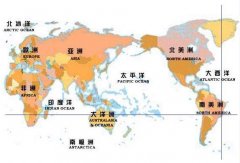
High-Altitude Bolivian Specialty Coffee Beans
Bolivian coffee grew at 180–670m elevation, with washed Arabica beans exported in the 1950s. Learn how altitude shaped early Bolivian coffee production.
What Makes Tanzanian Coffee Beans Unique?
Tanzanian coffee beans, especially from Kilimanjaro, offer bright acidity, floral notes, and sweet complexity. Learn about their origin and flavor profile.

What Makes Rwandan Coffee Beans Unique
Rwandan coffee beans, typically washed Arabica, offer bright acidity and clean flavors shaped by high altitudes and volcanic soil.

What Makes Madagascar Coffee Unique?
Madagascar mostly grows Robusta, but efforts are underway to expand high-quality Arabica. Learn its key traits and production plans.
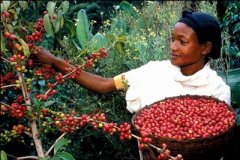
Puerto Rican Coffee Beans: History and Quality
Explore Puerto Rican coffee, once a global export leader. Learn about its revival, premium beans like Yauco Selecto, and unique farming practices.
Guatemalan Coffee Bean Origins and Specialty Varieties
Explore the top coffee-growing regions in Guatemala and learn which specialty coffee beans come from Antigua, Huehuetenango, and beyond.
High-Altitude Panamanian Coffee: Premium but Limited
Panama’s highland-grown coffee is smooth, light-bodied, and well-balanced. Most top lots head to France and Finland. Find out where the best comes from.

Top Nicaraguan Coffee Beans: Mild, Balanced, and Aromatic
Nicaragua’s best coffee comes from Jinotega and Nuevo Segovia, offering mild flavors, medium body, and high aroma. Learn why it ranks among the world’s finest.
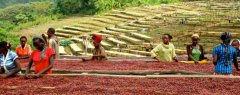
Mexico’s Smooth, Aromatic Specialty Coffee Explained
Mexico ranks fourth globally in coffee production, yielding smooth, aromatic beans mostly from smallholder farms. Discover the regions and varieties behind its specialty reputation.