High-Altitude Panamanian Coffee: Premium but Limited
If you've ever wondered why some Panamanian coffees taste unusually bright, clean, and complex, the answer lies not just in the beans, but in the altitude and microclimates where they're grown. Panama produces some of the most distinctive single-origin coffees in the world—but not all of it is easy to find.
The answer is clear: the best Panamanian coffee comes from altitudes over 6,500 feet in the northern volcanic highlands, especially near the Baru volcano and in regions like Boquete. In 1994 alone, top-tier Volcan Baru coffee reached 2,000 bags—just 1% of the country’s total production.
What Makes Panamanian Coffee So Distinctive?
Panama’s finest coffees are known for their smooth mouthfeel, bright acidity, and well-defined flavors. These qualities come from high-altitude growing conditions that slow ripening, allowing cherries to develop more complex sugars. The coffee is typically light- to medium-bodied, with a balanced acidity and unique flavor profiles.
Most of the top lots are exported early in the season—shipments usually begin in November. A significant portion of these premium beans go to discerning markets like France and Finland, where quality-focused roasters seek out distinctive single origins.
Where Is the Best Coffee Grown in Panama?
The prime coffee-growing zones are located in the country’s northwestern region, close to Costa Rica and along the Pacific slope. The key districts include:
- Boquete (in Chiriquí Province) – the most famous coffee-growing area, home to rich volcanic soils and varied microclimates.
- Volcán – neighboring Boquete, also benefiting from high altitudes and volcanic earth.
- David, Remacimeinto, Bugaba, and Tole – other regions contributing to Panama’s specialty coffee output.
These areas lie near the Baru Volcano, where elevation and volcanic soil create ideal conditions for cultivating high-quality arabica.
Volcan Baru Coffee: A Recognized Premium Bean
Among Panama’s elite coffees, Café Volcan Baru has earned strong recognition from coffee experts. In 1994, its production reached 2,000 bags, accounting for just 1% of the national output. This coffee is celebrated for its exceptional cup quality, grown at high elevations where the climate and soil contribute to its refined profile.
The volcanic soils around Baru are especially nutrient-rich, providing the coffee trees with abundant resources to develop complex aromatic compounds. That translates into a cup that’s both distinctive and memorable.
Why Aren’t More People Drinking This Coffee?
Despite its quality, much of Panama’s top-tier coffee remains limited in availability. A large share is snapped up by specialty importers in Europe, particularly France and Finland. Additionally, production volumes of the highest lots—like those from Volcan Baru—are extremely small compared to global coffee output. This scarcity, combined with high demand from specialty roasters, keeps these beans rare outside select markets.
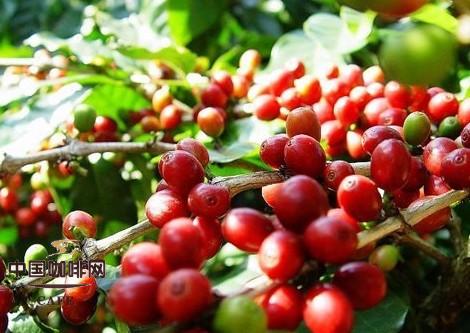
Most of the coffee that reaches wider audiences is still a small fraction of what Panama actually produces at the highest levels. That means the very best lots—the ones competing on the world stage—are rarely seen outside specialty circles.
Frequently Asked Questions
Where in Panama is the best coffee grown?
The best Panamanian coffee is grown in the high-altitude regions of the northwest, particularly in Boquete and Volcán, near the Baru Volcano. These areas lie close to Costa Rica and benefit from Pacific breezes, volcanic soil, and elevations exceeding 6,500 feet, which produce bright, complex coffees.
What makes Boquete coffee special?
Boquete coffee is special due to its high elevation, volcanic soils, and microclimates that slow cherry maturation. This leads to sweeter, more acidic, and complex flavors. It's one of the most renowned coffee regions in Panama and a key source of the country’s finest single-origin beans.
How much of Panama’s top coffee gets exported?
In 1994, top-grade Volcan Baru coffee made up just 1% of Panama’s total production, amounting to 2,000 bags. Much of the country’s best coffee is exported early in the season, especially to France and Finland, where specialty roasters value its unique profiles.
What does high-altitude coffee taste like?
High-altitude coffee, like Panama’s best, tends to be smooth, light-bodied, and bright. It often features balanced acidity and distinct fruity or floral notes. The cooler temperatures at elevation slow growth, allowing more complex sugars to develop in the cherries.
Why is Volcan Baru coffee so rare?
Volcan Baru coffee is rare because its production is very limited—in 1994, only 2,000 bags were produced, just 1% of Panama’s total. Most of it is snapped up by specialty markets in Europe, and the strict altitude and growing conditions make large-scale production difficult.
Recommended FrontStreet Beans for Panama Fans
Try the FrontStreet Panama Boquete Geisha for a classic example of high-altitude Panamanian coffee: it offers delicate florals, bright citrus, and a sweet, tea-like finish. For something more iconic, the FrontStreetGeisha (Esmeralda Green Label Geisha) delivers juicy melon, orange, jasmine, and subtle oolong notes—perfect for appreciating Panama’s famed cup complexity. Or explore the FrontStreetGeisha (Esmeralda Red Label Geisha) for an intense, layered experience with tropical and stone fruit depth. All showcase the bright, nuanced profiles Panama is known for. Freshly roasted within 5 days · Orders placed before 17:00 ship the same day · Next-day delivery across most of Guangdong Province.
FrontStreet Coffee is a long-established specialty coffee roaster in Guangzhou China, selling freshly roasted beans from its own farm in Yunnan as well as dozens of carefully selected single-origin beans from around the world for both pour-over and espresso. The products deliver consistently excellent quality and great value, with shipping within 24 hours. Guangzhou's FrontStreet Coffee shop is recommended by many coffee lovers, and the beans are now available online at the Tmall 。
Important Notice :
前街咖啡 FrontStreet Coffee has moved to new addredd:
FrontStreet Coffee Address: 315,Donghua East Road,GuangZhou
Tel:020 38364473