
Coffee Farm
Latest articles, industry insights and brewing guides

The Origins and Brewing of Salvadoran Specialty Coffee
Learn about El Salvador’s balanced specialty coffee, its production history, key regions, and how it’s grown and brewed today.
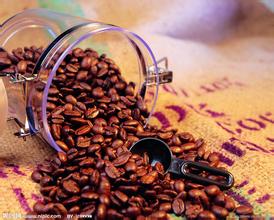
What Makes Salvadoran Coffee Unique? Flavor & Profile Guide
Discover the smooth, balanced flavor of El Salvador coffee, its key growing regions, and how political history shaped today’s high-quality exports.
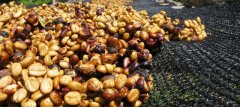
What Is Honey Process Coffee? A Complete Guide
Honey process coffee sits between washed and natural methods. It boosts sweetness and body while keeping clarity. Learn how it’s done and why it matters.
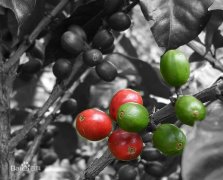
What Makes Ethiopian Coffee So Special?
Explore Ethiopia’s unique coffee varieties, from Yirgacheffe’s floral brightness to Harar’s deep spice — with key profiles and annual outputs.
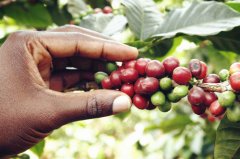
Ethiopia Coffee Exports: Facts and Market Share
Ethiopia is the world’s eighth-largest coffee exporter, supplying 3% of global trade. Discover export volumes, prices, and historical trends.
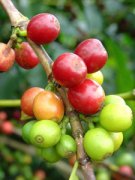
Ethiopian Coffee: Origins, Processing & Grading Explained
Discover how Ethiopia grows 25% of the world’s best Arabica, from forest-grown beans to washed and natural processing methods.

Costa Rica’s Central Valley Coffee: What Makes Tarrazú Special
Discover why Costa Rica’s Tarrazú region produces some of the world’s most balanced high-altitude coffee, with bright acidity and bold floral aromas.

Costa Rica Coffee Varieties: Caturra and Catuai Explained
Learn why Caturra and Catuai are key Costa Rican coffee varieties, grown in high-altitude regions like Tarrazú for bright acidity and bold aromatics.

Costa Rica’s Fuego Phoenix Estate in Tarrazú Region
Explore the bold, high-acid beans of Costa Rica’s Fuego Phoenix Estate in Tarrazú, known for rich aroma and dense coffee cherries.

How Red Honey Processing Defines Costa Rican Coffee
Discover how red honey processing enhances Costa Rican coffee with bold acidity, intense aroma, and sweet complexity.

Costa Rican Coffee from Tarrazú: Sweet, Fruity, and Honeyed
Explore the bold, fruity, and honey-like flavors of Costa Rican Tarrazú coffee, known for its dense beans, balanced acidity, and velvety mouthfeel.
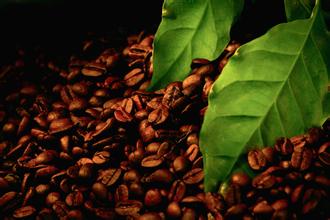
Costa Rica Tarrazú Coffee: Flavor, Altitude & Processing
Explore Costa Rica’s Tarrazú region, known for high-altitude beans with bright acidity, clean flavors, and dense sweetness. Learn why it’s a top coffee origin.

Costa Rica Tarrazu Coffee: Flavor, Farms & Processing
Explore Costa Rica’s Tarrazu region, home to high-altitude coffee with bright acidity, rich aroma, and unique honey processing methods.
Origin and Processing of Costa Rican Specialty Coffee
Learn where Costa Rica’s high-altitude coffee comes from and how it’s processed, especially from regions like Tarrazú with unique honey methods.

The Origins and Processing of Costa Rican Specialty Coffee
Explore the high-altitude origins, unique soil, and honey-processing methods behind Costa Rica’s renowned specialty coffee beans.

What Makes Costa Rican Coffee Special?
Discover what gives Costa Rican coffee its bright acidity, full body, and bold aromas, especially from high-altitude regions like Tarrazú.

Papua New Guinea’s Waghi Valley Coffee Region Explained
Discover the high-altitude, small-farm origins of Papua New Guinea coffee, its unique growing challenges, and how quality rebounded after the 1990s decline.
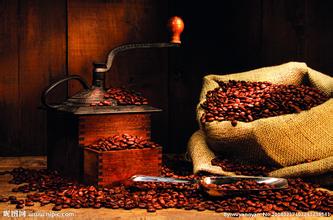
Papua New Guinea Coffee Farms & Kimmel Estate Origins
Learn how Papua New Guinea produces distinctive specialty coffee from high-altitude farms, many tiny and remote, with a complex history and unique flavor profile.

Papua New Guinea Coffee: Nutty, Caramel, Low-Acid Profile
Learn why Papua New Guinea coffee offers a balanced, nutty cup with mild acidity and a full body — grown mostly on small farms at high altitudes.

How Papua New Guinea Coffee Is Wash-Processed
Learn how PNG coffee is grown and washed-processed at high altitudes, yielding bright, fruity single origins with unique island character.