
Coffee Farm
Latest articles, industry insights and brewing guides

What Makes Indonesian Coffee Taste Like Ripe Peach, Pineapple, and Molasses?
Explore Indonesia’s diverse coffee regions—Java, Sumatra, Sulawesi, and Flores—known for their low-acid, syrupy, fruity profiles with tasting notes of ripe peach, pineapple, and black sugar.

How Indonesia Uses Natural Process for Specialty Coffee
Explore Indonesia’s rare natural-process coffee method, known for bold aroma and balanced acidity—just like top Kenyan lots.
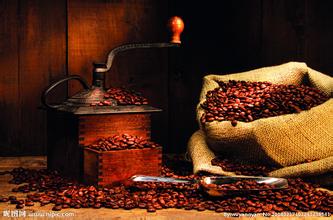
Indonesian Coffee Regions and Their Unique Flavors
Explore Indonesia’s key coffee-growing islands, their distinct profiles, and what makes its beans stand out globally.
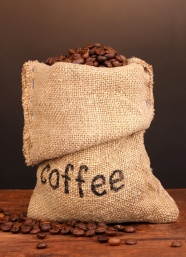
Indonesian Coffee Origins and Brewing Methods Explained
Discover the origins, processing methods, and flavor profiles of Indonesian coffee, from Java to Sumatra, and how it’s brewed best.
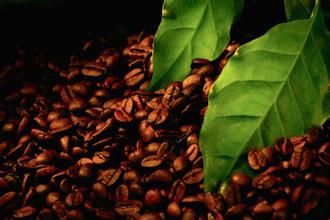
What Makes Indonesian Coffee Unique? Flavor, Regions & History
Explore the unique flavors of Indonesian coffee, from Mandheling’s bold body to Java’s balanced brews. Learn which regions produce the best beans.

Kenya’s Nyeri Highlands: A Rare Coffee Gem
Explore Kenya’s famed Nyeri highlands, where rare coffees boast bold aromas, balanced acidity, and complex fruit flavors.
Kenya Coffee Flavor Profile: Blackcurrant, Floral & Cranberry
Kenya coffee offers vibrant floral notes, balanced acidity, and fruity depth—here’s why it’s among the world’s most admired single origins.

Kenya K72 Washed Process: What Makes It Unique
Discover how Kenya’s 72-hour triple-fermentation washed process creates complex, juicy acidity. Learn the steps behind the iconic K72 method and why it defines top-tier Kenyan AA coffee.

What Makes Kenyan Coffee So Special?
Kenyan coffee is prized for its bright acidity, rich fruitiness, and complex aromas. Grown at high altitudes with careful processing, it’s a favorite among specialty roasters.
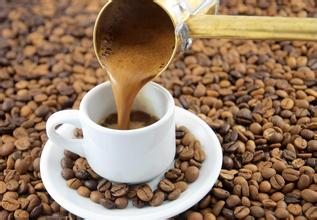
Kenya Coffee Origins and Processing Methods Explained
Discover why Kenya grows some of the world’s most aromatic, high-acid specialty coffees—with details on origin, varieties, processing, and auction systems.

What Makes Kenyan Coffee So Special?
Kenyan coffee stands out for its vibrant acidity, rich fruitiness, and complex aroma. Learn why it’s a favorite among specialty roasters.

Ethiopia’s Guji Shakisso: A Coffee Origin Story
Explore Ethiopia’s Guji Shakisso zone, part of the renowned Gedeo Zone, where wild coffee trees yield complex, wine-like beans with bright acidity.
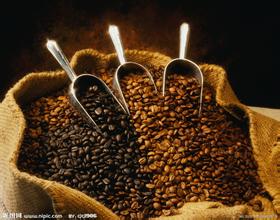
High-Raised Bed Natural Process for Ethiopian Coffee
Learn how Ethiopian coffee producers use raised-bed sun drying to enhance fruitiness and clarity in specialty-grade beans, especially in regions like Yirgacheffe.
Ethiopian Coffee Flavors: Lemon, Mango, Blueberry, Wine Notes
Discover why Ethiopian coffee offers bright citrus, berry, and wine-like flavors — and which regions produce these distinctive profiles.

Ethiopia’s Coffee Origins: Regions, Varieties & Flavors
Explore Ethiopia’s key coffee-growing regions, native varieties, and how altitude shapes its unique cup profiles — from Yirgacheffe to Harrar.

Where Ethiopian Coffee Comes From and How It’s Made
Discover Ethiopia’s role as the birthplace of coffee, its wild-growing trees, major growing regions, and traditional brewing customs still alive today.

Where Ethiopian Coffee Comes From and How It’s Made
Discover Ethiopia’s role as the birthplace of coffee, its wild-growing varieties, key regions like Yirgacheffe and Sidamo, and why light roasting preserves its unique flavors.

What Makes Ethiopian Coffee Unique? Specialty Profile Guide
Explore Ethiopia’s unmatched coffee diversity—from Yirgacheffe’s citrus notes to Harrar’s wild berry funk—and why it remains a benchmark for specialty roasters.

Colombian Specialty Coffee: Floral, Apple, and Caramel Notes
Discover why Colombian coffee offers floral, apple, and nutty flavors, and learn which regions produce its best washed Arabica beans.

Colombia Coffee Honey Processing: What You Need to Know
Learn how Colombia produces some of the world’s best honey-processed coffee, with high altitudes, careful farming, and over 13 million 60kg bags annually.