
Coffee Farm
Latest articles, industry insights and brewing guides

Ethiopia’s Major Coffee Growing Regions Explained
Explore Ethiopia’s key coffee regions—Harar, Djimmah, Sidamo—and discover why Yirgacheffe stands apart as a globally prized washed coffee origin.

What Gives Kenyan Coffee Its Distinctive Flavor?
Kenyan coffee’s rich fruitiness, high acidity, and wine-like complexity come from unique varieties, processing, and altitude. Here’s how it all works.
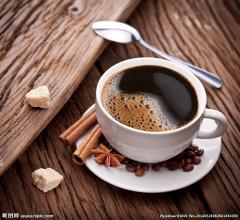
Kenyan Coffee Beans: Flavors and Characteristics Explained
Kenyan coffee beans offer bright acidity, bold fruit flavors like blackberry, and winey complexity. Here's what makes them stand out.

The History of Mocha Coffee: From Port to Flavor Profile
Learn how Yemen’s historic Mocha port gave its name to a distinctive coffee style, and why 'mocha' now means both a bean and a drink.
The Rise of Brazilian Cerrado Coffee Beans
Learn how Brazil’s Cerrado region became a leading global coffee origin through innovation, altitude, and soil. Discover what makes its beans special.

What Is Organic Coffee and How Is It Different?
Learn what makes organic coffee different from conventional coffee, including farming methods, regulations, and global standards for certification.

How Coffee Affects Women’s Health: Benefits and Risks
Coffee can raise blood pressure and impact bone health in women, especially with high intake or low calcium diets. Learn safe amounts and who should limit it.

How Coffee Lowers Liver Cancer and Cirrhosis Risk
Drinking 1–2 cups of coffee daily may reduce liver cirrhosis risk by up to 80% and liver cancer risk by 40%, studies show.

Is Drinking Coffee on an Empty Stomach in the Morning Bad?
Drinking coffee first thing in the morning can cause nausea and stomach issues, especially on an empty stomach. Here’s what to do instead.

When Is the Best Time to Drink Coffee?
Four cups (800–1000cc) per day is the safe limit. Avoid drinking coffee on an empty stomach or late in the evening to prevent sleep issues.
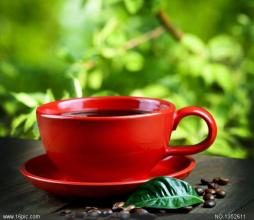
Is Drinking Coffee on an Empty Stomach Bad for You?
Drinking coffee on an empty stomach is generally safe for most people, but it can worsen acid reflux or upset sensitive stomachs.
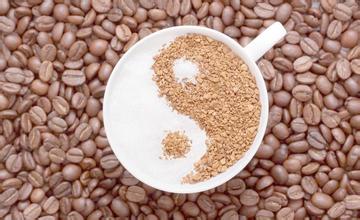
Proper Coffee Etiquette: 7 Key Rules You Should Know
Learn how to hold your cup correctly, stir sugar gently, and avoid common coffee drinking mistakes with these 7 essential etiquette tips.

What Are the Side Effects of Drinking Coffee Regularly?
Regular coffee drinking can cause nervousness, worsen high blood pressure, and may affect bone health—here’s what science says.
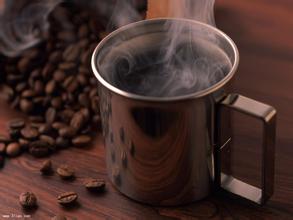
How Many Cups of Coffee Per Day Are Healthy?
Daily coffee intake can protect your liver—but overdo it and you may raise heart risk. Here’s the science-backed sweet spot.

Ecuador Coffee: Flavor, Varieties & Where It’s Grown
Explore Ecuador’s key coffee regions, the Galápagos and Gigante varieties, and why 6 harvests are prized. Learn ideal roast levels and brewing tips.

What Does Honduran Coffee Taste Like?
Honduran coffee offers rich, balanced flavors with fruity and nutty notes. Best enjoyed medium-roasted, it suits both single-origin and blends.

What Does Papua New Guinea Coffee Taste Like?
Papua New Guinea coffee offers medium acidity, full body, and fruity sweetness—traits shaped by high-altitude volcanic soils and traditional washed processing.

Best Home Coffee Brewing Methods and Tools
Discover the ideal water temperature, grind size, and brewing tools for making great coffee at home, including filter and drip methods.
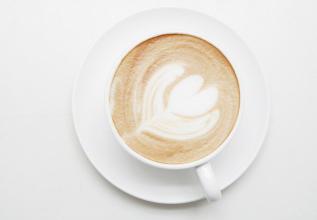
World’s Most Expensive Coffee Beans: Kopi Luwak and Popular Brands
Kopi Luwak is the world’s most expensive coffee at $300–400 per pound. Learn why it costs so much, and which commercial coffee brands cafes actually use.

How Long Do Coffee Beans Last After Roasting?
Unopened coffee beans last 1–2 years stored properly; opened beans should be used within 3–5 days. Learn how to store them to preserve flavor.