
Coffee Farm
Latest articles, industry insights and brewing guides

How to Store Coffee Beans to Keep Them Fresh
Learn the best way to store coffee beans at home to preserve freshness and flavor. Key tips include portioning, avoiding air, and using the right container.
Arabica, Robusta & Liberica: Coffee Bean Types Explained
Learn the key differences between Arabica, Robusta, and Liberica coffee beans—growth altitude, caffeine levels, flavor profiles, and global production.
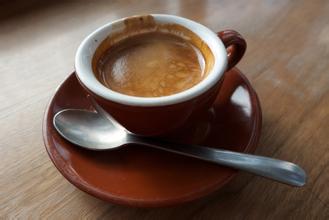
How to Blend Coffee Beans for a Blue Mountain Taste
Learn how to mix Brazilian, Colombian, Mocha, and other beans to mimic Blue Mountain’s smooth, sweet profile with specific ratios.

How Coffee Bean Flavor Profiles Are Classified
Learn how coffee beans are grouped by taste—acidic, sweet, bitter, neutral, or aromatic—and why roast level and origin matter.

Ethiopian Coffee Production and Pricing Explained
Learn how Ethiopian coffee is grown, processed, and priced, including key regions like Yirgacheffe and Sidamo.

The True Story of Mocha Coffee and Its Yemeni Roots
Discover how Yemen’s ancient coffee trade shaped what we call Mocha today, and why Yemeni beans still stand apart.

Latin America’s Major Coffee Producers: Output & Export Trends
Brazil leads global coffee production, Colombia maintains premium quality, and Guatemala sees volume declines — see the latest data on production and export volumes across Latin America.

Brazil's Coffee Industry: Production, Exports & Outlook
Brazil has led global coffee output since 1960, hitting 47.2M 60kg bags in 2002. Learn how exports, varieties, and economics shaped its market dominance.

Tanzania Coffee Bean Varieties Explained
Explore the key Tanzanian coffee varieties like SC3, SC11, and SC14, their disease resistance, yield, and flavor profiles preferred by local farmers.

When and Why You Should Cup Coffee
Cupping helps reveal a coffee’s true flavor—whether you're a buyer, roaster, barista, or just curious. Here's when it matters most.

Ethiopian Harar Coffee Beans: What Makes Them Unique
Explore Ethiopia’s ancient Harar coffee tradition, its wild flavor, and why it's considered one of the world’s most distinctive single-origin beans.

Deep-Roasted Yirgacheffe Coffee Beans Explained
When a Yirgacheffe roast hits 229°C, it enters second crack’s later stage. Here’s how that affects flavor, body, and cup character.

Gloria Jean's Coffee Enters Taiwan Market
Australia’s largest coffee chain Gloria Jean's COFFEES has opened its first store in Taiwan, offering 100% Arabica beans and Rainforest Alliance-certified coffee.
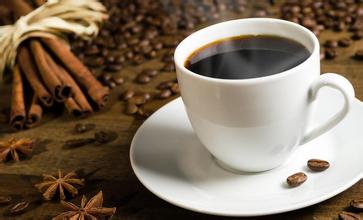
What Is Kopi Luwak and How Is It Really Made?
Kopi Luwak, or civet coffee, comes from coffee beans eaten and excreted by civets. Learn how it’s made, why it’s rare, and what makes it costly.

Wild vs. Farmed Kopi Luwak: Robusta vs. Arabica
Learn the difference between wild and farmed kopi luwak beans—most wild come from Robusta, while farmed is often fed Arabica cherries.
How Dark Roast Coffee Beans Create Classic French-Style Milk Coffee
Discover how dark roast beans and fresh milk combine for a rich, balanced café au lait. Learn why this classic combo works and how to get it right.

How to Grind Coffee Beans for the Best Flavor
Learn how grind size, timing, and machine care affect your coffee’s taste — with exact settings for pour-over, French press, and espresso.

How Roast Levels Affect Yunnan Coffee Flavor
Explore the full range of roast levels—from Light to Italian—and how they change the taste of Yunnan-grown Arabica coffee beans.

Brazilian and Ethiopian Coffee Bean Grades and Flavors
Brazilian coffee beans are graded by defect count and bean size, while Ethiopian beans like Djimmah offer wild forest-grown complexity. Here’s how they differ.
How to Use a Moka Pot for Specialty Coffee
Learn how to brew specialty coffee with a moka pot: grind size, material tips, safety, and optimal roast profiles for best results.