
Coffee Farm
Latest articles, industry insights and brewing guides
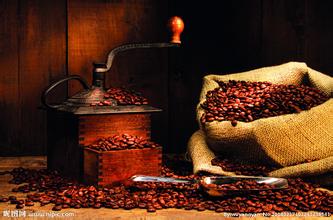
How El Salvador Washed Process Coffee Is Made
Learn how El Salvador produces balanced washed coffee using fermentation and sun drying, with key production facts and processing details.

Salvadoran Coffee Tastes of Nuts, Chocolate & Berries
Discover how El Salvador’s balanced coffee delivers flavors of chocolate, nuts, and berries—with a smooth, creamy body and hints of tropical fruit.

El Salvador Coffee Region: Mild & Balanced Single Origins
Explore El Salvador’s mild, well-balanced specialty coffee, grown mostly at high altitudes and renowned for its smooth cup profile.

Salvadoran Coffee Origins and Brewing Guide
Discover the origins of Salvadoran coffee, its mild flavor, and how it became a balanced specialty export from Central America.
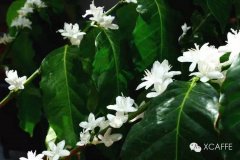
Bolivia’s Specialty Coffee: Planting & Early History
Learn how Bolivia’s coffee farming began as ornamental hedging, evolved post-1957, and grew in low-altitude regions with unique early export profiles.
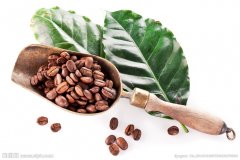
Puerto Rico’s Yauco Selecto Coffee Flavor Profile
Discover the rich, aromatic profile of Puerto Rico’s Yauco Selecto coffee, grown in limited quantities with traditional, eco-friendly farming methods.

What Makes Salvadoran Coffee Unique?
Salvadoran coffee is known for its balanced, mild flavor. Learn why it’s a standout Central American origin with unique growing conditions.
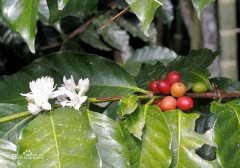
Top Nicaraguan Coffee Beans: Mild, Balanced, and Aromatic
Discover why Nicaraguan coffee ranks among the world’s best, with balanced flavor, medium body, and floral aroma from regions like Jinotega and Matagalpa.

Mexico’s Specialty Coffee: Smooth & Aromatic from the World’s Fourth-Largest Producer
Mexico ranks fourth globally in coffee production, yielding around 5 million bags annually. Most comes from smallholder farms, especially in Chiapas and Oaxaca.

Why Costa Rica Coffee Is Roasted Medium-Dark
Explore why medium-dark roasts highlight Costa Rican coffee’s bright acidity and bold aroma, especially from high-altitude regions like Tarrazú.

Washed Process in Costa Rican Specialty Coffee
Learn how Costa Rica’s washed coffee process creates bright, clean cups with vibrant acidity—key traits of its world-renowned beans.
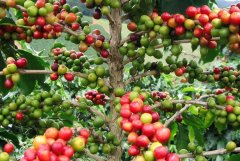
Martinique: Birthplace of Caribbean Coffee
The first coffee tree in the Western Hemisphere was planted in Martinique in 1723. Learn how this small island sparked a coffee legacy now mostly forgotten.
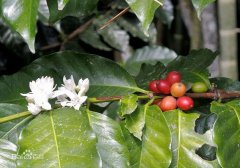
Why Honduras Coffee Is Great for Blends
Honduras grows high-acid specialty coffee graded by altitude. Its beans are widely used in blends due to consistent quality and flavor balance.

Haiti Coffee: Full-Bodied, Mild Flavor, Low Acidity
Haiti grows bold, full-bodied coffee with mild acidity and smooth mouthfeel, often grown without agrochemicals due to farmer poverty.
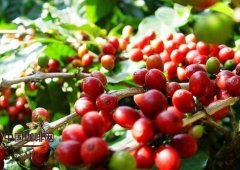
Guatemala SHB Coffee Beans: Bold, Balanced, and Full-Bodied
Guatemala’s Strictly Hard Bean (SHB) coffee offers bold, well-balanced flavor with vibrant acidity. These high-altitude beans are known for their rich body and spicy complexity.
Costa Rica Coffee Varieties: Caturra and Catuai Explained
Learn why Caturra and Catuai are key to Costa Rica’s specialty coffee profile, with insights on altitude, processing, and regional flavor impact.
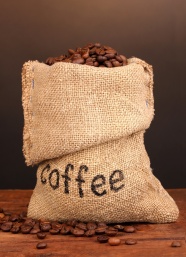
Washed Process Coffee from Costa Rica Explained
Discover how Costa Rica’s washed coffee process delivers bright acidity, clean flavors, and high-quality beans from regions like Tarrazú.
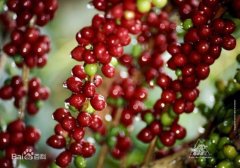
Guadeloupe: Once a Major Coffee Producer in the Caribbean
Once a leading coffee grower, Guadeloupe’s output collapsed due to hurricanes, land reforms, and shifting agriculture. Here’s the full history.

What Makes Costa Rican Coffee Taste Like Berries and Caramel?
Costa Rican coffee from high-altitude regions like Tarrazú offers bright acidity, berry notes, caramel, and a creamy body due to volcanic soil and meticulous processing.
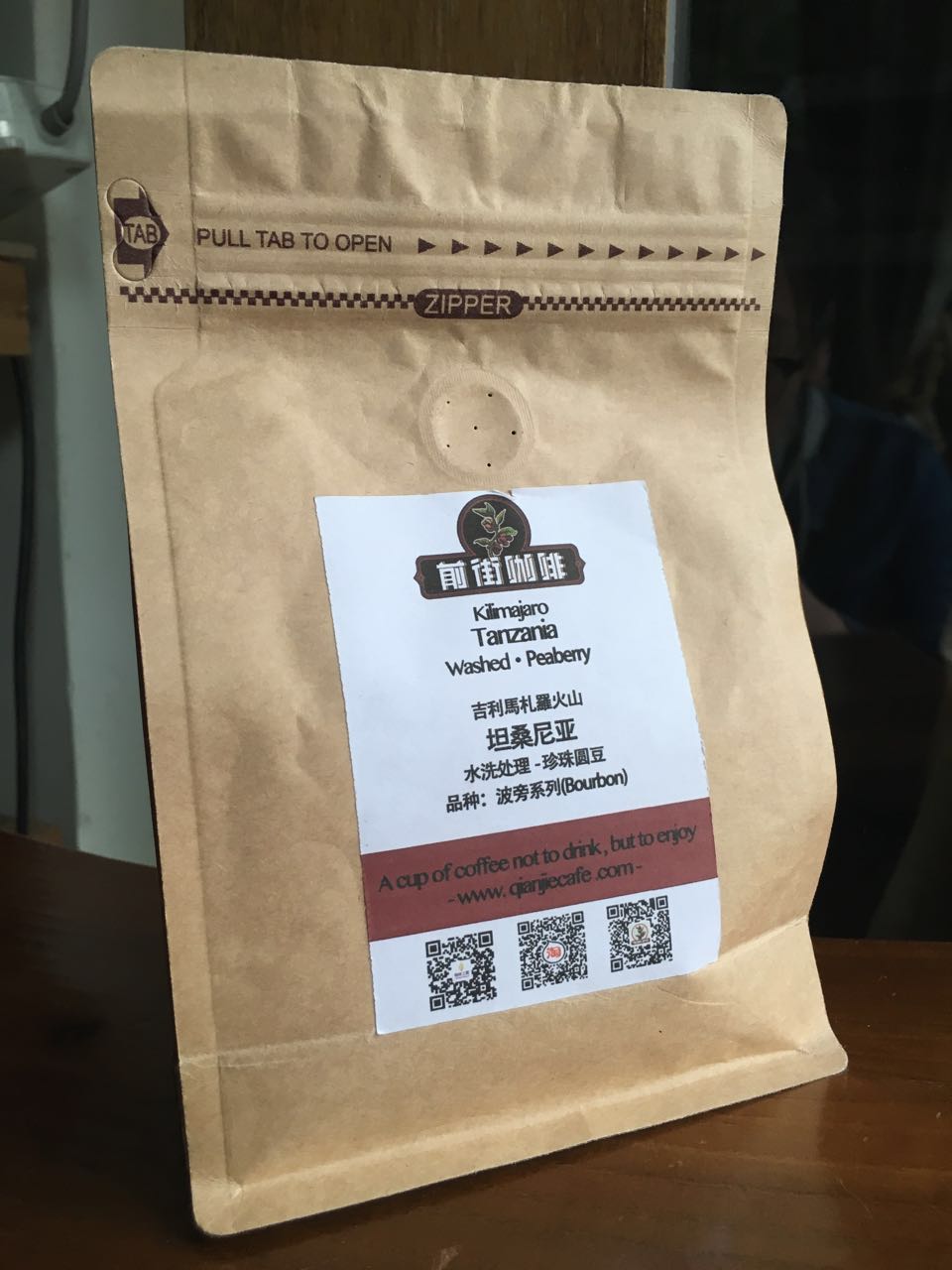
Tarrazú, Costa Rica’s Premier Specialty Coffee Region
Learn why Tarrazú, Costa Rica produces some of the world’s most balanced, high-altitude specialty coffees with vibrant acidity and bold aromatics.