
Coffee Farm
Latest articles, industry insights and brewing guides
How Natural Disasters Shaped Guadeloupe’s Coffee History
Once a major coffee producer, Guadeloupe now grows coffee on just 150 hectares due to hurricanes, economic shifts, and policy changes.
Why Salvadoran Coffee Is Mild and Balanced
Salvadoran coffee is known for its balanced, mild flavor with 40% of exports graded as Strictly Hard Bean. Learn why it stands out.
Full-Bodied, Sweet Coffee from the Dominican Republic
Discover the bright, clean profile of Dominican Republic coffee, especially from the washed Barahona, Juncalito, and Ocoa regions.
What Is the Best Coffee in Cuba? Turquino & Extra Turquino Explained
The finest Cuban coffee is Turquino or Extra Turquino — a premium grade, not a region, similar to Jamaica’s Blue Mountain. Mild, balanced, grown at lower altitudes.

Ethiopian Coffee Flavors: Jasmine, Citrus, Honey, Black Tea
Explore Ethiopian coffee’s unique floral, citrus, and honey notes, grown at high altitudes with wild and cultivated varieties.

How Ethiopia Washes Its Specialty Coffee Beans
Learn how Ethiopia processes its high-quality specialty coffee using the washed method, with details on altitude, varieties, and unique flavors.
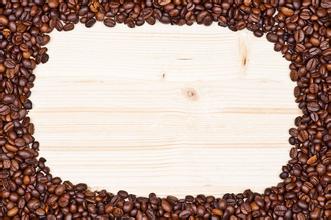
Ethiopian Coffee Origins and Estate-Grown Beans
Explore Ethiopia’s role as coffee’s birthplace, its wild-growing varieties, and unique estate-grown coffees like Yirgacheffe and Sidamo.
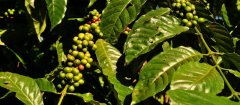
Costa Rican Coffee: Hard Bean, High Acidity, Bold Aroma
Learn why Costa Rican high-altitude coffee earns 'SHB' status, with bright acidity, dense beans, and complex fruit flavors.

Ethiopian Coffee Origins: Regions, Varieties, and Flavors
Explore Ethiopia’s key coffee-growing regions, wild varieties, and unique processing traditions that shape its iconic cup profiles.

Where Ethiopian Coffee Comes From and How It’s Made
Discover Ethiopia’s role as the birthplace of coffee, its wild-growing varieties, key regions like Yirgacheffe and Sidamo, and how to roast and brew its unique beans.
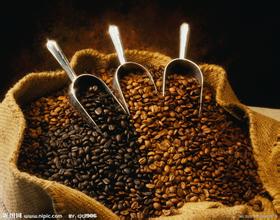
What Makes Ethiopian Coffee Unique? Specialty Bean Guide
Explore Ethiopia’s role as coffee’s birthplace, its wild-growing trees, and why its high-altitude beans deliver floral, citrusy, and wine-like notes.

Why Colombia Roasts Medium-Dark for Specialty Coffee
Colombia’s signature medium-dark roast brings out balance and body in high-altitude Arabica, balancing sweetness, acidity, and crema potential.
Colombian Specialty Coffee from Millennium Estate
Discover Colombia’s coffee legacy: the world’s second-largest Arabica producer with balanced, high-quality beans grown across diverse microclimates.

Colombian Coffee Varieties: Caturra and Typica Explained
Learn why Colombia's Caturra and Typica are cornerstone varieties for specialty coffee, with insights into their farming, flavor, and regional impact.

How Colombia Processes Washed Specialty Coffee
Colombia produces over 13 million 60kg bags of washed coffee annually using strict quality controls and ideal high-altitude conditions.

Why Colombian Coffee Tastes So Balanced and Sweet
Colombian coffee is known for its balanced body, bright acidity, and clean sweetness. Here’s why it’s consistently one of the world’s best.

Colombian Coffee Regions and Specialty Farms Explained
Explore Colombia’s top coffee-growing regions, key farms, and what makes its beans globally prized for balance and quality.
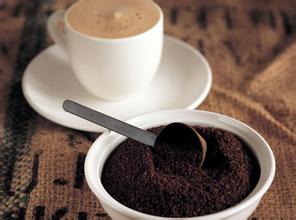
Colombian Coffee Origins and How It’s Made
Learn how Colombia became the world’s second-largest coffee producer, and why its washed Arabica is globally admired for balance and smoothness.
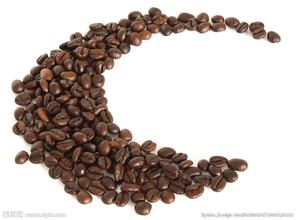
What Makes Colombian Coffee Special?
Colombian coffee is globally praised for its balanced flavor, high quality, and diverse regional profiles—here’s why it stands out.

Guatemala Coffee Varieties: Caturra, Catuai, and Bourbon
Learn about Guatemala’s key coffee varieties—Caturra, Catuai, and Bourbon—and why its high-altitude, hard-bean coffees offer bold, balanced flavors.