
Coffee Farm
Latest articles, industry insights and brewing guides
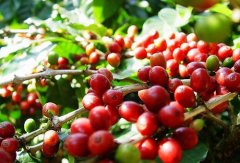
Why Suriname Was South America’s First Coffee Producer
Suriname was the first South American country to grow coffee, introduced in the 1700s from Java via Dutch settlers. Once exported to Norway, its production has since dwindled.
Costa Rican Tarrazu Coffee Flavor Profile: Berry, Caramel & Spice
Explore the bright berry, caramel, and spice flavors of Costa Rican Tarrazu coffee, grown at high altitudes with volcanic soil.
Costa Rica Tarrazú: Specialty Coffee Region & Flavor Profile
Explore Costa Rica’s Tarrazú region, famed for high-altitude coffee with bright acidity, clean flavors, and ideal cup balance.
The Origins and Processing of Costa Rican Specialty Coffee
Discover how Costa Rica’s high-altitude volcanic soil produces world-class coffee, with key processing methods like honey and washed.
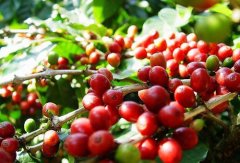
Venezuela’s Distinctive Coffee Farms Emerge from Oil Shadows
Once overshadowed by oil, Venezuela’s coffee regions like Táchira now revive heirloom Typica and Bourbon varieties with unique, balanced profiles.

What Makes Costa Rican Coffee Special?
Discover the key traits of Costa Rican coffee: bright acidity, bold aroma, and high-altitude quality from regions like Tarrazú.
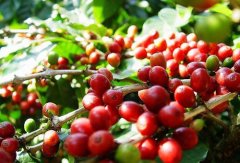
Galápagos Islands Coffee: Rare Beans from Giant Tortoise Home
Discover how coffee grown at 410m in the Galápagos, free of chemicals and shaped by ocean winds, produces a rare, high-quality SHB bean.

Why Peruvian Coffee Is Ideal for Blending
Peruvian coffee is balanced and mild—98% is grown in forest zones—and works well in blends. Most is produced by smallholders under stable conditions.

How Papua New Guinea Coffee Is Washed Processed
Learn how over 75% of Papua New Guinea’s high-altitude coffee is processed using the washed method, and why it impacts quality and flavor.
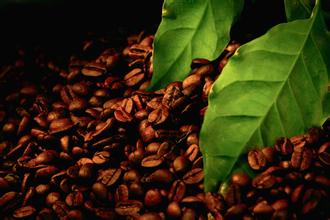
Papua New Guinea Coffee: Nutty, Caramel-Like, Low-Acid Flavor
PNG coffee grows at high altitudes with minimal inputs, yielding a smooth, nutty cup with low acidity. Here's what makes it unique.

Papua New Guinea Coffee: Small Farms, Big Flavor
Learn why PNG coffee, grown at 1300–1800m by small farms, delivers rich fruit and nut notes despite quality challenges over the decades.
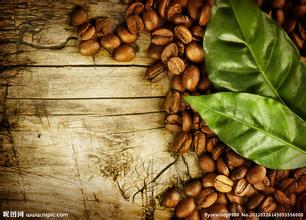
Papua New Guinea Coffee: Origins and Processing Methods
Discover how Papua New Guinea produces high-altitude, mostly small-farm-grown coffee with distinctive fruit and nut profiles, despite past quality issues.
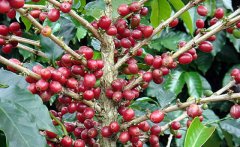
Why South African Coffee Tastes Like Mild Central America
South African coffee has low acidity and floral notes, often compared to Central American beans due to its growing conditions and varietal traits.
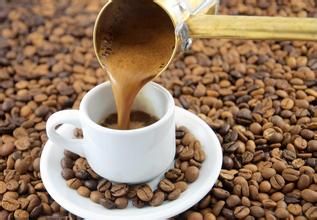
What Makes Papua New Guinea Coffee Unique?
Explore the unique characteristics of PNG coffee: high-altitude growth, organic practices, and complex fruit-and-nut flavors from smallholder farms.
São Tomé and Príncipe Coffee: Small Batch, Big Flavor
São Tomé and Príncipe produces just 1,000 bags a year of smooth, high-quality Arabica coffee, mostly exported to Scandinavia.
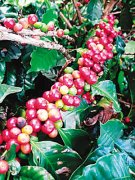
St. Helena Coffee: What Makes Napoleon’s Favorite Bean Special?
Learn why Napoleon praised St. Helena coffee as the island’s only good export, its unique history, and how it’s still grown by hand today.
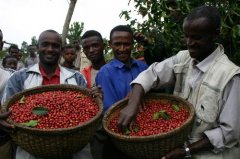
Kenya Coffee: Rare Beans with Bold Acidity and Fragrance
Discover why Kenya produces some of the world’s most admired specialty coffee—renowned for vibrant fruitiness, balanced acidity, and complex aromatics.
Why Kenyan Coffee Stands Out for Aroma and Acidity
Kenyan coffee is beloved for its intense fragrance, balanced acidity, and vibrant fruit flavors—qualities that make it a favorite among specialty roasters worldwide.

Ivory Coast Coffee: One of the World’s Largest Producers by Volume
Ivory Coast ranks fifth globally in coffee production, yielding 4.4 million bags annually, mostly robusta. Once third in the 1980s, it still leads in robusta after Indonesia.
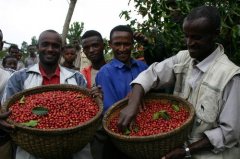
Zambian Coffee Flavor: Lighter Than Kenyan, Great for Afternoon
Zambian coffee has a milder flavor than Kenyan but similar tasting notes. It's ideal for afternoon sipping and shares the same price range.