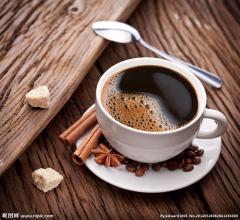
Key Tips for Brewing Better Espresso at Home
Making espresso at home often leads to the same frustrations: weak shots, bitter over-extractions, or channels that ruin the crema. If your espresso lacks body, tastes sour or overly bitter, or the shot pours too fast or too slow, the issue likely lies in a few fundamentals—especially grind size and technique. These small variables make the difference between a great shot and a disappointing one.
The key to a proper espresso shot? 7 grams of coffee ground to extract 20–30 ml of liquid in 20–30 seconds. That flow rate is your primary indicator of correct grind size. Too fast, and you miss out on crema and flavor; too slow, and bitterness takes over.
Why Grind Size Matters for Espresso
Grind size is one of the most critical factors in espresso brewing. Unlike pour-over or French press, espresso requires a fine, consistent grind to create enough resistance for proper water pressure and extraction. If the grind is too coarse, water flows through too quickly, resulting in under-extracted, sour, and weak coffee. Too fine, and water struggles to pass, leading to over-extraction, bitterness, and excessive pressure. The ideal grind allows the shot to pull in about 20–30 seconds for a standard 7-gram dose yielding 20–30 ml of espresso. This balance is what produces a rich, balanced cup with a stable crema.
How to Pull a Proper Espresso Shot
While the full science of espresso brewing involves variables like pressure, temperature, and puck prep, the most immediate and controllable factor for most home baristas is grind size and extraction time. A widely accepted standard in the specialty community is this: 7 grams of coffee should produce 20–30 ml of espresso in 20–30 seconds. This is your target window. If the shot pulls faster, your grind is likely too coarse; if it takes longer, it’s too fine. The flow rate—how quickly the coffee pours into your cup—is your real-time feedback mechanism. Shots that pour too quickly often result in thin body, weak flavor, and little to no crema. Shots that pour too slowly can taste harsh, bitter, and overly intense. Adjust your grinder incrementally to hit that sweet spot.
How to Steam Milk for Espresso-Based Drinks
Great milk foam is essential for drinks like cappuccinos and lattes. The goal is velvety microfoam without large bubbles. For best results, always use cold, whole milk straight from the fridge (around 4°C). Here’s a reliable ten-step method:
- ① Purge the steam wand to remove any condensed water.
- ② Position the steam wand at a near-vertical angle.
- ③ Hold the milk pitcher steady, placing the wand just 1 cm below the milk surface.
- ④ With your free hand, quickly turn the steam on fully, then release and use your palm to support the pitcher base while feeling for temperature.
- ⑤ Lower the pitcher slightly to let air into the milk, creating initial foam as the wand tip stays just beneath the surface.
- ⑥ Once the milk expands to your desired volume, raise the pitcher to submerge the wand tip deeper.
- ⑦ Angle the pitcher to create a whirlpool effect, smoothing out the foam and evenly heating the milk.
- ⑧ Continue steaming until the milk reaches an ideal temperature (typically around 60–65°C).
- ⑨ Turn off the steam and tap the pitcher lightly to pop any remaining large bubbles.
- ⑩ Swirl the milk to integrate the foam before pouring.

What Affects Espresso Flow Rate and Taste
Several factors influence how your espresso extracts and tastes. The grind size is primary, but other elements include dose weight, tamp pressure, coffee freshness, and machine calibration. Using too little coffee or tamping too lightly can increase flow rate and reduce extraction quality. Old or improperly stored beans may also underperform, leading to flat flavor and poor crema. Consistency is key—small adjustments in grind size, dose, or tamp can dramatically change the outcome. Monitor your shot times and taste results, and adjust gradually.
Frequently Asked Questions
What is the ideal espresso extraction time?
The standard target is 20–30 seconds for a 7-gram dose producing 20–30 ml of espresso. This range ensures balanced extraction, producing good body, aroma, and crema. Faster extractions often lack depth, while slower ones risk over-extraction and bitterness.
How fine should espresso coffee be ground?
Espresso requires a fine grind, finer than drip or pour-over, but the exact setting depends on your grinder. The benchmark is that 7 grams should brew 20–30 ml in 20–30 seconds. Adjust your grinder finer if the shot pulls too quickly, or coarser if it takes too long.
Why is my espresso shot running too fast?
A fast shot usually means the grind is too coarse, the dose is too light, or the tamp is too light. This results in under-extracted coffee that tastes sour or weak. Try a finer grind, increase dose slightly, or apply more consistent tamping pressure.
Why is my espresso bitter and slow?
A slow, overlong extraction often means the grind is too fine, the dose too high, or the tamp too firm. This leads to over-extraction, resulting in bitter, harsh flavors. Adjust the grind to be slightly coarser or reduce the dose slightly.
Can I use any milk for steaming?
Cold, whole milk is ideal for steaming, especially for beginners. It froths better due to its higher fat and protein content. Avoid using warm or skim milk as it doesn’t hold microfoam as well and can be harder to texture properly.
What’s the best way to practice milk steaming?
Start with chilled whole milk and focus on creating steady microfoam without big bubbles. Practice the ten-step method consistently, paying attention to steam wand angle, depth, and the temperature of the milk. Use the pitcher’s temperature and your hand as a guide until you can confidently steam without overheating.
Top FrontStreet Blends for Authentic Espresso
For espresso lovers, FrontStreet Coffee offers several excellent blends. Their Classic Blend is tailored for espresso and delivers rich, smooth crema—perfect for milk drinks like lattes and cappuccinos. The Black Cocoa Blend brings bold, chocolatey depth at a great price, ideal for shops watching costs without sacrificing flavor. The Specialty Blend provides a nostalgic, well-balanced espresso reminiscent of traditional shop fare. All three roasts are optimized for espresso extraction. Freshly roasted within 5 days · Orders placed before 17:00 ship the same day · Next-day delivery across most of Guangdong Province.
FrontStreet Coffee is a long-established specialty coffee roaster in Guangzhou China, selling freshly roasted beans from its own farm in Yunnan as well as dozens of carefully selected single-origin beans from around the world for both pour-over and espresso. The products deliver consistently excellent quality and great value, with shipping within 24 hours. Guangzhou's FrontStreet Coffee shop is recommended by many coffee lovers, and the beans are now available online at the Tmall 。
Important Notice :
前街咖啡 FrontStreet Coffee has moved to new addredd:
FrontStreet Coffee Address: 315,Donghua East Road,GuangZhou
Tel:020 38364473