
Coffee Farm
Latest articles, industry insights and brewing guides
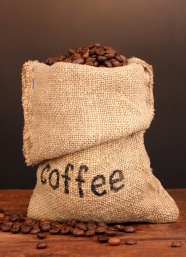
What Makes Guatemalan Specialty Coffee Unique?
Guatemalan coffee is known for its full-bodied, balanced flavor with spice notes and high-altitude acidity, especially from Antigua and Huehuetenango.

Salvadoran Pacamara Coffee: A Mild, Unique Specialty Bean
Explore the mild, balanced flavor of Salvadoran Pacamara coffee, a rare hybrid grown at high altitudes in El Salvador’s western regions.

How Salvadoran Coffee Is Washed and Sun-Dried
Salvadoran coffee uses washed fermentation and sun drying for balanced, mild flavors. Here’s how the process works and what defines its quality.

Salvadoran Coffee Tastes of Nuts, Chocolate & Berries
Learn why Salvadoran coffee is prized for its balanced profile, featuring notes of nuts, chocolate, passionfruit, and strawberry.

Salvadoran Coffee: Mild Flavor & Unique Terroir
Explore why Salvadoran coffee is known for its balanced, mild profile and how geography shapes its unique cup.
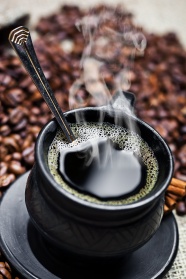
Salvadoran Coffee Origins and How It’s Made
Salvadoran coffee offers balanced, mild flavors and is graded by altitude. Discover its history, production decline, and the unique Pacamara variety.

What Makes Salvadoran Coffee Unique in Flavor?
Salvadoran coffee is known for its balanced, mild flavor and is graded by altitude, with premium beans grown over 1,200m. Here’s what sets it apart.
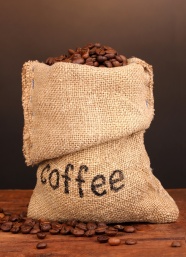
What Makes Salvadoran Coffee Unique in Flavor and Profile?
Salvadoran coffee offers balanced, mild flavor with high cup quality, mainly grown at altitude and prized for its smooth, aromatic profile.

Fire Phoenix Estate: Costa Rica Tarrazu Specialty Coffee
Explore Costa Rica’s Fire Phoenix Estate in Tarrazu, known for bold, sweet beans with bright acidity and intense aroma at high altitudes.
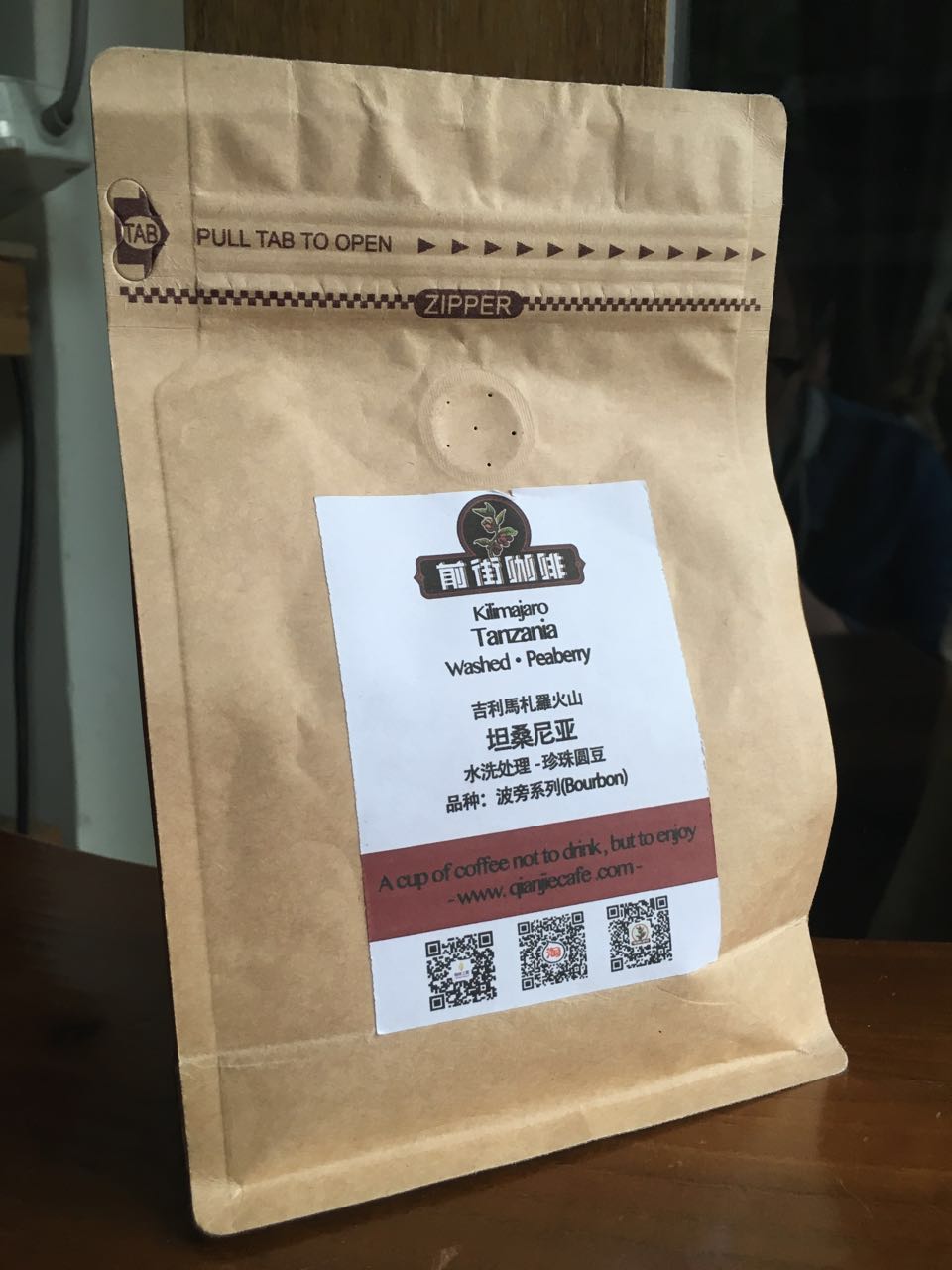
Costa Rica Coffee Varieties: Caturra and Catuai Explained
Learn why Caturra and Catuai are key to Costa Rica’s signature bright, sweet coffees, especially from high-altitude regions like Tarrazú.
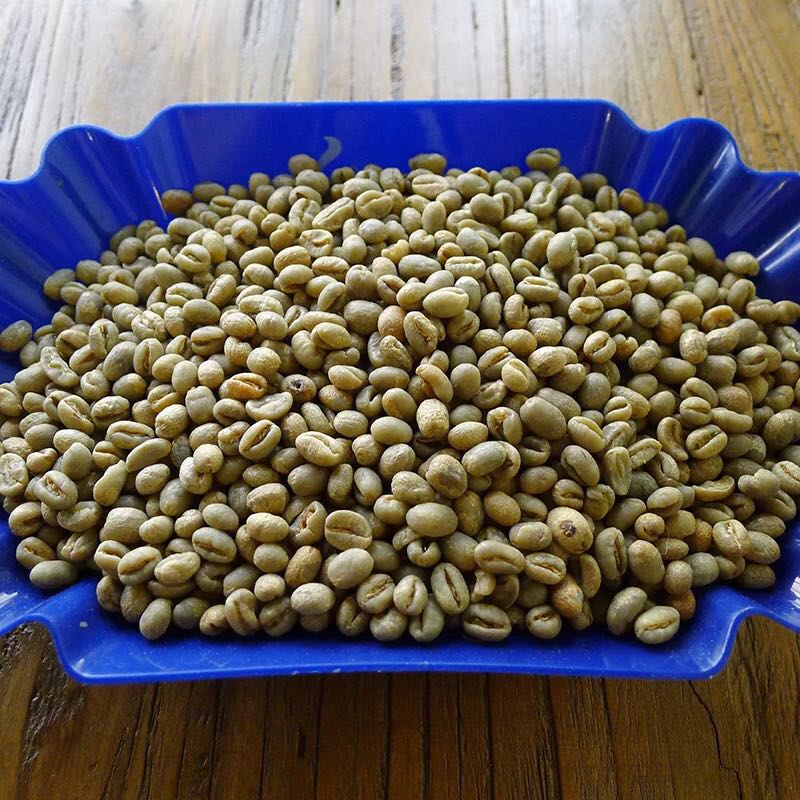
Red Honey Process in Costa Rican Specialty Coffee
Learn how red honey processing shapes Costa Rican coffee’s bright acidity and bold aroma, especially in regions like Tarrazú.
Costa Rican Coffee Tastes Like Dried Fruit, Vanilla, and Honey
Explore why Costa Rican coffee from Tarrazú offers rich flavors of dried fruit, vanilla, and honey, with a heavy yet refined mouthfeel.

Costa Rica’s Tarrazú: Specialty Coffee’s Highland Gem
Explore why Costa Rica’s Tarrazú produces high-acidity, aromatic coffees at elevations over 1,500m with unique volcanic soil and selective harvesting.

The Origins and Processing of Costa Rican Specialty Coffee
Explore the high-altitude origins, volcanic soils, and honey processing methods behind Costa Rica’s world-renowned specialty coffee.

Costa Rica Coffee Origin and Processing Methods
Learn where Costa Rica’s premium coffee comes from and how its high-altitude, honey-processed beans develop bold sweetness and bright acidity.

What Makes Costa Rican Coffee Special?
Discover why Costa Rican coffee beans are prized for their bright acidity, full body, and clean sweetness, especially from high-altitude regions like Tarrazú.

Papua New Guinea’s Waghi Valley Coffee Origins Explained
Learn how high-altitude, smallholder-grown PNG coffee from Waghi Valley developed its global reputation—and what changed its quality fate.

Papua New Guinea Coffee: Kimmel Estate Origins & Flavor Profile
Learn how Papua New Guinea’s mountain-grown coffee evolved from mass production to high-quality single origins, and what makes its washed beans unique.

Washed Processing in Papua New Guinea Coffee
Learn how Papua New Guinea’s high-altitude coffee farms use washed processing to produce distinctive, high-quality beans with bright acidity.

Papua New Guinea Coffee: Nutty, Caramel, Low-Acid Flavor Profile
Learn why PNG coffee offers a smooth, nutty, and low-acid cup with rich body—grown mostly on small farms at high altitudes.