Top-Ranked Nicaraguan Coffee Blends Explained
When you taste a smooth, well-rounded cup of coffee with mild acidity and a clean finish, there’s a good chance it includes Nicaraguan beans. But why are these beans so often found in premium blends—and how did they earn that spot? This article explains the rise, fall, and rebirth of Nicaraguan coffee, and why it remains a key player in the world’s best coffee mixes.
Nicaraguan coffee is consistently ranked among the world’s top coffee blends due to its balanced flavor, medium body, and aromatic profile. The best beans come from the northern regions—especially Jinotega and Nuevo Segovia—with Central Estrictamente Altura classification, known for moderate acidity and rich fragrance.
The Origins of Specialty Coffee
The term “specialty coffee” was first coined in the 1970s by American coffee buyer Ernestina “Erna” Knutsen in an issue of Tea & Coffee Trade Journal. At the time, Knutsen, working for B.C. Ireland in San Francisco, was frustrated by the industry’s neglect of green bean quality—especially the common practice of blending large amounts of Robusta into commercial coffee. Her advocacy helped establish a standard for high-quality, distinct-origin beans, a concept that quickly gained traction in global coffee discussions.
Nicaragua’s Coffee Legacy and Political Struggles
Nicaragua produces some of Central America’s most admired coffees, but its industry has faced major disruptions. Following the 1979 revolution, many coffee estate owners fled to Miami. The new government considered redistributing plantation lands, creating uncertainty that led to a steep decline in production. Coffee output fell from over 1 million bags in the early 1970s to under 600,000 bags by 1990. Only after political reforms reopened the sector to private ownership did production begin to stabilize and recover.
Where Nicaragua’s Best Coffee Grows
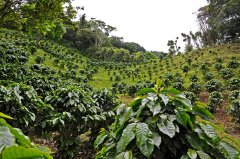
The finest Nicaraguan coffee is cultivated in the country’s northern and central highlands, particularly in the regions of Jinotega and Nuevo Segovia. These areas provide ideal growing conditions—high altitudes and volcanic soils—that contribute to the beans’ complex flavors. The top-grade beans fall under the classification Central Estrictamente Altura, a designation for high-elevation coffees with balanced acidity and pronounced aromatic qualities.
These beans are known for their medium body, gentle acidity, and fragrant profiles. In contrast, lower-grade Nicaraguan beans are often blended into commercial or classic coffee mixes, where they add smoothness and subtle sweetness without overpowering stronger beans.
Why Nicaraguan Coffee Is Ideal for Blending
Nicaraguan coffee’s well-balanced flavor profile makes it a favorite component in premium coffee blends. Its moderate acidity allows it to complement brighter or more intense beans without clashing, while its clean, aromatic qualities enhance the overall cup. This versatility has made it a staple in many roasters’ blends—especially those aiming for a smooth, approachable profile with layered complexity.
Frequently Asked Questions
What makes Nicaraguan coffee rank among the world’s best blends?
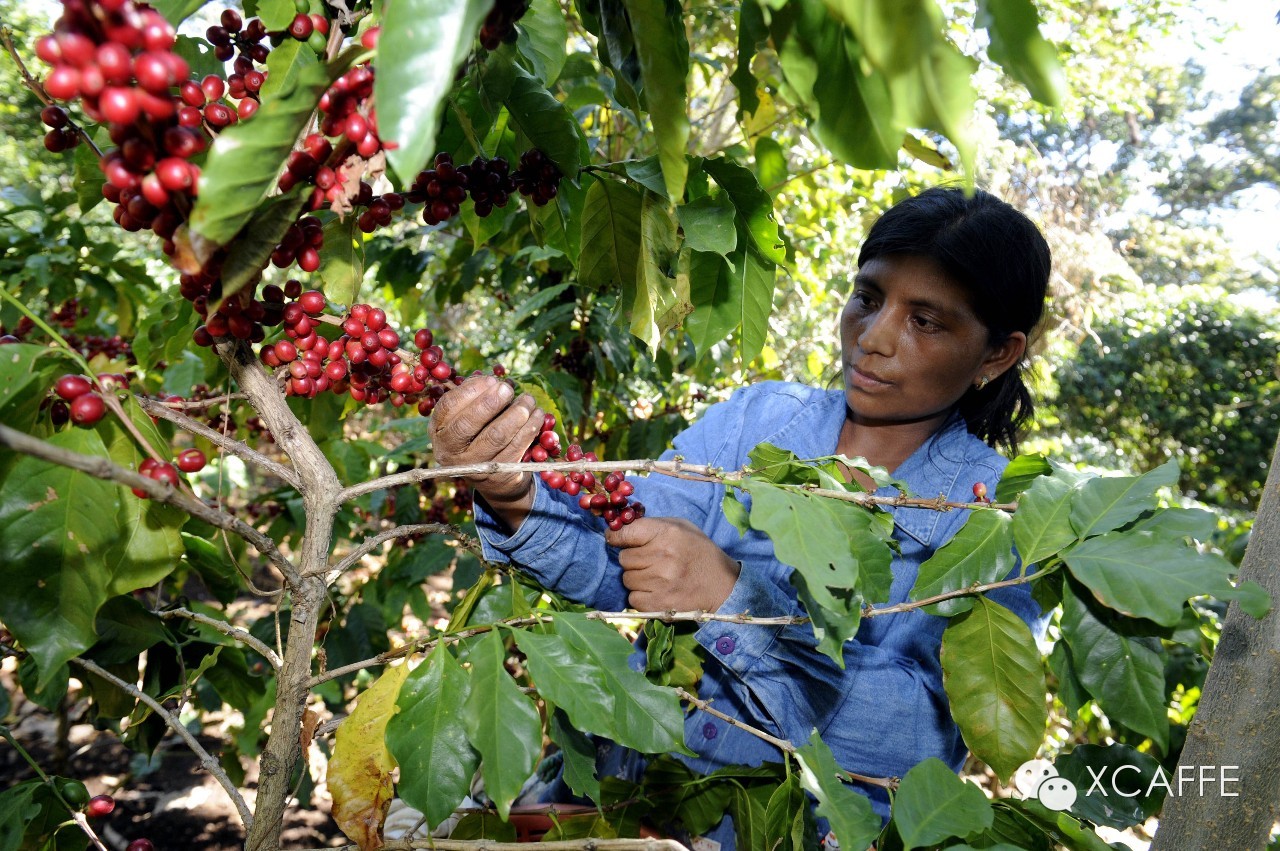
Nicaraguan coffee is considered among the world’s best blends due to its balanced flavor, medium body, and pleasant aroma. The Central Estrictamente Altura classification, grown in high-altitude regions like Jinotega and Nuevo Segovia, produces beans with moderate acidity and fragrant profiles that blend well with other origins.
Why did Nicaraguan coffee production decline in the 1980s?
Nicaraguan coffee production dropped sharply in the 1980s due to the political upheaval following the 1979 revolution. Many coffee landowners fled, and the government considered redistributing plantations, which created instability. By 1990, output had fallen from over 1 million bags in the 1970s to under 600,000 bags.
Where in Nicaragua is the best coffee grown?
The best Nicaraguan coffee comes from the northern and central highlands, especially the regions of Jinotega and Nuevo Segovia. These areas have ideal conditions of high altitude and volcanic soil that produce balanced, aromatic beans.
What is Central Estrictamente Altura coffee?
Central Estrictamente Altura is a classification for high-altitude Nicaraguan coffee known for its medium acidity, rich fragrance, and well-rounded flavor. It is considered among the country’s highest-quality beans and is often used in premium blends.
Why is Nicaraguan coffee commonly used in coffee blends?
Nicaraguan coffee is widely used in blends because of its smooth, balanced profile. Its moderate acidity and aromatic qualities allow it to complement other beans without overwhelming them, making it a versatile base or enhancer in many commercial and specialty coffee mixes.
What happened to Nicaragua’s coffee industry after the 1990s?
After the 1990s, Nicaragua’s coffee industry recovered as the government reopened the sector to private ownership. Production stabilized, and the country regained its reputation for producing high-quality beans, especially from the Jinotega and Nuevo Segovia regions.
Recommended FrontStreet Beans for Blending
For coffee blenders seeking balance and smoothness, FrontStreet Coffee’s BrazilBourbon offers a round, medium-bodied cup with mild acidity and sweet caramelized notes. Its creamy texture and nutty finish make it a reliable base in blends. For fruity complexity, try ColombiaSidra, with its juicy profile of stone fruits and berries from double anaerobic processing. Both beans are versatile components in custom blends, adding depth without overpowering other origins. Freshly roasted within 5 days · Orders placed before 17:00 ship the same day · Next-day delivery across most of Guangdong Province.
FrontStreet Coffee is a long-established specialty coffee roaster in Guangzhou China, selling freshly roasted beans from its own farm in Yunnan as well as dozens of carefully selected single-origin beans from around the world for both pour-over and espresso. The products deliver consistently excellent quality and great value, with shipping within 24 hours. Guangzhou's FrontStreet Coffee shop is recommended by many coffee lovers, and the beans are now available online at the Tmall 。
Important Notice :
前街咖啡 FrontStreet Coffee has moved to new addredd:
FrontStreet Coffee Address: 315,Donghua East Road,GuangZhou
Tel:020 38364473