
Coffee Farm
Latest articles, industry insights and brewing guides

Papua New Guinea Coffee: What Makes It Unique?
Learn why Papua New Guinea coffee, grown mostly on high-altitude small farms, offers rich fruit and nut flavors at approachable prices.

Where Does Papua New Guinea Coffee Come From?
Most Papua New Guinea coffee comes from small highland farms at 1300–1800m, grown organically with complex fruit and nut profiles.

What Makes Papua New Guinea Coffee Special?
Learn why Papua New Guinea coffee stands out with its high-altitude growing conditions, organic practices, and unique island flavors.
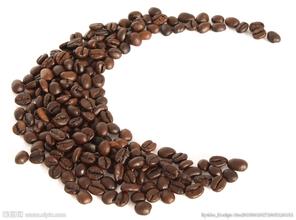
Indonesian Coffee from Kintamani Volcano Region
Explore Indonesia’s Kintamani highland coffee, part of a diverse island chain producing nuanced beans with bright acidity and low bitterness.

How Indonesia Processes Its Iconic Natural Coffee
Discover how Indonesia produces its signature sun-dried coffee, from historic plantations to modern smallholder methods.

Indonesian Coffee Flavors: Peach, Pineapple, and Black Sugar Notes
Explore Indonesia’s island-grown coffees—rich, syrupy, and complex—with distinct fruity and caramel notes. Learn which regions produce the best beans.

Indonesian Coffee Regions and Specialty Bean Origins
Explore Indonesia’s key coffee-growing islands—Java, Sumatra, Sulawesi, Flores—and learn what makes their beans distinct in flavor and processing.

Indonesian Coffee Origins and How It’s Made
Explore Indonesia’s key coffee-growing islands, cup profiles, and processing history — including Mandheling and old government-aged beans.

What Makes Indonesian Coffee Unique? A Flavor Guide
Indonesia grows some of the world’s richest, spiciest coffees—from Mandheling’s full body to Java’s smooth blend. Discover the island nation’s coffee legacy.

Where Mocha Coffee Beans Really Come From
Learn the origins of Yemen’s historic Mocha coffee, its unique beans, and why its flavor still stands out today.

Where Mocha Coffee Beans Come From and How They're Made
Discover the origin and traditional processing of Yemeni Mocha coffee beans, known for their small size, high acidity, and unique spicy-chocolate profile.

What Is Mocha Coffee? Yemeni Origins & Flavor Profile
Explore the unique flavor and history of Mocha coffee from Yemen, including its distinctive beans and traditional production methods.
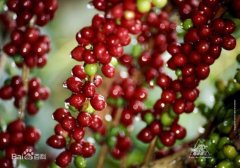
South Minas Bourbon: Brazil’s Distinctive Coffee Flavor
Discover how high-altitude South Minas and Cerrado regions in Brazil produce bold, nutty Bourbon coffees with low acidity and rich sweetness.

Tanzania Coffee from Kilimanjaro’s Northern Highlands
Explore the bright, fruity flavors of Tanzania AA coffee grown near Mount Kilimanjaro, with notes of citrus, nuts, and honey.

How Tanzania Coffee Is Washed Processed for Bright Acidity
Tanzania’s washed coffee uses water processing to highlight bright acidity and floral notes. Learn the steps and why it works so well at high altitudes.

Tanzanian Coffee Flavor Profile: Apricot, Dates, Spice, and Chocolate
Tanzanian coffee offers bright acidity and aromatic complexity, with flavors of apricot, dates, spice, and malt chocolate. Learn what makes these beans special.

Tanzania Coffee: AA Grade from Kilimanjaro Region
Explore Tanzania’s high-quality AA coffee from the Kilimanjaro region, known for its bright acidity, floral notes, and smooth sweetness.

Tanzanian Coffee Origins and Brewing Guide
Discover Tanzanian coffee’s origins, flavor traits, and how to brew it for bright acidity and fruity sweetness, including regional growing facts.
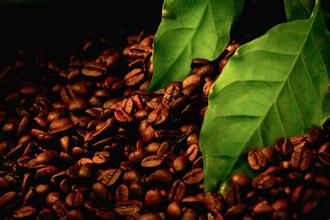
What Makes Tanzanian Coffee Unique?: Flavor & Profile Guide
Tanzanian coffee offers bright acidity, floral notes, and smooth sweetness. Discover the key characteristics of beans from regions like Kilimanjaro.

Salvadoran Coffee from Himalaya Estate: What to Expect
This single-origin coffee from El Salvador’s Himalaya Estate offers wine-like acidity, plum, and brown sugar with a full body. Learn where it’s grown and processed.