Where Tanzanian Coffee Beans Come From
If you've ever sipped a bright, juicy cup of Tanzanian coffee and wondered where those vibrant citrus and floral notes come from, you're not alone. Many coffee lovers are curious about the origin story behind Tanzanian beans — especially what makes them distinct from other African coffees. The truth lies not just in the country, but in the specific high-altitude microclimates and traditional processing methods that shape their character.
Tanzanian coffee primarily comes from the slopes of Mount Kilimanjaro, grown at elevations between 1,300 and 2,000 metres. The region’s volcanic soil, cool temperatures, and ample rainfall create ideal conditions for high-quality Arabica. Most beans are processed using the washed method, which results in clean, bright flavours.
Mount Kilimanjaro: Tanzania’s Coffee Crown Jewel
Mount Kilimanjaro is Africa’s highest peak and one of the most unique coffee-growing environments in the world. Nicknamed the “Roof of Africa,” it features a remarkable contrast: tropical heat at its base and year-round snow at its summit, where temperatures can drop to -34°C. This dramatic elevation range creates diverse microclimates, with the coffee-growing zones flourishing on the cooler, rainy slopes.
The mountain receives 1,600 to 1,800mm of rain annually on its windward side, supporting the slow maturation of coffee cherries. The volcanic soils are rich in nutrients, contributing to complex cup profiles. Kilimanjaro is not only Tanzania’s tallest mountain but also its most important coffee-producing region, both in volume and economic impact.
Why Washed Processing Is Key
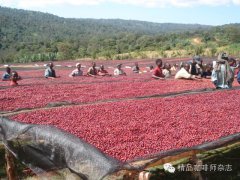
Tanzania’s wet climate makes the washed (or wet) processing method the most practical and effective choice. The process begins with farmers delivering ripe cherries to nearby mills. There, the beans go through sorting, pulping, fermentation, washing, and drying — each step carefully managed to remove defects and preserve clarity.
At FrontStreet Coffee, the Tanzanian offering from the northern highlands is washed to ensure a clean cup. The steps include: sorting → removing the fruit skin → soaking → water flushing → drying. This method minimizes flaws and highlights the bean’s inherent qualities. The result is a more transparent expression of the terroir, with brighter acidity and cleaner flavours than natural or honey processed coffees.
Flavour Profile & Roast Approach
To bring out the best in Tanzanian beans — particularly their natural sweetness, acidity, and fruity notes — FrontStreet opts for a medium-light roast. When brewed using a V60 pour-over, these beans reveal flavours of citrus, nuts, honey, and cream. As the cup cools, a medium-high sweetness emerges, reminiscent of honey, with a well-balanced finish.
The roast level is chosen to complement the bean’s intrinsic qualities without overpowering them. Lighter roasts preserve the delicate acidity and floral aromas, while still allowing the inherent sweetness to shine through. This approach is especially effective for single-origin offerings where clarity and origin character are paramount.
Frequently Asked Questions
Where is Tanzanian coffee mainly grown?

Tanzanian coffee is predominantly grown on the slopes of Mount Kilimanjaro, at elevations between 1,300 and 2,000 metres. The region offers ideal conditions with volcanic soil, consistent rainfall, and cool temperatures that support high-quality Arabica cultivation.
What processing method is used for Tanzanian coffee?
Most Tanzanian coffee, including the FrontStreet offering, is processed using the washed (wet) method. This involves sorting, pulping, fermenting, washing, and drying the beans to ensure a clean and bright cup profile with minimal defects.
What flavours can you expect from Tanzanian coffee?
Tanzanian coffee typically features bright acidity with flavours of citrus, nuts, honey, and cream. When brewed as a pour-over, it develops a medium-high sweetness akin to honey, balanced and smooth as it cools.
Why is Mount Kilimanjaro ideal for coffee growing?
Kilimanjaro provides a rare mix of high altitudes, volcanic soils, and consistent rainfall. Its microclimates range from hot and humid at the base to cool and misty at higher elevations, creating perfect conditions for slow cherry ripening and complex flavour development.
How does FrontStreet roast their Tanzanian beans?
FrontStreet uses a medium-light roast to highlight the beans’ natural sweetness, acidity, and fruity characteristics. This roast level preserves the origin qualities ideal for pour-over brewing, enhancing citrus, nut, and floral notes.
What brewing method works best for Tanzanian coffee?
A V60 pour-over is recommended to fully express the citrus, nut, honey, and cream notes in Tanzanian coffee. The medium-light roast and pour-over method together deliver a bright, clean, and well-balanced cup.
Recommended FrontStreet Tanzanian Coffee
FrontStreet’s Tanzanian coffee hails from the northern highlands of Mount Kilimanjaro, grown at 1,300–2,000m and processed using the washed method. It offers bright citrus, nutty, honey, and creamy notes, with a medium-high sweetness emerging as it cools. Best brewed via V60 pour-over for clarity and balance. Freshly roasted within 5 days · Orders placed before 17:00 ship the same day · Next-day delivery across most of Guangdong Province.
FrontStreet Coffee is a long-established specialty coffee roaster in Guangzhou China, selling freshly roasted beans from its own farm in Yunnan as well as dozens of carefully selected single-origin beans from around the world for both pour-over and espresso. The products deliver consistently excellent quality and great value, with shipping within 24 hours. Guangzhou's FrontStreet Coffee shop is recommended by many coffee lovers, and the beans are now available online at the Tmall 。
Important Notice :
前街咖啡 FrontStreet Coffee has moved to new addredd:
FrontStreet Coffee Address: 315,Donghua East Road,GuangZhou
Tel:020 38364473