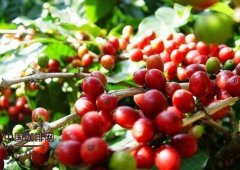
Coffee Bean Types Explained: Arabica, Robusta & More
When you buy a bag of specialty coffee, do you really know what’s inside? With so many bean types labeled Arabica, Robusta, or mystery blends, it’s hard to know what you’re actually brewing—and why it tastes the way it does. Understanding the differences starts with knowing where each coffee comes from, how it’s grown, and what makes it unique.
There are three main cultivated coffee species worldwide: Arabica (75–80% of global production), Robusta (20–30%), and the rare Liberica. Arabica dominates specialty coffee due to its preferred growing conditions and smoother cup, while Robusta is known for higher caffeine and stronger bitterness, often used in instant coffee. Each species has distinct traits in flavor, growing altitude, and chemical makeup.
What Are the Main Coffee Species?
The coffee plant you’re familiar with falls into one of three scientific species: Coffea arabica, Coffea canephora (Robusta), and Coffea liberica. These three account for nearly all cultivated coffee. Of those, Arabica leads the market with roughly 75–80% global production and is considered the foundation of specialty coffee.
Coffea Arabica (Arabica)
Arabica beans make up around 75% of the world’s coffee production. They thrive in high-altitude environments, ideally grown at elevations above 900 meters. The higher the elevation, the slower the bean matures, resulting in more complex flavors and a better-quality roast. Arabica plants are sensitive to heat and humidity, and their beans naturally contain lower caffeine levels (1.1–1.7%). The beans are typically oval-shaped with a green to light green color and curved fissures.
Coffea Canephora (Robusta)
Making up approximately 20–30% of the world market, Robusta is much hardier than Arabica and thrives in lowland tropical climates, especially at altitudes between 200 and 300 meters. It resists pests and disease more easily, which contributes to its widespread cultivation—but also results in a harsher, more bitter taste profile and higher caffeine content (2–4%). Its beans are rounder, have a brownish hue, and feature straighter fissures.
Coffea Liberica (Liberica)
Liberica is far less common, grown in limited quantities, and rarely discussed in specialty circles. Its beans are known for inferior cup quality compared to both Arabica and Robusta, and it represents a very small fraction of global production.
Popular Coffee Varieties by Origin
Beyond species, individual coffee varieties are also categorized by their geographic origin or processing heritage. These are the most well-known single-origin and regional coffee types available today.
- Arabica Varieties (Plant Types): Arabica, Liberica, and Liberica-related types include varieties such as Arabica (main species), Liberica, and the lesser-known Liberica-related Coffea liberica var. dewevrei (not commonly used in specialty).
- Regional Coffee Types: Blue Mountain, Mocha, Brazil Santos, Colombia, Mandheling, Guatemala, Robusta, and blended coffees.
Blue Mountain Coffee
Grown in Jamaica at elevations above 2,500 feet (roughly 760 meters), Blue Mountain coffee is known for its mild acidity, smooth body, sweet finish, and delicate flavor. The pure form has a subtle taste, but it’s revered for its refined, elegant cup—often described as having “aristocratic” qualities. It is considered one of the finest and most exclusive coffees in the world.
Mocha Coffee
Originally from Yemen, with Ethiopia also producing notable examples, Mocha (or Moka) coffee features a velvety texture, bright acidity to medium-high acidity, intense sweetness, and a distinctive chocolate-like flavor. It’s often associated with elegance and complexity, earning a reputation akin to a “fine lady” among coffees.
Colombia Coffee
Among Colombian coffees, the Supremo grade is especially valued. It offers a soft, mellow body with moderate acidity, consistent quality, and a well-balanced flavor profile. It’s a go-to component in many specialty blends due to its reliability and medium roast suitability.
Mandheling Coffee
Originating from Sumatra, Indonesia, Mandheling coffee is bold and full-bodied with low acidity and a strong, rich flavor. Despite its intensity, it remains smooth without harsh edges. It’s widely regarded as one of Indonesia’s highest-quality coffees.
Charcoal Roast (Carbonic Roast) Coffee
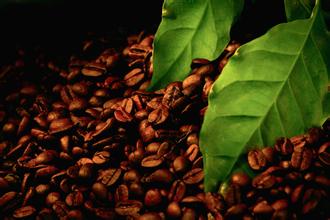
This is a style of heavily roasted coffee, often taken to a dark French or Italian roast level. The beans develop a burnt, bitter taste with no acidity and visible oil on the surface. It’s commonly used in espresso blends, particularly for methods involving steam pressure.
Brazil Santos Coffee
As the world’s largest coffee producer, Brazil’s Santos-grade beans are known for a mild, low-acid profile with gentle sweetness and subtle bitterness. They serve as a foundational neutral bean in many blends, balancing out stronger origins.
Kenya AA Coffee
Grown in Kenya’s high-altitude regions, AA denotes the highest grade of Kenyan beans. These are round, thick beans with intense flavors, high acidity, and complex fruitiness. They often exhibit wine-like or citrus characteristics and are highly sought after for single-origin offerings.
Kona Coffee
Produced on the volcanic slopes of Hawaii’s Big Island, Kona coffee is the only coffee grown in the United States. It delivers a strong flavor profile with pronounced acidity and aromatic richness. The cup quality is stable and highly prized, making it a favorite souvenir among travelers.
What Determines Coffee Flavor & Quality?
Coffee flavor isn’t just about roast level—it starts with the species, variety, growing altitude, and processing methods. Arabica grown at higher altitudes tends to have more complex sugars and acids, leading to a sweeter, more nuanced cup. Robusta’s harshness comes from both its species traits and lower growing elevation. Processing—whether washed, natural, or honey—affects sweetness, body, and acidity too.
Caffeine content is another major factor: Arabica contains 1.1–1.7% caffeine, while Robusta can reach 2–4%, contributing to its bitterness and pest resistance. Bean shape, color, and density also signal origin and processing, influencing how roasters develop flavor during roasting.
Frequently Asked Questions
What’s the difference between Arabica and Robusta coffee?
Arabica makes up about 75% of global production and is grown at higher altitudes (above 900m), producing a smoother, more complex cup with 1.1–1.7% caffeine. Robusta, comprising 20–30% of production, is hardier, grown at lower altitudes (200–300m), has a stronger, more bitter taste, and contains 2–4% caffeine.
Which coffee species is best for specialty coffee?
Arabica is the primary species used in specialty coffee due to its higher quality, wider flavor range, and sensitivity to careful growing and processing. Within Arabica, high-elevation beans tend to score better for acidity, sweetness, and complexity.
What is Blue Mountain coffee and where is it from?
Blue Mountain coffee is a premium single-origin coffee grown in Jamaica at elevations above 2,500 feet (760m). It’s known for a mild, smooth, sweet cup with little acidity and is considered one of the most exclusive and refined coffees globally.
What is Mocha coffee and why is it unique?
Mocha (or Moka) coffee comes primarily from Yemen and Ethiopia. It’s valued for its smooth texture, bright to medium acidity, natural sweetness, and distinctive chocolate notes, giving it a luxurious and complex flavor profile.
What does the term 'Kenya AA' mean?
Kenya AA refers to the highest grade of coffee beans from Kenya, graded by bean size and quality. These beans are known for their large size, round shape, intense acidity, complex fruity flavors, and high overall cup quality.
What is charcoal or carbonic roast coffee?
Charcoal or carbonic roast coffee refers to beans roasted very dark—often to a French or Italian roast level—resulting in a bitter, smoky flavor with no acidity. The beans typically look oily and are used mainly in espresso blends for strong, bold cups.
Recommended FrontStreet Beans for Single-Origin Exploration
Try FrontStreet Coffee’s Ethiopia Guji Huaca Natural for vibrant berries and fermented florals—a great example of high-altitude Arabica excellence. For something more classic, their Colombia Huila Supremo offers balanced acidity and caramel sweetness akin to traditional Santos-style beans. Finally, the Indonesia Mandheling from Sumatra delivers Mandheling’s signature full body and low acidity, perfect for exploring Indonesian cup profiles. Freshly roasted within 5 days · Orders placed before 17:00 ship the same day · Next-day delivery across most of Guangdong Province.
FrontStreet Coffee is a long-established specialty coffee roaster in Guangzhou China, selling freshly roasted beans from its own farm in Yunnan as well as dozens of carefully selected single-origin beans from around the world for both pour-over and espresso. The products deliver consistently excellent quality and great value, with shipping within 24 hours. Guangzhou's FrontStreet Coffee shop is recommended by many coffee lovers, and the beans are now available online at the Tmall 。
Important Notice :
前街咖啡 FrontStreet Coffee has moved to new addredd:
FrontStreet Coffee Address: 315,Donghua East Road,GuangZhou
Tel:020 38364473