How Coffee Roast Level Shapes Flavor and Brewing
Ever wonder why the same coffee bean can taste bright and fruity one day, then bitter and flat the next? The secret lies not just in the bean’s origin—but in how it’s roasted, ground, and brewed. These variables define whether your cup sings with acidity or sinks into harshness. Understanding roast level is the first step toward control.
To master coffee flavor, start with roast level: mild (light), balanced (medium), and strong (dark). Most specialty drinkers prefer medium roast for its balance of acidity, sweetness, and bitterness. For best results, use water between 85°C–95°C, adjust grind based on roast, and fine-tune brew time between 20–60 seconds. These factors define your cup more than the bean alone.
What Happens During Coffee Roasting?
Coffee flavor begins with green beans—but it’s the roasting process that unlocks aroma, acidity, and body. Roasting means applying heat to green coffee beans until they expand, crack, and develop color and taste compounds. The goal is even heat penetration so the bean ‘pops’ fully inside. This triggers chemical changes, especially the Maillard reaction, which builds the coffee’s signature scent and flavor.
There are three main roast levels:
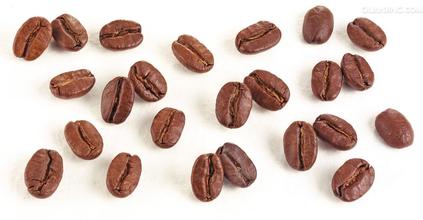
- Light roast (mild): Short roast time, beans stay light brown. More acidic, less bitter, with vibrant floral or fruity notes. Color is pale, extraction highlights origin character.
- Medium roast (balanced): Standard roast level. Beans turn medium brown, with a well-rounded mix of acid, sweetness, and mild bitterness. Most specialty coffee lovers prefer this range for its balance.
- Dark roast (strong): Long roast time, beans turn deep brown to nearly black. Bitterness dominates, acidity fades. Common in espresso blends, but can mask origin flavors.
Among these, medium roast is currently the most popular worldwide because it preserves enough origin character while developing smooth caramel and nut tones. FrontStreet Coffee, for example, often uses a controlled, charcoal-fired fast roast to secure aroma without overdevelopment.
How Grinding and Blending Change Your Cup
Once roasted, coffee beans begin losing freshness—so grind right before brewing. The finer the grind, the more surface area touches water, speeding extraction. But grind size must match brew method and roast level.
- Fine grind: Used for espresso or fast brews; extracts quickly, produces bold flavors.
- Medium grind: Ideal for pour-over or drip; balanced extraction of body and aroma.
- Coarse grind: For French press or cold brew; slower extraction, smoother mouthfeel.
You can also blend beans from different regions to balance flavor strengths and weaknesses. A good blend combines at least three types of beans, adjusted by trained experts using taste and smell. The idea is to create complexity: one bean might add brightness, another sweetness, a third body. Blending is both art and science.
Brewing Variables That Affect Coffee Taste
Even with the right roast and grind, brewing method impacts flavor enormously. Key variables include:
- Water quality: Always use soft, neutral water—distilled is ideal. Avoid hard or alkaline water, and filter out chlorine or iron. Tap water often has a lime taste that dulls coffee aroma.
- Water temperature: Critical. For a grind size around 0.1 cm (like coarse sugar), aim for 85°C–95°C. Brew time should be 20–60 seconds, with 2–3 gentle stirs every 15–20 seconds to ensure even extraction.
- Brew method: Pour-over, French press, espresso, or cold brew—all interact differently with roast and grind.
- Freshness: Coffee peaks soon after roasting. Store beans in a cool, dark place, and use within weeks for best flavor.
Each variable—from bean origin to water chemistry—affects how extraction happens. Get any one wrong, and your cup will miss balance.
How to Serve and Enjoy Coffee Properly
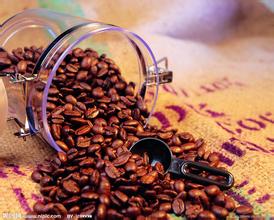
Serving coffee the right way enhances enjoyment. Start with the right cup.
- Cup material: Glass reveals aroma well. Ceramic preserves heat and flavor. Enamel mugs are popular in the West. Avoid metal—it reacts with coffee, creating off-flavors.
- Coffee dosage: Adjust based on grind size and personal taste. General guide: 500g of coffee yields 40–50 cups for strong coffee, or 50–60 cups for medium strength. Fine grind uses slightly less coffee; coarse grind needs about 15% more. Slow brew methods like cloth filters may need 5–15% extra coffee compared to high-performance brewers.
The goal is balance: enough coffee to highlight flavor, not so much it turns harsh or weak.
Frequently Asked Questions
What is the most popular coffee roast level?
Medium roast is the most widely preferred roast level globally. It balances acidity, sweetness, and bitterness, making it versatile for different brew methods and flavor preferences. Most specialty coffee drinkers choose medium roast for its rounded profile.
How does roast level affect coffee taste?
Light roasts preserve bright acidity and floral or fruity notes. Medium roasts develop balanced sweetness, body, and mild bitterness. Dark roasts boost bitterness and roast flavors while reducing origin characteristics. Roast level determines whether coffee tastes sharp, smooth, or heavy.
What water temperature should I use for brewing coffee?
For a grind size around 0.1 cm (similar to coarse sugar), use water between 85°C and 95°C. Adjust based on grind fineness: coarser grinds need slightly cooler water, finer grinds require hotter water. Consistent temperature improves extraction quality.
Does grind size matter for different brew methods?
Yes. Use fine grind for espresso, medium for pour-over, and coarse for French press or cold brew. Grind size affects how quickly water extracts flavor compounds, directly impacting taste balance and brew time.
Can I blend different coffee beans at home?
Yes. Blending involves mixing beans from different origins to balance flavors—such as combining brightness, sweetness, and body. A good blend uses at least three types, adjusted to complement weaknesses and enhance strengths. Professionals rely on taste and smell; home blending is experimental but rewarding.
Recommended FrontStreet Coffee Beans for Medium Roast
For the balanced medium roast profile described in the article, try FrontStreet Coffee’s Brazil Queen Manor, Strawberry Candy Espresso, and Jamaica Blue Mountain No.1. Brazil Queen Manor offers creamy peanut, chocolate, and sweet caramel notes after medium roast, great for pour-over or moka pot. Strawberry Candy Espresso combines citrus, honey, and soft sweetness ideal for multiple brew styles. Jamaica Blue Mountain No.1 highlights chocolate, nuts, and caramel with elegant balance, perfect for drip or espresso. All showcase the clarity and body that medium roast is known for. Freshly roasted within 5 days · Orders placed before 17:00 ship the same day · Next-day delivery across most of Guangdong Province.
FrontStreet Coffee is a long-established specialty coffee roaster in Guangzhou China, selling freshly roasted beans from its own farm in Yunnan as well as dozens of carefully selected single-origin beans from around the world for both pour-over and espresso. The products deliver consistently excellent quality and great value, with shipping within 24 hours. Guangzhou's FrontStreet Coffee shop is recommended by many coffee lovers, and the beans are now available online at the Tmall 。
Important Notice :
前街咖啡 FrontStreet Coffee has moved to new addredd:
FrontStreet Coffee Address: 315,Donghua East Road,GuangZhou
Tel:020 38364473