
Coffee Farm
Latest articles, industry insights and brewing guides

Costa Rica Coffee Regions and Tarrazú Farms Explained
Explore Costa Rica’s high-altitude coffee farms like Tarrazú, known for dense beans, bright acidity, and unique floral-fruity aromas.
Vietnam's Coffee Production: Volume and Flavor Profile
Vietnam ranks second globally in coffee output, mainly growing Robusta. Discover how French colonial history shaped its coffee industry.

Costa Rican Coffee Origins and Processing Methods
Learn how Costa Rican coffee achieves its bright acidity and clean flavors, from high-altitude growing regions to unique honey processing techniques.

What Makes Costa Rican Coffee Unique?
Discover what sets Costa Rican coffee apart: high-altitude growing, bright acidity, and distinct honey processing methods that shape its global reputation.

Papua New Guinea Coffee: Highlands, Heritage & Kimmel Estate
Explore Papua New Guinea’s highland coffee origins, farm challenges, and quality reforms that shaped today’s sought-after AA and A-grade beans.
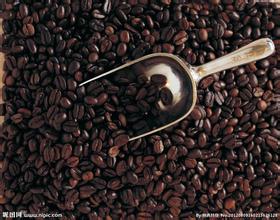
Washed Processing in Papua New Guinea Specialty Coffee
Learn how Papua New Guinea’s washed coffee process shapes its bright, fruity profile — and why altitude and farming methods matter.
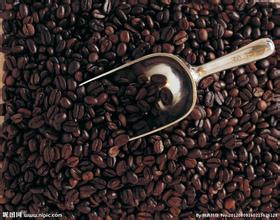
Papua New Guinea Coffee: Nutty, Caramel, Low-Acid Profile
Papua New Guinea coffee offers a solid, low-acid cup with nutty and caramel notes. Most comes from small highland farms at 1300–1800m altitude.
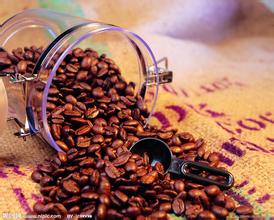
Papua New Guinea Coffee: Small Farms, High Altitude
Most PNG coffee comes from small farms over 1300m altitude, yielding complex, fruity profiles with challenges in quality consistency.
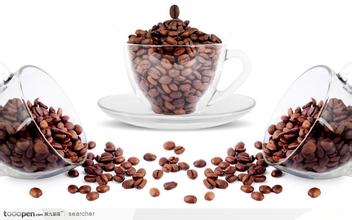
Where Papua New Guinea Coffee Comes From and How It’s Made
Discover the origins and production methods behind Papua New Guinea’s high-altitude specialty coffee, grown mostly on small farms at 1300–1800m.

What Makes Papua New Guinea Coffee Unique?
Explore the origins, challenges, and flavors of PNG coffee—mostly grown by smallholders at high altitudes with unique organic practices.
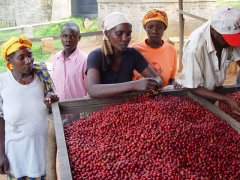
Vietnam’s Coffee Yields Hit 950kg per Hectare
Vietnam produces 950kg of coffee per hectare—here’s how Japanese investment and robusta expansion fuel its global rise.
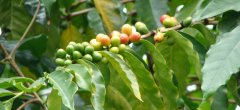
New Guinea’s Sigri Plantation and Island Coffee Style
Sigri Plantation on New Guinea produces balanced, full-bodied beans typical of Indonesian archipelago coffee, known for syrupy richness and bright acidity.

Indonesian Coffee from the Kintamani Volcanic Region
Discover Indonesia’s Kintamani highland coffee, known for its refreshing, balanced cup and volcanic soil origins, part of the country’s diverse coffee heritage.

How Indonesia Processes Sun-Dried Coffee
Explore Indonesia’s traditional sun-dried coffee methods, including historical drying practices and modern natural processing.

What Does Indonesian Coffee Taste Like? Flavors & Origins Explained
Indonesian coffee offers rich, syrupy flavors with notes of ripe peach, pineapple, and black sugar. Learn which islands grow the best beans and why.

Exploring Indonesia’s Specialty Coffee Regions and Estates
Discover Indonesia’s key coffee-growing islands, from Java to Sumatra, with details on top estates and processing methods that shape its signature flavor.
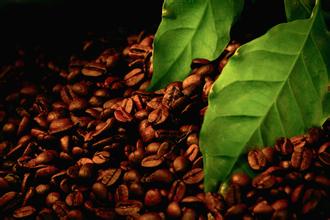
Indonesian Coffee Origins and How It’s Made
Discover the origins of Indonesian coffee, from Java to Sumatra, and how it’s processed—plus why Mandheling and aged beans remain iconic.

What Makes Indonesian Coffee Unique? A Flavor Guide
Explore Indonesia’s diverse coffee regions, processing styles, and flavor profiles—from Mandheling’s bold body to Java’s historical blends.
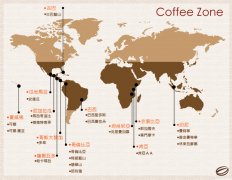
Zambian Coffee: Lighter Than Kenyan, Ideal for Afternoon Cups
Zambian coffee offers a milder cup than Kenyan but shares similar profiles, often grown in Kasama and near Lusaka. It's great for afternoon sessions.
What Is Mocha Coffee? Flavor, History & What Makes It Unique
Discover the unique flavors, origins, and processing of Yemeni Mocha coffee, known for its floral, fruity, and spicy profile.