
Coffee Culture
Latest articles, industry insights and brewing guides

How Chinese Research Institutes Helped Build the Yunnan Coffee Industry
Learn how China’s agricultural research institutes developed disease-resistant varieties and processing tech that made Yunnan coffee a global contender.

China’s Coffee Industry Peak: 1992–2008 Growth Milestones
From 1992 to 2008, China’s coffee industry scaled rapidly, with Yunnan producing 97% of the nation’s crop. Key investments, policies, and enterprises drove this boom.

How China’s Coffee Industry Restarted After 1978
After 1978’s reforms, China’s coffee sector revived—here’s how planting, production, and processing began again in Yunnan and beyond.

How China’s 1960s Macro Adjustments Crushed Coffee Growth
China’s coffee industry shrank drastically in the 1960s due to national policy shifts, disease, and political isolation. Here’s the full breakdown.

When Was China’s First Coffee Planting Boom?
China’s first major coffee boom happened between 1952 and 1961, peaking in the late 1950s with over 5,000 hectares planted nationwide.
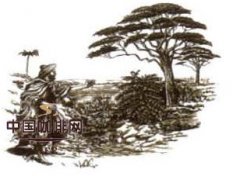
How Coffee Spread from Ethiopia to the Ottoman World
From Ethiopia to the Ottoman Empire, here’s how coffee traveled through history, from forbidden fruit to café staple.

How Coffee Spread Across Europe and the Americas
From its first mention in Europe in 1573 to New York’s first cup in 1668, here’s the detailed timeline of coffee’s global journey.

What Makes Jamaican Blue Mountain Coffee So Special?
Learn why Jamaican Blue Mountain coffee is rare, expensive, and uniquely balanced—with details on its strict production, climate, and export limits.

What Makes Turkish Coffee So Captivating?
Learn how traditional Turkish coffee is made, why it’s unfiltered, and the cultural rules around drinking it.

How to Add Sugar to Coffee Without Ruining It
Learn the proper way to add sugar to your coffee, including using a spoon or sugar tongs, stirring gently, and avoiding common etiquette mistakes.
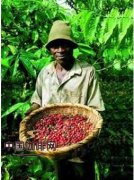
What Makes Colombian Coffee Unique in Specialty Coffee?
Colombian coffee is known for its balanced flavor, high quality, and meticulous farming. Discover why it’s a staple in premium blends and single origins.

Indonesian Mandheling Coffee: Flavor, History & Processing
Discover the bold, earthy flavors of Mandheling coffee from Sumatra, including its unique wet-hulled processing and the prized PWN Golden Mandheling.

How Organic Coffee Helped East Timor’s Economy
East Timor’s high-altitude arabica coffee makes up 50% of its national budget—here’s how organic farming and wet processing shaped its global reputation.

How Coffee Was First Discovered: The Ethiopian Legends
Learn the true origins of coffee in Ethiopia, from ancient legends to the global spread of the world’s favorite stimulant.

The Origins of Coffee: The Shepherd and Monk Legends
Learn how coffee began—from Ethiopian shepherds to Yemeni monks—through two key legends that shaped its global journey.

How Did Coffee Names Like Blue Mountain and Mocha Originate?
Find out why coffees are named after places like Jamaica or Kenya, and how grading systems define their quality and origin.

How Was Coffee First Discovered? The Ethiopian Legend Behind Your Cup
Learn how coffee was discovered 1,500 years ago in Ethiopia through the story of a goat herder and a curious monk.

How Coffee Spread Across Asia: A Historical Journey
Discover how coffee reached Asia through daring smuggling, colonial trade, and cultivation efforts starting in the 14th century.

Why Is It Called a Moka Pot? Plus How to Use One
Learn why the moka pot is named after the Yemeni port of Mocha, how it works, and how to brew strong, rich coffee at home with one.

What Makes Coffee Truly Suitable for Chinese Tastes?
Discover how Chinese coffee culture is evolving and what makes a cup truly suited to local palates, with expert insights on taste and market trends.