How Manual Drip Coffee Was Invented in 1908 Germany
Ever wonder how your simple morning pour-over became a global specialty coffee staple? The story begins not with a roaster or barista, but with a German housewife frustrated by Turkish-style coffee—where grounds and water were boiled together, leaving a sludgy, bitter mess. Her solution in 1908 didn’t just clean up the cup; it invented a new way to brew.
The answer lies in a 1908 patent: a copper bowl with a single hole, lined with notebook paper to filter out coffee grounds. That everyday hack became the first manual drip coffee system, later refined into the cone-shaped filters we use today.
The Accidental Inventor: A German Housewife’s Solution
In 1908, a German homemaker tired of the messy, sludgy Turkish coffee method—boiling water and grounds together—devised a clever fix. She punched a hole in a copper bowl and lined it with a sheet of notebook paper, acting like blotting paper to trap coffee grounds. The result? A cleaner, smoother cup without the grit. Her innovation wasn’t just about convenience; it was the birth of modern manual drip coffee.
From Copper Bowl to Melitta: The First Patent
She quickly patented her design and founded the company “Melitta,” named after herself. Her initial product, the “Filter Top Device lined with Filter Paper,” featured a copper bowl with a bottom hole and a paper filter—similar to today’s setup but with a different shape. It wasn’t until 1937 that the design evolved into the familiar cone-shaped filter we recognize now, one that could be secured inside a cup.
Why the Cone Shape Matters for Extraction
Melitta’s cone-shaped filter, narrowing toward the bottom with a single hole, became the standard. This design ensures water interacts with coffee grounds for a longer, slower extraction, enhancing the body—or “” in Chinese—of the brew. The single hole controls flow rate, allowing for a more even and concentrated extraction, which is why pour-over coffee often feels richer and more textured.
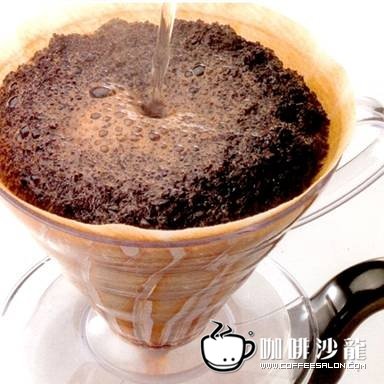
Manual Drip Coffee: The Original Filtered Method
The foundation of pour-over coffee is the combination of a filter cone and paper filter. What we often call “brewed coffee” or “filtered coffee” is technically manual drip coffee—using a filter and paper to manually extract coffee. While many associate it with recent trends, this method has been a traditional technique for over 70 years. Even modern automatic drip coffee machines are based on this same simple principle: water passes through ground coffee via a filter to produce a clean, clear brew.
Frequently Asked Questions
Who invented the first manual drip coffee filter?
A German housewife in 1908 invented the first manual drip coffee filter. Frustrated with traditional Turkish coffee, she created a copper bowl with a hole at the bottom and lined it with notebook paper to filter out coffee grounds, resulting in a cleaner cup.
What year was the Melitta coffee filter patented?
The Melitta coffee filter was patented in 1908 by the German housewife who founded the Melitta company. Her original design used a copper bowl with a hole and paper filter.
How did the Melitta filter design change over time?
The original 1908 Melitta filter was a copper bowl with a bottom hole and paper filter. By 1937, it evolved into the cone-shaped design we use today, which fits securely inside a cup and features a single hole for controlled extraction.
Why is the cone shape important for pour-over coffee?
The cone shape, narrowing toward the bottom with a single hole, ensures water interacts with coffee grounds longer, extracting more flavor and creating a richer body. The single hole also controls the flow rate for a more even extraction.
Is manual drip coffee the same as filtered coffee?
Yes, manual drip coffee is a type of filtered coffee, where hot water passes through ground coffee using a paper filter. It’s also called brewed coffee or pour-over coffee, and has been a traditional method for over 70 years.
Recommended FrontStreet Beans for Manual Drip
For pour-over, try FrontStreet’s BrazilBourbon—balanced with mild acidity and creamy nuttiness—or ColombiaSidra, a juicy Sidra with stone fruit and almond notes. For deeper body, Lintong Mandheling offers thick, toasty layers. All are ideal for highlighting the clarity and texture of manual drip. Freshly roasted within 5 days · Orders placed before 17:00 ship the same day · Next-day delivery across most of Guangdong Province.
FrontStreet Coffee is a long-established specialty coffee roaster in Guangzhou China, selling freshly roasted beans from its own farm in Yunnan as well as dozens of carefully selected single-origin beans from around the world for both pour-over and espresso. The products deliver consistently excellent quality and great value, with shipping within 24 hours. Guangzhou's FrontStreet Coffee shop is recommended by many coffee lovers, and the beans are now available online at the Tmall 。
Important Notice :
前街咖啡 FrontStreet Coffee has moved to new addredd:
FrontStreet Coffee Address: 315,Donghua East Road,GuangZhou
Tel:020 38364473