
Coffee Knowledge
Latest articles, industry insights and brewing guides
How Sawtooth Burr Grinders Deliver Consistent Coffee Grinds
Sawtooth burr grinders produce uniform coffee grounds quickly and reliably, though they cost more. Learn how grind size settings and timing affect your brew.
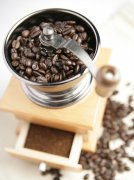
Hand-Crank Coffee Grinders: Why They Still Matter
Hand-crank grinders produce uniform, low-heat grounds ideal for pour-over brewing. Learn their key benefits, limitations, and how to adjust grind size.

Spiral Blade Coffee Grinders: Pros, Cons & How to Use Them
Spiral blade grinders are cheap and compact but produce uneven, heated grounds. Here’s why they’re rarely used by specialty coffee pros.
How to Grind Coffee for the Right Brew Method
Master coffee grind sizes—fine, medium, and coarse—and match them to your brewing device for the best extraction.

The 4 Principles of Coffee Grinding for Better Extraction
Learn the four key rules for grinding coffee: right grind size, low heat, uniform particles, and fresh grinding just before brewing.
Global Coffee Roast Preferences by City
Discover how Tokyo, New York, Vienna and other cities prefer their coffee roasted—from medium-dark to French and Italian styles.

Understanding Coffee Roast Levels and Their Flavor Profiles
Learn how roast levels affect coffee flavor — from light to dark — and which beans suit each for balanced taste.
How Coffee Roasting Works: Stages and Key Characteristics
Understand the three key stages of coffee roasting—drying, Maillard reactions, and cooling—and how they shape flavor.
How Coffee Roast Preferences Vary Around the World
Explore global coffee roast trends—from Tokyo’s medium-dark preference to Vienna’s deep roasts—and learn which beans thrive or suffer under different heat.
What Happens Chemically During Coffee Roasting?
From light to dark roast, learn how heat transforms green coffee through chemical reactions like Maillard and how this shapes acidity, sweetness and aroma.

How to Roast Coffee Beans with a Handheld Filter
Learn how to roast 100g of green coffee beans using just a handheld filter and gas stove, from first crack to cooling — with timing and tips.
Essential Equipment for Specialty Coffee Roasting
Discover the key equipment needed for professional coffee roasting, from dedicated roasting rooms to cooling systems and ventilation.

What Is Extra Dark Roast Coffee?
Extra dark roasts like Dark French and Heavy feature smoky bitterness. Learn which beans hold up and where this style originated.
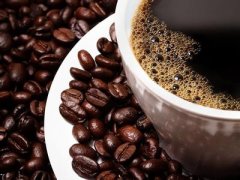
What Is Deep Roast Coffee and How Is It Used?
Deep roast coffee includes French, Italian, and Vienna styles. Learn how extended roasting creates bold flavors, lower caffeine, and ideal espresso bases.
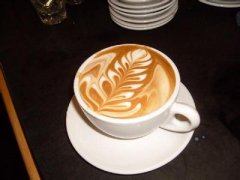
What Is Medium Roast Coffee and How Does It Taste?
Medium roast coffee balances acidity and body, peaks at 10–11 minutes, and highlights origin flavors—ideal for single origins like Brazil and Colombia.
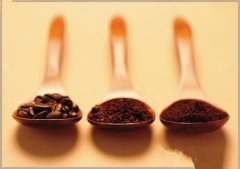
What Is Light Roast Coffee? Key Facts Explained
Light roast coffee features bright acidity, subtle floral or fruity notes, and is typically roasted to a cinnamon color. Learn how it differs from darker roasts.
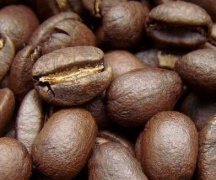
How Roasting Determines 80% of Coffee Flavor
Roasting transforms green beans into aromatic coffee. Learn how heat, timing, and cooling shape flavor, aroma, and body.
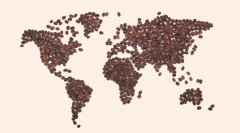
Three Key Factors That Define a Great Cup of Coffee
A great cup depends on three fundamentals: high-quality green beans, expert roasting, and precise brewing. Master all three for consistently excellent results.
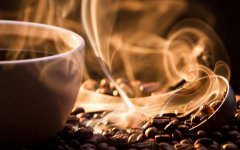
What Is Coffee Roasting and How Does It Work?
Learn how coffee roasting transforms green beans into flavorful cups through heat-driven chemical changes, roast levels, and flavor development.

Blend First or Roast First? Coffee Blending and Roasting Order Explained
Learn whether to roast coffee beans individually or together before blending. Most roasters blend after roasting, but testing blends may require separate roasts.