
Coffee Knowledge
Latest articles, industry insights and brewing guides

Worldwide Coffee Roast Preferences Explained
Discover how regional roasting styles shape coffee flavor—from Tokyo’s medium-dark to Vienna’s deep roast and beyond.

What Happens Chemically During Coffee Roasting?
From light to dark roast, chemical reactions transform green beans into aromatic coffee. Discover the temperatures and processes behind acidity, sweetness, and bitterness.

How to Roast Coffee Using a Handheld Mesh Pan
Learn how to roast 100g of green coffee beans using a handheld mesh pan with step-by-step guidance, timing, and tips for beginners.

What Is Dark Roast Coffee? Flavor, Origins & Process
Dark roasts like Dark French and Heavy feature bold bitterness, low acidity, and smoky notes. Learn which beans work best and why over-roasting kills origin character.

What Is Dark Roast Coffee? French, Italian & Continental Styles
Dark roast coffee includes French, Italian, and Continental styles. Italian espresso is typically made with dark-roasted beans for bold flavor and lower caffeine.

What Is Medium Roast Coffee and How Is It Done?
Medium roast, also called city or American roast, balances acidity and sweetness. It typically takes 10–11 minutes and yields an elegant brown color ideal for single origins like Colombian or Brazilian beans.
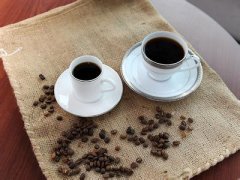
What Is Light Roast Coffee? Key Traits Explained
Light roast coffee features bright acidity, subtle floral and fruity notes, and a light cinnamon hue. Learn why it’s ideal for showcasing origin character.

How Roasting Shapes 80% of Your Coffee’s Flavor
Roasting transforms green coffee beans into aromatic, flavorful shots. Here’s how heat, time and technique create 80% of what you taste.

What Makes a Great Cup of Coffee? 3 Key Factors
Great coffee depends on three essentials: high-quality green beans, skilled roasting, and proper brewing. Master these for consistently excellent results.

What Happens During Coffee Roasting? Principles Explained
Learn how coffee roasting transforms green beans into aromatic, flavorful coffee through heat-driven chemical changes, including first and second crack.

Blend First or Roast First? Coffee Blending & Roasting Order
Roast then blend is simplest for fixed recipes; blend then roast works best for testing ratios. Independent roasting helps fine-tune components.

Why Specialty Coffee Roasters Blend Beans
Blending coffee isn’t just about cost savings. Here’s when and why skilled roasters combine single origins to achieve better flavor.

The Six Roast Levels of Specialty Coffee Explained
Explore the six key stages of coffee roasting—from light to dark—and how each impacts flavor, acidity, and roast appearance.

Acids in Roasted Coffee: Types and How Roast Level Affects Them
Learn which acids dominate in light vs dark roasted coffee, how they change with roast degree, and why pH alone doesn’t define coffee’s acidity.

The Four Coffee Roast Levels Explained
Learn the four standard coffee roast levels: light, medium, dark, and extra-dark. Discover how each affects flavor, acidity, and aroma.

The Science Behind Specialty Coffee Roasting
Learn how heat transfer—conduction, convection, and radiation—affects coffee roasting, and avoid common pitfalls in the roast profile.

How to Define Coffee Roast Levels by Agtron Numbers
Learn how US coffee pros use Agtron numbers—from 70+ for light roasts to under 35 for dark—to precisely define roast levels and flavor profiles.

Should You Store Coffee Beans in the Fridge?
Storing coffee in the fridge may seem logical, but frequent temperature changes can ruin freshness. Here’s how to properly preserve your beans.

How to Choose a Home Coffee Grinder
Find the best home coffee grinder by focusing on burr type, grind consistency, speed, and adjustability. Avoid cheap blade grinders for better coffee.

How to Roast and Blend Coffee Beans for Different Flavors
Learn how to select, roast, mix, and package coffee beans to create balanced, flavorful brews. Step-by-step guide with exact timings and ratios.