Tuesday, September 8, 2026 · Leading English Source for Global Coffee Industry

Coffee Knowledge

Latest articles, industry insights and brewing guides
The Economic value of cultivated Coffee

The Economic value of cultivated Coffee

Coffee is the second largest raw material product after international trade relay oil, and it is also one of the largest tropical food raw materials in the world. Coffee is most commonly used as a drink, and coffee consumption is the largest among the three largest drinks in the world. At present, there are hundreds of kinds of coffee-based foods, which are favored by consumers because of their convenience and nutrition. Because coffee contains starch and fat

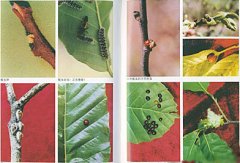
Common Coffee Diseases and pests in Coffee cultivation and Control methods

Common Coffee Diseases and pests in Coffee cultivation and Control methods

It is distributed in all coffee producing areas in the world, and it also occurs in Yunnan, Guangxi and Hainan Island in China. It is one of the major pests of coffee. Coffee longicorn beetles, which damage the coffee trunk by larvae for more than 2 years, initially eat between the cambium and xylem, and then eat (1) pest control. 1. Coffee tiger longicorn beetles are distributed in all coffee producing areas in the world. Yunnan, Guangxi and Hainan, China

The planting of bourbon Coffee Tree, the original species of Coffee

The planting of bourbon Coffee Tree, the original species of Coffee

Variety: bourbon related: original species Origin: bourbon Island grows best: 800 meters and above types: primitive species are more common: suitable for coffee cultivation around the world the main colors: red and orange, but mainly red fruit size: common leaves from the characteristics: wide, short plants: primitive species pay special attention: bourbon species native to Bourbon Island or Ethiopia, easy

Effect of open source altitude of coffee bean flavor on coffee flavor

Effect of open source altitude of coffee bean flavor on coffee flavor

The influence of geographical location on the flavor of coffee beans is profound. All coffee grows in the tropics, and the altitude at which it grows has a profound effect on the taste of coffee. The tropical belt extends from 30 degrees north latitude to the equatorial regions of the southern mountains that produce the world's truly high-quality Arabica coffee. Central and South America, South Asia and some Pacific islands, south-central Africa is also the most important in the world.

How to convert coffee grounds into horticultural compost

How to convert coffee grounds into horticultural compost

How to turn coffee grounds into horticultural compost: coffee is also an agricultural product. Although it goes through the process of baking, the basic quality remains the same, it is also suitable for composting, and there is no imagined composting flavor. Dry composting: put the coffee grounds on the balcony, stir it every day, and put it into the pot after about 10 days. Wet composting: put the coffee grounds on the balcony and leave it moldy for a few days.

China Coffee Farm Lujiang Coffee Farm in Yunnan

China Coffee Farm Lujiang Coffee Farm in Yunnan

Lujiang Farm is located in the west of Yunnan Province, 24952515 north latitude and 98839888 east longitude. The altitude is 6801000 meters. Under the jurisdiction of Longyang District, Baoshan City, adjacent to Lujiang Town and Mangkuan Dai and Yi Township, 542km east to Kunming, capital of Yunnan Province, 120km west to Myanmar Banwa, highway through farm to Kunming, national secondary highway directly to Myitkyina of Myanmar, transportation is very convenient, air

Introduction to the flavor of world-famous boutique coffee beans

Introduction to the flavor of world-famous boutique coffee beans

At present, there are so many kinds of coffee beans imported from all over the world that there is no choice. Here we will introduce the main producing areas and the characteristics of coffee beans as a reference for the selection and purchase of coffee. ■ Brazil (South America), the largest coffee producer, accounts for 1/3 of the global consumption of coffee of all grades and types, and has a place in the global coffee market, although Brazil

Coffee producers enter the secret

Coffee producers enter the secret "coffee tribes" of the Mekong River.

The primitive jungle of the Mekong River, which obscures the sun, is pregnant with strange animals and plants with different personalities. Seemingly mundane journey, often the next second there will be a new surprise. Yesterday, by chance, a scientific research team broke into a coffee village that lived in seclusion in the jungles of southern Laos and where locals could not be found. The naked villagers produce the world's top coffee in an almost primitive way.

The coffee producing area of Puerto Rico.

The coffee producing area of Puerto Rico.

In 1736, coffee trees were introduced from Martinique to PuertoRico. Most of the early coffee was grown by immigrants from Corsica. Coffee farms were once prosperous in the 19th century, but the rise of sugarcane and crop farming and the impact of hurricanes and wars made the coffee industry lag behind and is now recovering. The origin of coffee in Puerto Rico: Puerto Rico is the most

The coffee producing area of Indonesia.

The coffee producing area of Indonesia.

In the mid-17th century, coffee trees were introduced to Indonesia by the Dutch (some official sources believe that earlier). The first batch of coffee from Java was sold to Amsterdam in 1712. However, coffee trees in all plantations were destroyed by coffee rust in 1877, and Robart coffee trees had to be introduced from Africa to replace the original species. Today, only 6% of the coffee beans and 10% of the coffee beans are Arab.

Global Coffee producing area in Kenya

Global Coffee producing area in Kenya

In 1878, the British landed coffee in Africa and set up a coffee plantation in Kenya in the 19th century, when Ethiopian coffee drinks were imported to Kenya through southern Yemen. But it was not until the early 20 th century that the Bourbon Coffee Tree was saint. The Austin Mission (St.AustinMission) was introduced. Origin of coffee in Kenya: most coffee in Kenya (Kenya) grows at 1500 above sea level

The coffee producing area of Hawaii.

The coffee producing area of Hawaii.

Hawaii (Hawaii) after nearly two centuries of efforts to grow coffee, the term Kona is almost synonymous with "quality". Hawaii has superior geographical conditions for growing coffee, but historically, the road to growing coffee has been rugged since coffee trees were first introduced to the island in 1825. Even today, it's beyond human control.

Feb 16, 2015 118 views #Global #Coffee #Origin #Hawaii
A global coffee producer in Costa Rica.

A global coffee producer in Costa Rica.

Coffee was introduced into Costarica from Cuba in 1729. Today, its coffee industry is one of the most well-organized industries in the world. Costa Rica, with its fertile volcanic soil and good drainage, is the first country in Central America to grow coffee and bananas for commercial value. Coffee and bananas are the country's main exports. Coffee from Costa Rica

Global Coffee producing area in Yemen

Global Coffee producing area in Yemen

Before the 6th century AD, Yemen was called Arabia, so coffee trees shipped from Yemen to other places were also called Arabian coffee trees. But the origin of these trees is Ethiopia. Yemen is the first country in the world to produce coffee on a large scale as a crop. Today, coffee farmers in Yemen still use the same method to produce coffee as they did 500 years ago.

Feb 16, 2015 174 views #Global #Coffee #Origin #Yemen
The coffee producing area of Jamaica.

The coffee producing area of Jamaica.

Almost everyone in Jamaica knows that Blue Mountain Coffee is the most expensive coffee in the world. In 1725, Sir SirNicholasLawes brought the first Blue Mountain Coffee species from Martinique to Jamaica and planted them in the St.Andrew area. Coffee producing area of Jamaica: today's St. Andrews is still Blue Mountain Coffee.

Global coffee production Ethiopia coffee production

Global coffee production Ethiopia coffee production

The coffee tree originated in Ethiopia, where it was originally a wild plant, and the name coffee comes from the Ethiopian town of Kaffa. Humans probably knew how to cultivate coffee trees as early as the 9th century. Ethiopia's coffee growing area: Ethiopia's many coffee trees are still wild plants, this coffee tree grows coffee particles full

Feb 16, 2015 111 views #Global #Coffee #Origin #Ethiopia
A global coffee producer in Colombia.

A global coffee producer in Colombia.

Coffee was first introduced to Colombia in 1808 when it was brought by a priest from the French Antilles via Venezuela. Today the country is the second largest producer after Brazil. Colombian coffee origin: Colombian coffee is one of the few original coffee sold in the world under the name of the country. In terms of quality, it can't get any other coffee.

Feb 16, 2015 155 views #Global #Coffee #Origin #Colombia
The coffee producing area of Guadeloupe.

The coffee producing area of Guadeloupe.

These islands in the Caribbean used to be an important producer of coffee. In 1789, more than 1 million coffee trees on 500 hectares of land produced 4000 tons. Today, only 150 hectares of land is used to grow coffee. Coffee producing area of Guadeloupe: Guadeloupe used to be the best producer of coffee, but now it is no longer exported. The characteristics of Guadeloupe Coffee

A global coffee producer in Martinique.

A global coffee producer in Martinique.

Martinique is a small island and the birthplace of coffee in Central America, but it produces very little coffee today. The first coffee tree in the Western Hemisphere was brought from France by GabrielMathieudeClieu in the early 1820s. In his early years as a naval officer in Martinique, Dirkley brought back a coffee tree and planted it in Prech