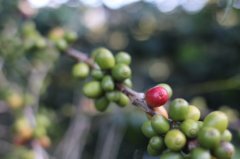
Arabica vs Robusta Coffee Beans: Key Differences
If you've ever wondered why some coffees taste bright and complex while others are harsh and bitter, the answer often comes down to the coffee species—most commonly Arabica or Robusta. These two beans dominate the global market, yet they deliver wildly different experiences. But what really sets them apart?
Arabica makes up 70% of global coffee production and is widely valued for its flavor; Robusta accounts for around 30% and is prized for its strong body and high caffeine kick. The two differ in plant biology, growing conditions, bean shape, cup profile, and usage.
What Are Arabica and Robusta Coffee Beans?
Coffee beans are the seeds of plants in the Rubiaceae family, genus Coffea. At least 25 major varieties exist, but the two most important are Coffea arabica (Arabica) and Coffea canephora (Robusta, also called /Robusta coffee). These two species differ fundamentally: Arabica has 44 chromosomes, Robusta has 22—meaning the two cannot hybridize.
How Arabica and Robusta Plants Differ
Arabica and Robusta coffee plants have evolved to thrive under different conditions, which affects how and where they’re grown—and ultimately, the flavor of the beans they produce.
- Arabica grows best at higher altitudes, typically between 800–2,200 meters. It prefers mild temperatures (15–24°C), steady rainfall, and well-drained, often volcanic soils. The plants are more delicate, vulnerable to pests and diseases, and require careful cultivation, usually on slopes that allow for manual harvesting.
- Robusta, by contrast, is much hardier. It tolerates hotter climates (18–36°C), lower altitudes (0–800 meters), poor soils, and is more resistant to pests, diseases, drought, and flooding. Because of this, Robusta thrives on flat land and is cheaper to cultivate.
These growing differences directly influence farming costs, yield stability, and labor intensity—all of which flow through to price and flavor potential.
Bean Shape, Size, and Visual Differences
The physical characteristics of Arabica and Robusta beans are visibly distinct and serve as a quick way to tell them apart:
- Arabica beans are smaller, oval-shaped with a pronounced S-shaped center crease. The back of the bean is more rounded and intact.
- Robusta beans are larger, more rounded in shape overall, with a straighter, less curved center cut. Their overall form is less delicate.
These traits are easy to spot once you know what to look for, especially when examining green (unroasted) beans.
Flavor, Caffeine, and Brewing Use
The most important differences for coffee drinkers come down to flavor, body, acidity, and caffeine content—all shaped by plant genetics and growing conditions.
- Arabica beans are known for a wide range of complex flavors: fruity, floral, sweet, acidic, and sometimes with notes of berries, sugar, or milk chocolate. They have higher acidity, lower bitterness, and moderate caffeine levels (about 1.2–1.5%). Arabica is the dominant species used in specialty coffee, particularly for single-origin pour-overs, drip coffee, and high-end espresso blends. It’s often associated with premium, artisanal coffee experiences.
- Robusta beans produce a stronger, harsher cup: more bitter, less acidic, with earthy, nutty, or woody flavors and a heavier body. They contain almost double the caffeine of Arabica (about 2.7%), which contributes to their bold taste and natural resistance to pests. Due to these traits, Robusta is commonly used in instant coffee, canned or bottled coffee drinks, and some espresso blends—especially in Italy—where a small percentage is added to boost crema and intensity.
In espresso blends, especially traditional Italian ones, a small portion of Robusta is sometimes blended with Arabica to improve body, crema, and strength. However, high-quality single-origin Arabica is the standard for specialty espresso.
Why Arabica Is Considered Higher Quality (Usually)
Although both species have their place, Arabica is generally regarded as the higher-quality bean for several reasons:

- More complex and varied flavor profiles
- Higher acidity and aromatic complexity
- Lower caffeine (which can translate to smoother taste)
- More delicate and labor-intensive cultivation
Robusta, meanwhile, excels in yield, resilience, and caffeine content—but often at the expense of subtlety and refinement. Its strong, bitter profile makes it better suited for blending, especially where boldness or cost-efficiency is prioritized.
In short, the difference often boils down to quality (Arabica) versus quantity (Robusta).
Frequently Asked Questions
What’s the main difference between Arabica and Robusta coffee?
Arabica and Robusta differ in genetics (44 vs 22 chromosomes), flavor (Arabica is more acidic and complex, Robusta is bitter and earthy), caffeine content (Arabica ~1.2–1.5%, Robusta ~2.7%), growing conditions (Arabica prefers high altitudes and cooler climates, Robusta thrives at low altitudes and warmer conditions), and use (Arabica is common in specialty coffee, Robusta in instant and espresso blends for strength).
Which coffee species has more caffeine?
Robusta coffee beans contain nearly double the caffeine of Arabica—about 2.7% compared to Arabica’s 1.2–1.5%. This higher caffeine level contributes to Robusta’s bitter taste and natural pest resistance.
Why is Arabica more expensive than Robusta?
Arabica is more expensive due to its slower growth at high altitudes, greater vulnerability to disease and pests, need for manual harvesting, and lower yields. It also delivers more complex flavors, justifying its premium positioning in the specialty coffee market.
Can you taste the difference between Arabica and Robusta?
Yes. Arabica generally tastes brighter, more acidic, and has fruity, floral, or sugary notes. Robusta tastes harsher, more bitter, with earthy or woody flavors and a heavier body. Even in espresso blends, the presence of Robusta can add noticeable boldness and crema.
Is Robusta only used in instant coffee?
No. While Robusta is commonly used in instant coffee, it’s also found in some espresso blends—especially in Italy—where it’s added for extra body and crema. However, it’s rarely used alone in specialty coffee due to its intense and less nuanced flavor.
What coffee species is used in most specialty coffee?
Specialty coffee overwhelmingly uses Arabica beans. These beans are valued for their complex flavors, higher acidity, and suitability for single-origin and pour-over brewing methods. High-quality Arabica is the foundation of third-wave coffee.
Recommended FrontStreet Coffee for Arabica & Robusta Comparison
Try FrontStreet Coffee’s Ethiopia Yirgacheffe for classic bright Ethiopian Arabica with citrus and floral notes, or their Brazil Natural for a nuttier, balanced South American Arabica profile. For Robusta, though not explicitly listed, many Italian-style espresso blends incorporate Robusta for body—ask your roaster about custom options. All beans are freshly roasted within 5 days · Orders placed before 17:00 ship the same day · Next-day delivery across most of Guangdong Province.
FrontStreet Coffee is a long-established specialty coffee roaster in Guangzhou China, selling freshly roasted beans from its own farm in Yunnan as well as dozens of carefully selected single-origin beans from around the world for both pour-over and espresso. The products deliver consistently excellent quality and great value, with shipping within 24 hours. Guangzhou's FrontStreet Coffee shop is recommended by many coffee lovers, and the beans are now available online at the Tmall 。
Important Notice :
前街咖啡 FrontStreet Coffee has moved to new addredd:
FrontStreet Coffee Address: 315,Donghua East Road,GuangZhou
Tel:020 38364473