
Coffee Knowledge
Latest articles, industry insights and brewing guides

How to Pair Coffee with Food: Flavor Matching Guide
Learn which coffee styles best match sweet, savory, and chocolatey dishes—with exact roast and origin recommendations for every course.

What Are the Key Coffee Tasting Terms in Specialty Coffee?
Learn the essential coffee tasting terms like acidity, body, bitterness, and more, explained clearly for specialty coffee drinkers.
What Is Fair Trade Coffee and Does It Work?
Fair trade coffee guarantees farmers a minimum price, but does it solve their problems? Learn how it works, its limits, and better alternatives.

What Is Hand Sorting in Specialty Coffee?
Hand sorting removes defective beans before and after roasting. It’s essential to avoid off-flavors and ensure a clean cup.

What Is Rainforest Alliance Coffee Certification?
Learn what the Rainforest Alliance certification means for coffee: environmental protection, farmer welfare, and sustainable farming practices.

What to Do With Used Coffee Grounds After Brewing
Used coffee grounds aren’t trash—they can deodorize, absorb moisture, and even help exfoliate. Here’s how to reuse them after brewing.

What Is the Coffee Belt and Where Does Coffee Grow?
The coffee belt spans the tropics between the Tropics of Cancer and Capricorn. Learn which regions grow coffee and why elevation and climate matter.

The Chemistry of Coffee: Key Compounds Explained
Explore the major chemical compounds in coffee — caffeine, tannins, fats, sugars, and more — and how they shape flavor, aroma, and body.
How to Store Coffee Beans for Maximum Freshness
Keep your coffee fresh longer: store beans in a cool, dry place—never the fridge—and freeze only with care to avoid moisture damage.
How to Read Specialty Coffee Labels Like a Pro
Learn how to decode coffee bag labels—origin, roast level, processing—and understand what each detail tells you about your beans.
How to Taste Specialty Coffee in Three Steps
Learn how to properly taste specialty coffee in three simple steps: smell, observe, and sip for a richer coffee experience.

What Makes Each Coffee Origin Unique? Flavor Profiles by Region
Explore the distinct flavor profiles and ideal roast levels of coffee from Brazil, Colombia, Ethiopia, Kenya, and 12 other global origins.

The Pros and Cons of Drinking Coffee, Backed by Facts
Coffee can boost energy and aid digestion, but may harm digestion, bone health, and pregnancy. Here’s what science and experience say.

12 Key Factors That Affect Your Espresso Shot
Discover the 12 critical elements—from grind size to machine cleanliness—that determine the quality of your espresso extraction.

How Different Origins Shape Specialty Coffee Flavors
Explore how climate, soil, and processing create unique flavor profiles in Arabica coffee from major global origins.
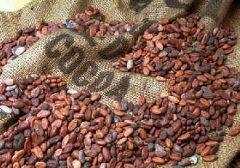
How to Grind Coffee Beans for the Best Brew
Learn the right grind size for your brewing method and why fresh-ground coffee tastes better. Includes tips on avoiding common mistakes.
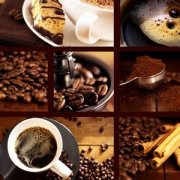
Coffee Roast Levels Explained: From Light to French
Learn how light, medium, dark, and French roasts affect coffee flavor, acidity, and aroma. Discover which roast suits your taste.
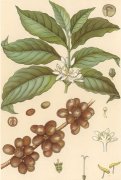
The Main Types of Specialty Coffee Explained
Learn the key coffee species and varieties behind specialty coffee, including Arabica, Liberica, Excelsa, and their most important cultivars.
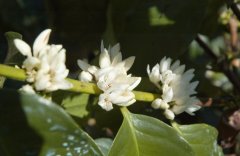
Where Does Coffee Bean Aroma Actually Come From?
Coffee’s signature aroma starts with flowering, fruit development, and careful processing. Roasting then unlocks its full fragrance potential.
What Is Chicory Coffee? The Historic Coffee Substitute
Chicory root is roasted and used as a coffee alternative, often blended at up to 30% with coffee. It’s caffeine-free but rich in roasted flavors.