
Coffee Knowledge
Latest articles, industry insights and brewing guides
What Are Hard Bean and Soft Bean Coffee?
Hard bean and soft bean refer to how altitude affects coffee flavor. Learn which grows where and why it matters for taste.
What Is Wet-Processed Coffee? Specialty Coffee Explained
Wet-processed coffee, also called washed coffee, is processed while the beans are still moist. This method boosts acidity and clarity—key traits in top global coffees.
What Are Peaberry Coffee Beans? Specialty Facts
Peaberry coffee beans are rare, round single seeds found in coffee cherries. They’re sorted separately, often fetching premium prices, especially in Japan.

What Is Bourbon Coffee? Specialty Coffee Origins Explained
Bourbon coffee is a classic Arabica variety that originated on Réunion Island, now widely grown at 1,000–2,000m in Latin America and Africa.

What Is Shade-Grown Coffee?
Shade-grown coffee is cultivated under tree canopies for better flavor and biodiversity. Most top Central American coffees come from shaded farms.

What Is Monsoon Coffee? The Indian Specialty Process Explained
Monsoon coffee is aged in open warehouses during India’s rainy season, reducing acidity and boosting body through prolonged moisture exposure over 12–16 months.
What Is Caffeine? The Natural Stimulant in Your Coffee
Caffeine is a natural compound found in over 100 plants like coffee, tea, and kola nuts. Learn where it comes from, how much is in your drink, and how your body uses it.
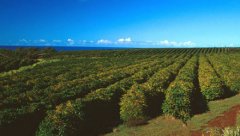
What You Need to Know About Coffee Trees
Learn where coffee trees come from, how they grow, and what makes coffee beans special. Discover species, processing, and roast impacts.

How to Read Specialty Coffee Bean Names
Learn why coffee bean names are long and complex, and how to decode terms like single origin, blend, and roast level.
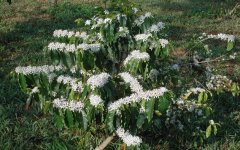
How Coffee Trees Flower and Fruit: A Specialty Grower’s Guide
Learn how coffee trees bloom, what affects flowering, and how long it takes before coffee cherries form—key insights for growers and curious drinkers.

How Espresso Art Is Created Through Milk and Crema
Espresso art relies on the interaction of two stable foams: microfoam from milk and crema from espresso. These layers mix slowly, preserving latte art patterns.

How to Do Latte Art: Free Pour and Etching Techniques
Latte art comes in two main styles: free pour and etching. Free pour creates designs while pouring milk; etching adds detail afterward with tools.
What Determines Coffee Flavor by Country of Origin?
Explore how climate, soil, and processing shape the unique flavor profiles of single-origin Arabica coffees from around the world.
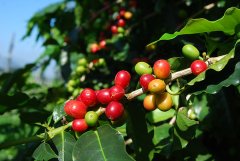
The Three Main Coffee Tree Species Explained
Learn which three coffee species dominate the world—Arabica, Robusta, and Liberica—and why each behaves differently in taste and growing conditions.
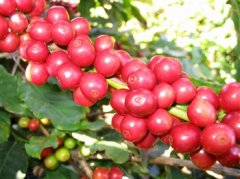
World’s Major Coffee Origins Explained
Discover the major coffee-growing regions and their signature beans, from Ethiopia and Colombia to Java and Kona.

What Makes a True Irish Coffee So Addictive?
Learn what defines a real Irish Coffee, from its legendary origin story to the perfect balance of whiskey, coffee, and sugar.
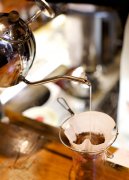
How to Taste the Nuances in Single-Origin Pour-Over Coffee
Learn how to brew and appreciate single-origin pour-over coffee with precision, from grind size to water temperature, for a refined sensory experience.
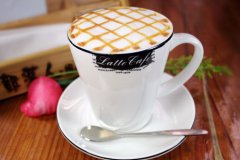
How to Drink a Macchiato: Espresso with Just a Dash of Milk Foam
A Macchiato is one-third the size of a cappuccino and topped with just milk foam—no steamed milk—preserving bold espresso flavor. Here’s how to enjoy it right.
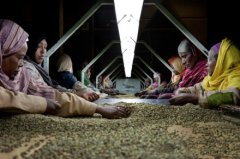
How to Identify Good Specialty Coffee
Learn what makes a great cup of coffee: rich aroma, balanced flavors, no off-notes, and a lasting finish. Here’s how to spot quality.
What Do the Labels on Specialty Coffee Bags Mean?
Learn what country, port, variety, grade, and exporter names on coffee bags really tell you — and why they matter for flavor and quality.