How Coffee Trees Flower and Fruit: A Specialty Grower’s Guide
Coffee lovers rarely see the first chapter in their cup’s story—but if you’ve ever wondered how those bright red coffee cherries begin, it all starts with an explosion of delicate white blooms. Every spring, coffee trees erupt in flowers, their scent filling the air briefly before fading. What dictates when these flowers appear? How long until they turn into fruit? And what separates a healthy coffee blossom from one that won’t set fruit at all?
Coffee trees flower once or multiple times per year depending on variety and climate. Flowering typically begins 3–8 months before fruit develops, with peak blooming periods ranging from November to June in tropical regions like Hainan. On average, it takes 7–9 months from flower to ripe cherry.
What Does a Coffee Flower Look Like?
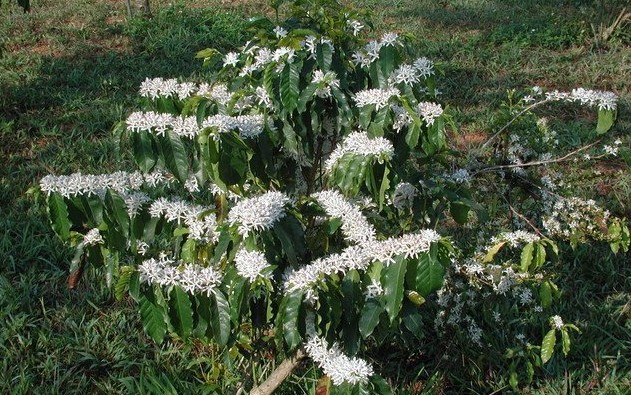
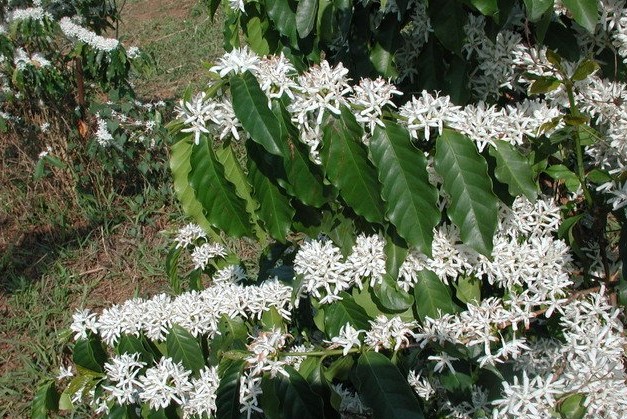
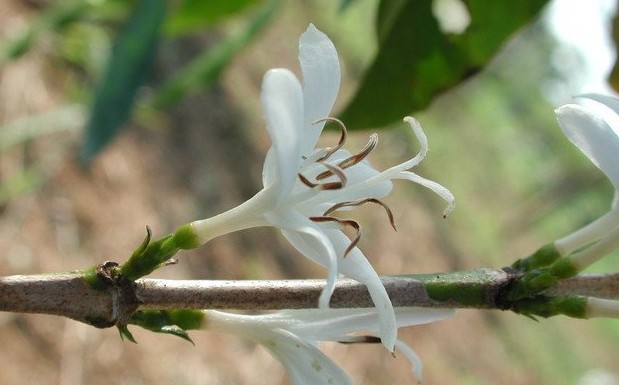
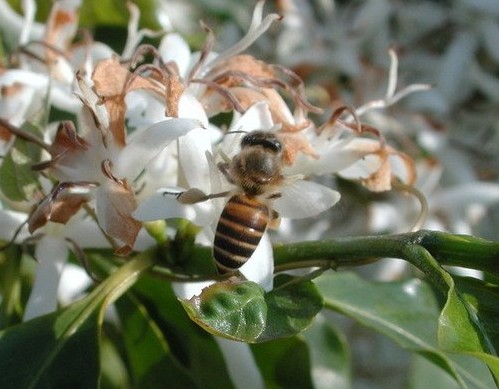
Coffee blossoms are small, fragrant, and tubular, usually white, and cluster in groups at the base of leaves (leaf axils). Typically, 2–5 flowers grow on one stem (flower axis), though some clusters may include up to 50 individual flowers. Small- to medium-sized coffee varieties (like Typica or Bourbon) usually have 5 petals, while larger beans (like Robusta) may have 7–8 petals. The flower’s structure includes numerous stamens matching the petal count, a two-lobed stigma, and a mostly two-chambered ovary (though some have 1 or 3 chambers).
When and How Do Coffee Trees Bloom?
Coffee trees produce flowers at leaf axils on both main branches and side shoots, though the majority emerge on lateral branches. Flower bud development depends on internal branch nutrient levels and environmental conditions. For example, Robusta flower buds start forming as early as late July, while Arabica usually begins in October or November—even on new growth from the same year.
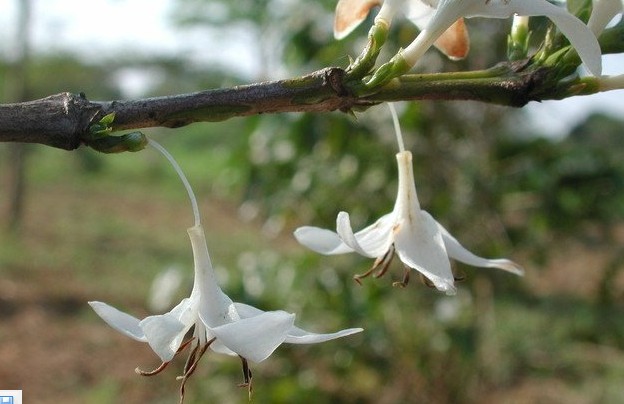
Flowering timing and intensity vary by coffee type and environment. In Hainan, Robusta flowers intermittently from November through June, peaking from February to April. Arabica tends to flower most heavily between March and May. Key external triggers include humidity and temperature. Under dry or cold conditions, flowers may fail to open properly or emerge as “star-shaped” blooms instead of normal flowers. Star-shaped flowers have small, pointed, hardened petals, lack fragrance, show yellow or light-red coloration, and offer almost no chance of fruit set. Flowers that are nearly normal may still set fruit, but at a reduced rate compared to fully developed blooms.
What Weather Conditions Affect Coffee Flowering?
For flowers to open normally, consistent warmth and moisture are essential. If drought strikes during critical budding phases, irrigating can increase the number of viable (normal) flowers and reduce malformed or sterile blooms. Temperature plays a major role too: coffee flowers generally remain closed when temperatures fall below 10°C, and fail to open properly when above 13°C. Most blooms begin opening between 3–5 AM and reach full bloom by 5–7 AM. Cool, humid mornings are ideal for maximum flower performance and eventual fruit set.
From Flower to Coffee Cherry: What Happens Next?
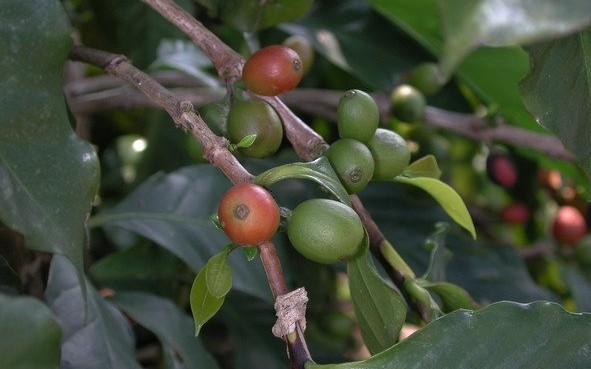
After pollination—often aided by insects, though Arabica and Robusta can self-pollinate while some Medium types rely on cross-pollination—a fertilized coffee flower will begin developing into a coffee cherry. This transformation takes roughly 7 to 9 months, depending on the coffee variety and local growing conditions. Within a few months of flowering, green coffee fruits start to form and gradually ripen to red or yellow, signaling harvest time.
Frequently Asked Questions
What does a coffee flower look like?
Coffee flowers are small, white, tubular, and highly fragrant. They usually have 5 petals (for Arabica and Typica varieties) or 7–8 petals (for Robusta). The flowers grow in clusters of 2–50, most commonly in groups of 2–5, on stems arising from leaf axils. They resemble gardenias or jasmine in shape and scent but are much more fleeting.
When do coffee trees flower?
Coffee trees flower at different times depending on variety and region. In Hainan, Robusta flowers from November to June with a peak in February–April, while Arabica peaks between March and May. Flowering can happen at any time of year under the right conditions, often influenced by seasonal rainfall and temperature shifts.
What weather do coffee flowers need to open properly?
Coffee flowers require warm temperatures (above 10°C but below 13°C for best opening) and sufficient humidity. If it’s too dry or cold, flowers may not open fully, or may open as sterile star-shaped blooms. Proper irrigation during dry spells can help increase the number of normal, fertile flowers.
How long after flowering do coffee cherries appear?
It typically takes 7 to 9 months from flowering to the development of ripe coffee cherries. The flowers must first be successfully pollinated, then the fertilized ovary begins developing into a cherry, which gradually matures and changes color—from green to red or yellow—indicating it is ready for harvest.
Do coffee flowers need pollinators?
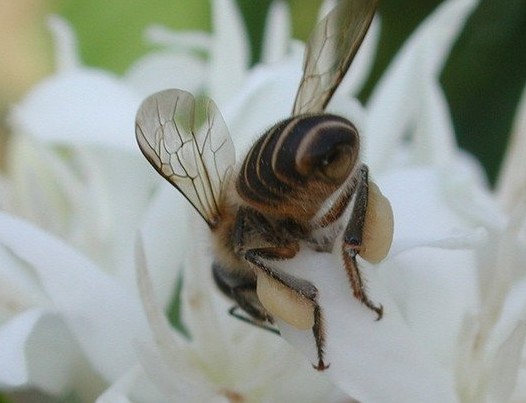
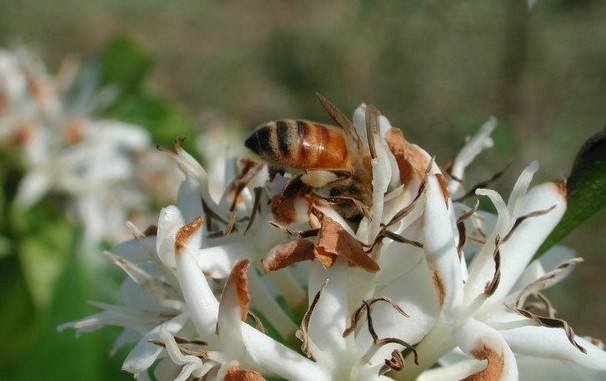
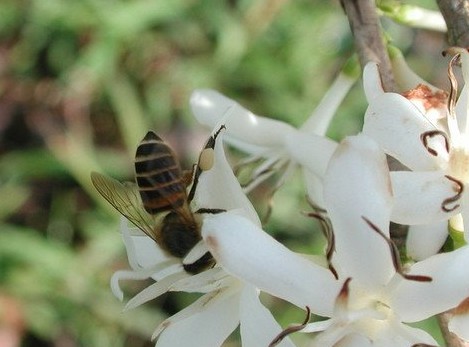
Coffee is primarily an insect-pollinated plant, though many Arabica and Robusta varieties can self-pollinate. Some Medium coffee types , however, depend more on cross-pollination to set fruit effectively. Bees and other insects are usually the main pollinators in natural settings.
Why do some coffee flowers fail to set fruit?
Flowers may fail to set fruit due to incomplete pollination, extreme temperatures (either too hot or too cold), drought stress, or because they opened as malformed star-shaped blooms instead of normal flowers. Environmental stress greatly reduces fruit set rates.
Recommended FrontStreet Coffee Beans Related to Flowering Origins
Explore the origins of coffee where flowering directly impacts fruit quality. FrontStreet’s Ethiopia Humbera offers floral and stone fruit notes with vibrant acidity, grown in high-altitude regions where precise flowering timing is critical. Their Yirgacheffe showcases jasmine-like aromatics and citrus brightness, a result of optimal spring blooms. For balanced complexity, try FrontStreet’s Red Cherry—bright red fruit flavors rooted in carefully managed flowering and fruit development cycles. Freshly roasted within 5 days · Orders placed before 17:00 ship the same day · Next-day delivery across most of Guangdong Province.
FrontStreet Coffee is a long-established specialty coffee roaster in Guangzhou China, selling freshly roasted beans from its own farm in Yunnan as well as dozens of carefully selected single-origin beans from around the world for both pour-over and espresso. The products deliver consistently excellent quality and great value, with shipping within 24 hours. Guangzhou's FrontStreet Coffee shop is recommended by many coffee lovers, and the beans are now available online at the Tmall 。
Important Notice :
前街咖啡 FrontStreet Coffee has moved to new addredd:
FrontStreet Coffee Address: 315,Donghua East Road,GuangZhou
Tel:020 38364473