
Coffee Knowledge
Latest articles, industry insights and brewing guides

What Does Coffee Bean Oiling Mean for Freshness?
Coffee bean oiling isn't always a freshness red flag. Learn when oily beans signal peak flavor or spoilage—based on roast level and age.
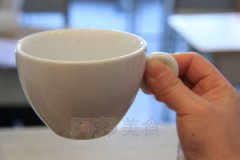
How to Hold a Coffee Cup the Right Way
Traditional Italian coffee cups are designed to be held by the handle — not your fingers. Here’s the proper technique and why it matters.
What Is the Best Water for Brewing Specialty Coffee?
The best water for brewing specialty coffee depends on your method. Distilled and ultrapure water harm espresso machines; softened water is ideal. Avoid boiled or overly pure water for manual brewing.
How Mineral Content in Water Affects Coffee Flavor
Learn how magnesium, lead, manganese, and other minerals in your brewing water alter coffee taste, color, and mouthfeel—plus which water types are safest.
How Coffee Boosts Health: Benefits Backed by Science
From boosting metabolism to aiding digestion, find out how moderate coffee intake supports health with measurable benefits like fat burning and antioxidant effects.
Why Does Coffee Taste More Acidic When It Cools?
Cooling coffee increases perceived acidity due to changes in taste sensitivity and acid release. Darker roasts and drinking hot help reduce this effect.
The Right Sugars for Coffee: Types & Effects Explained
From white sugar to brown and alternatives, learn which sugars balance bitterness best in coffee—with recommended usage levels and taste effects.
Flavoring Coffee: Spices, Syrups, and Unexpected Pairings
Explore how spices, syrups, and unusual ingredients like butter or purple sweet potato can be used to flavor coffee — and which work best hot or iced.
The Basics of Specialty Coffee Roasting Explained
Learn what coffee roasting really is, how it shapes flavor, and why it matters more than you think—from first crack to French roast.
Swissgold Coffee Filter: Beginner and Pro Drip Brewing
Explore the Swissgold gold filter: a durable, chemical-free way to brew pure pour-over coffee with no paper waste.
Why Fresh Coffee Beans Need Resting (Rest Period Explained)
Freshly roasted coffee beans need time to degas—typically 1–5 days for filter, 3–5 for espresso—to reach optimal flavor. Here’s how long to rest them.
What Is a True Cappuccino? Coffee Facts Explained
A true cappuccino has thick milk foam rising over the cup, a golden crema ring, and equal parts espresso, steamed milk, and foam.
How to Smell Coffee Beans to Test Freshness
Smelling unopened coffee bags helps determine freshness—if you can't smell rich aroma, the beans may be stale. Here's how to check.
How to Ask Smart Questions When Buying Coffee Beans
Learn how to ask the right questions to buy the best coffee beans for your taste and brewing method, from origin to roast level.
How to Assess Coffee Bean Freshness and Roast Quality by Cutting
Learn how to assess coffee bean freshness, roast level, and evenness by using simple techniques like pinching, cutting, and chewing. Quick tips for buyers.
Can You Add Sugar to Espresso? The Real Answer
Yes, you can add sugar to espresso — even Italians do it. Here’s how to do it right for the best flavour balance.
What Is a Moka Pot and How Does It Brew Coffee?
The moka pot is a stovetop brewer that makes strong, espresso-like coffee using steam pressure. Learn how it works, what it’s made of, and why it’s still popular today.
What Is a Coffee Roaster? Role & Responsibilities Explained
A coffee roaster transforms raw beans into flavorful roasted coffee. Discover who they are, what they do, and why they matter in your cup.
What Is Fancy Coffee? Your Guide to Flavored Coffee Drinks
Fancy coffee means any coffee with added flavors or ingredients—like milk, chocolate, or liqueur—not just drinks with latte art. Here’s what makes it different.
What Is Caffeine? The Science Behind Coffee’s Kick
Learn what caffeine really is, how much is in your coffee, and how it affects energy, focus, and health — backed by specialty coffee research.