
Coffee Knowledge
Latest articles, industry insights and brewing guides

How Coffee Became China’s Everyday Lifestyle Staple
Explore how coffee evolved from luxury to daily necessity in China, transforming urban life and work culture over the past five years.

What Matters Most When Brewing Espresso?
Cleanliness and consistency impact espresso more than just dose or yield. Here’s what really affects your shot quality.
How to Perform a Coffee Enema: Step-by-Step Guide
A detailed walkthrough of the coffee enema process, including water temp, coffee ratios, insertion depth, and post-procedure care.

Chemex: The Iconic Pour-Over Coffee Maker
Learn how the 1941-designed Chemex brews clean, pure coffee using a thick filter and integrated carafe. Discover its lab-inspired design and best practices.
What Is C8H10N4O2 in Coffee?
C8H10N4O2 is the chemical formula for caffeine, also known as 1,3,7-trimethylxanthine. Here’s what that means for your cup of coffee.
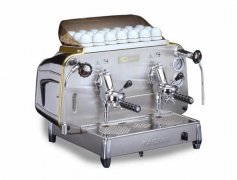
How the E61 Group Head Works in Espresso Machines
The E61 group head uses a thermosyphon and pre-infusion to stabilize temperature and improve espresso extraction. Here’s how it works.
How to Use Coffee Grounds as Fertilizer for Houseplants
Learn how to turn coffee grounds into safe, effective plant fertilizer—properly composted to avoid root burn and boost soil acidity.
What Milk Chemistry Means for Espresso Foam
Learn how milk proteins, fats, and added protein affect foam quality—key to better latte and cappuccino texture.
Why Whole Milk Foams Easier for Coffee Drinks
Whole milk produces better foam due to its higher fat content, which creates more stable milk proteins and longer-lasting microfoam.
Key Terms in Specialty Coffee Extraction Explained
Learn what blonding, channeling, and crema mean in espresso brewing, plus golden rules, over- and under-extraction signs.
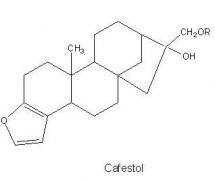
What Is Cafestol? The Cholesterol-Raising Compound in Coffee
Unfiltered coffee like Turkish or French press contains cafestol, a compound linked to higher cholesterol. Learn which brews avoid it.

Coffee Etiquette Guide: Black Coffee, Stirring, and More
Learn the basics of coffee etiquette: when to add sugar or milk, the right way to use a coffee spoon, and how to drink black coffee properly.

Why Coffee Tastes Less Flavorful Than It Smells
Coffee often smells richer than it tastes due to how our nose and brain process aroma. Here’s the science behind the flavor gap.
Why Fresh Coffee Beans Taste Better
Freshly roasted coffee beans deliver the best flavor—peak taste hits two weeks after roasting. Here’s how to spot and enjoy them.

What Is White Coffee? Malaysian Coffee Explained
White coffee is a lightly roasted Malaysian specialty with reduced bitterness, using Liberica, Arabica, and Robusta beans. Here's what makes it different.

Latte Art in Small Cups: The Challenge of Espresso Design
Smaller cups make latte art harder, but with practice and technique, intricate patterns are still achievable. Here’s how baristas master it.
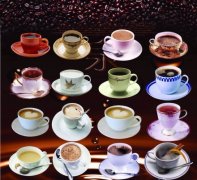
Coffee vs Tea Cups: What Really Sets Them Apart
Learn why coffee and tea cups differ in shape, material, and design — and how those differences affect your drinking experience.
The Color Journey of Coffee Beans From Seed to Cup
Coffee beans change color multiple times—from white flowers to red cherries, then yellow parchment, green seeds, and finally roasted hues. Here’s how.
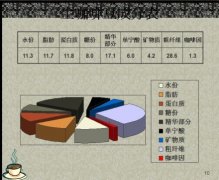
What’s in Green Coffee Beans? The Complete Breakdown
Green coffee beans are mostly water, fat, and protein. Here’s the full composition of unroasted beans and why it matters to brewing.

Why You Should First Taste Your Black Coffee Plain
Every cup of black coffee reflects years of growth and craftsmanship. Here’s why tasting it plain first shows respect for the bean and the barista.