
Coffee Knowledge
Latest articles, industry insights and brewing guides

How Roast Level Affects Coffee Acidity, Sweetness and Body
Learn how roasting time and temperature shape coffee’s acidity, sweetness, and bitterness—plus which roast levels highlight each flavor.
What Is Mocha Coffee? The World’s Oldest Specialty Bean
Learn why Yemen-grown Mocha coffee is called the queen of coffee, its historic roots, unique flavor profile, and why true Mocha comes only from Yemen.
What Makes Coffee Acidic? The Science Behind Coffee Acidity
Learn why some coffees taste more acidic, how altitude and roast affect acidity, and which acids shape your cup’s flavor profile.
Why Coffee Has Over 800 Aromatic Compounds
Coffee’s aroma comes from over 800 identified compounds. These volatile substances shape flavor more than taste alone, especially in specialty coffee.
What to Do With Used Coffee Grounds After Brewing
Used coffee grounds aren’t trash—they can deodorize, absorb moisture, and even exfoliate. Here’s how to reuse them after brewing.
The Three Big Indonesian Coffee Regions and Their Iconic Brands
Discover the three key Indonesian coffee-growing islands—Sumatra, Java, and Sulawesi—and the distinctive beans and brands they produce.

How to Pair Italian Coffee with Meals and Desserts
Learn which coffee styles best match savory meals, breakfasts, and desserts—from light Kenyan brews to dark Ethiopian-Mocha blends.
What Makes Jamaican Blue Mountain Coffee So Special
Learn why Jamaican Blue Mountain is among the world’s rarest and most balanced coffees, how it’s certified, and what makes it so expensive.
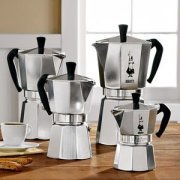
The Moka Pot: Italy’s Iconic Stovetop Coffee Maker
Learn how the Bialetti Moka pot changed home coffee brewing in Italy since 1933, and why it remains a global favorite.
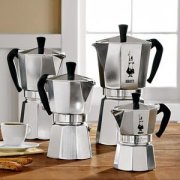
How the Bialetti Moka Pot Changed Home Coffee Brewing
The Bialetti Moka Pot, unchanged since 1933, lets you brew café-quality coffee at home using just a stovetop and finely ground beans.
How to Choose Fresh Coffee Beans: A Step-by-Step Guide
Learn how to tell if your coffee beans are fresh using smell, appearance, and sound. Plus, understand roast levels, bean size, and freshness timelines.
Essential Specialty Coffee Terms Explained
Learn what acidity, body, bitterness, and 15 other key specialty coffee terms really mean—from experts who train baristas.
What Is Fair Trade Coffee and How Does It Work?
Fair trade coffee guarantees farmers a minimum price and premium, but does it solve their real problems? Here’s how it works and where it falls short.
What Is Hand-Picking Coffee Beans and Why It Matters
Hand-picking removes defective beans and foreign matter to improve coffee flavor. Learn why it’s essential before roasting, and how it impacts cup quality.
Common Coffee Bean Defects Every Roaster Should Know
Learn how to spot 9 common coffee bean defects like moldy, dead, and insect-damaged beans—and why they ruin your cup.
What Is Rainforest Alliance Coffee Certification?
Learn what the Rainforest Alliance certification means for coffee—protecting ecosystems, farmers, and your cup. Discover its 10 key standards.
What Is Certified Organic Coffee? Facts & Challenges
Only 3% of global coffee is certified organic. Learn why third-party certification takes years, reduces yields, and defines true organic coffee.
How People Drink Coffee Around the World
Discover unique coffee traditions from Turkey to the US — from unfiltered Turkish coffee to Parisian café culture and American diner habits.
Where Is the Coffee Belt? Geographic Basics
Coffee grows between the Tropics of Cancer and Capricorn—mostly 300–2500m above sea level, with ideal temps of 16–25°C. Here's the full breakdown.

What Chemicals Are Really in Your Coffee?
Explore the key chemical compounds in coffee—caffeine, tannins, fats, sugars, and more—that shape flavor, aroma, and effects.