Monday, September 7, 2026 · Leading English Source for Global Coffee Industry

Coffee Knowledge

Latest articles, industry insights and brewing guides

Coffee training knowledge: coffee raw beans: the difference between new beans and old beans

Coffee training knowledge: coffee raw beans: the difference between new beans and old beans

Coffee raw beans: the difference between new beans and old beans. After dry and wet processing, coffee fruit becomes coffee raw bean (Raw bean/Green bean). The main components of raw beans are: carbohydrates, about 49%; moisture, about 12%; protein. About 11%; chlorogenic acid, about 7.6% alkaloids and trace elements, about 0.4%. According to the length of time, raw beans can have

Coffee training technology section: technical explanation of coffee pressing powder, filling powder and powder thickness

Coffee training technology section: technical explanation of coffee pressing powder, filling powder and powder thickness

1. How much should the scale of the flour grinder be adjusted? The scale is just a reference. Different brands have different grinding scales, and the performance of the same model bean grinder of the same brand under the same scale is not exactly the same. It is better to understand it this way: the scale only tells you which direction is thick and which is fine. When you find a suitable powder thickness, the role of the scale will show a little bit.

Coffee training knowledge Coffee Bean processing

Coffee training knowledge Coffee Bean processing

1. Peeling removes the peel and most of the flesh by mechanical or manual means. two。 Fermentation removes the mucus and film from the core by fermentation. as the length of fermentation time will affect the flavor of coffee, each manufacturer has its own fermentation time. 3. The drying method is mainly divided into natural sun drying and natural air drying. Excessive water content can easily lead to mildew and insect growth of raw coffee beans.

Coffee training knowledge-Coffee bean grinding terminology

Coffee training knowledge-Coffee bean grinding terminology

Caffeine: caffeine is the most eye-catching of all the ingredients in coffee. It is a kind of phytoxanthin (animal muscle component). It has the same properties as theobromine contained in cocoa, green tea contains the same theophylline, and the percentage of reduction after baking is very small. Caffeine has a very wide range of effects. will affect the human brain, heart, blood vessels, gastrointestinal, muscle and kidney and other parts, the right amount of caffeine

Coffee training espresso is the essence of coffee

Coffee training espresso is the essence of coffee

The charming fragrance of a cup of hot, smoking coffee just brewed from freshly roasted beans can pull sleeping people out of bed and lead passers-by into the cafe. Millions of people around the world would have trouble getting through the day without a bout of sanity caused by the caffeine in their coffee. Only in this seemingly ordinary drink, but

Coffee training knowledge of eight-hour ice-drop coffee

Coffee training knowledge of eight-hour ice-drop coffee

Coffee shops are generally limited in supply, because each time the production time is more than eight hours, ice drop coffee originated in Europe, because the coffee distiller was invented by the Dutch, so some people call it DUTCHCOFFEE, espresso or water drop coffee. Condensation natural osmotic water pressure, up to more than 8 hours, bit by bit extraction. The taste of coffee will vary with the degree of coffee roasting.

Coffee training knowledge the significance of Coffee Cup Test

Coffee training knowledge the significance of Coffee Cup Test

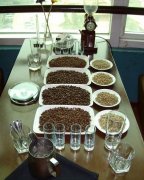
The significance of cup test is to evaluate and compare several different kinds of coffee at the same level. It is also an important course in coffee training and barista training. Because the differences between coffees are very subtle, observe the characteristics of these coffees (flavor, mellow, freshness.) It is easy to be affected by different coffee extraction methods. Because of the elimination of these variables, meticulous

Coffee training knowledge the picking of coffee trees

Coffee training knowledge the picking of coffee trees

Coffee trees usually blossom in 3-4 years, about 2-3 months a year, and their appearance and smell are similar to those of jasmine. when they bloom, they grow in clusters on the branches and bloom for 3-5 days. After the flowers bloom, they bear small green fruits, which ripen and turn red into ripe fruits that can be picked after a few months. The skin of ripe fruit is red. Because its shape and color are similar to cherries, ripe coffee fruit is called coffee cherry in many places.

Coffee training Culture: an important era in American Coffee History

Coffee training Culture: an important era in American Coffee History

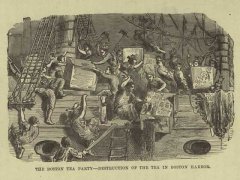
Coffee training Culture: an important era in American Coffee History 1652-the first coffee shop opened in Britain, when the price of a cup of coffee was a penny; now the average American price of an Espresso-based coffee drink is $2.45; and in 1773-after the Boston Tea Party, the Continental Congress declared coffee the official national drink of the United States. Today, on average, every American

Coffee training knowledge: why emphasize freshly ground coffee

Coffee training knowledge: why emphasize freshly ground coffee

Why emphasize freshly ground coffee? When you smell coffee powder, it indicates that it is deteriorating and the essence of coffee is decreasing. If the diameter of coffee powder is doubled, the volume of individual particles is reduced by 1/8, and the surface area of the total coffee powder is doubled accordingly. After coffee beans are ground into coffee powder, its surface area increases exponentially, the area in contact with air.

Coffee training basics-from fruits to raw coffee beans

Coffee training basics-from fruits to raw coffee beans

Coffee training basics-from fruit to raw coffee beans: a coffee tree can harvest 3-5 kilograms of fruit, and raw coffee beans account for 5% of the fruit quality. Going from fruit to raw coffee beans is really a time-consuming and laborious task. Arabica and Robusta Arabica coffee account for about 2% of the world's coffee production. The plant is not suitable for high temperature, low temperature, more rain and less rain.

Coffee training knowledge chapter Salvadoran coffee

Coffee training knowledge chapter Salvadoran coffee

Salvadoran coffee ranks side by side with Mexico and Guatemala as the producers of Asa and Merdo, and is fighting for the top one or two places in China and the United States with other countries. The highlands of origin are large coffee beans of all sizes, which are fragrant and mild in taste. Like Guatemala and Costa Rica, coffee in El Salvador is graded according to altitude, and the higher the altitude, the better the coffee

Coffee training knowledge, your coffee acid is not sour.

Coffee training knowledge, your coffee acid is not sour.

Acidity is often used in our coffee tasting or coffee training terms, which is translated as acidity in Chinese, which is often misunderstood as the acidity in acid value or the sour taste of lemon or vinegar, but it is not a concept. Usually coffee people describe coffee flavor refers to Acidity (acidity), is to describe a lively, bright, fresh, refreshing feeling. Usually when the taste of coffee is identified

Coffee training knowledge about coffee grinding

Coffee training knowledge about coffee grinding

Coffee beans, the dark brown beans seem ordinary, but they have a lot of knowledge at all stages. The ideal time to grind coffee is to grind it before cooking. Because ground coffee is easy to oxidize and lose its flavor, especially without proper storage, coffee powder is also easy to change flavor, so it is naturally impossible to cook mellow coffee. Some people are afraid of trouble or don't want to.

Coffee training Kitcher-History of siphon Pot

Coffee training Kitcher-History of siphon Pot

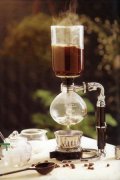
In 1840, a glass test tube in a laboratory triggered the invention of the siphon coffee maker (Syphon). The British took the test tube used in Biya's chemical experiment as a model to create the first vacuum coffee pot. Two years later, Mrs. Bachang of France improved the kettle, and the familiar upper and lower convection siphon pot was born. The siphon coffee maker lived in France for a long time.

Coffee training series knowledge: coffee must be

Coffee training series knowledge: coffee must be "drunk while it is hot"

Tasting hot coffee is the worst way to taste coffee. Only when the coffee cools slightly can you realize its hidden characteristics and delicacy, but the coffee will lose its mellow and rich flavor with the passage of time, so it is best to drink it within 10 minutes after brewing. Tasting coffee is not only to feel it with the taste of the tongue, but also to enjoy the aromatic mellow in the mouth.