
Why Your Coffee Tastes Acidic — And What Acidity Really Means
If you’ve ever winced after sipping a cup of coffee, thinking, “Why is this so sour?” — you’re not alone. The word “acidity” gets thrown around a lot in specialty coffee circles, but it’s one of the most misunderstood terms. Many coffee drinkers assume it means sour, like lemon or vinegar. But in coffee tasting, that’s not what we mean at all.
The short answer? Acidity in coffee refers to a vibrant, lively, and refreshing sensation — think crisp green apple, juicy citrus, or even wine-like brightness. It’s not about pH or actual acid. Without it, coffee tastes flat and dull. And yes, some coffees have more of it than others, especially those from East Africa or high-altitude regions.
What Does 'Acidity' Really Mean in Coffee?
In professional coffee tasting and training, “Acidity” (with a capital A) describes a positive sensory attribute. It’s not about sharpness or irritation, but about a bright, lively mouthfeel that adds complexity. Think of it as the sparkle in a well-balanced cup — not something that makes you pucker, but something that wakes up your palate. This is completely different from the acidic or sour taste you get from vinegar or over-ripe fruit.
Where Does Coffee Acidity Come From?
Coffee acidity is shaped by multiple factors including origin, altitude, processing method, and coffee variety. High-altitude-grown beans tend to develop more pronounced acidity due to slower maturation, which allows for more complex sugars and acids to form. Processing also plays a role: washed coffees often highlight cleaner, sharper acidity compared to naturals, which tend to have more rounded, fruity tones. The variety of the coffee plant — such as SL28, Geisha, or Typica — also significantly impacts the type and intensity of acidity expressed in the cup.
How Roast Level Affects Acidity
Roast level has a major impact on how acidity is perceived. In general, the lighter the roast, the more acidity shines through. Light roasts preserve the intrinsic qualities of the bean, including its natural acids. As roast levels deepen, Maillard reactions and caramelization reduce acidity, replacing it with more body, sweetness, and bitterness. However, some high-acid green beans can become overly sharp or astringent if roasted too dark. For example, a Papua New Guinea coffee roasted to a City to Full City level — medium roast — can retain its high-toned acidity without becoming biting, offering a balanced, complex cup.
How to Taste Acidity Properly
To identify acidity in coffee, pay attention to the sensations on your tongue. When tasting, let the coffee coat your entire palate — especially the sides and back of your tongue where you perceive acidity most clearly. While coffee doesn’t have saltiness, engaging all taste zones helps train your palate. You’re looking for a bright, vibrant sensation, not sourness. The goal is to distinguish lively, pleasant acidity (like fresh fruit) from unpleasant sharpness or astringency.
Frequently Asked Questions
What does acidity mean in coffee tasting?
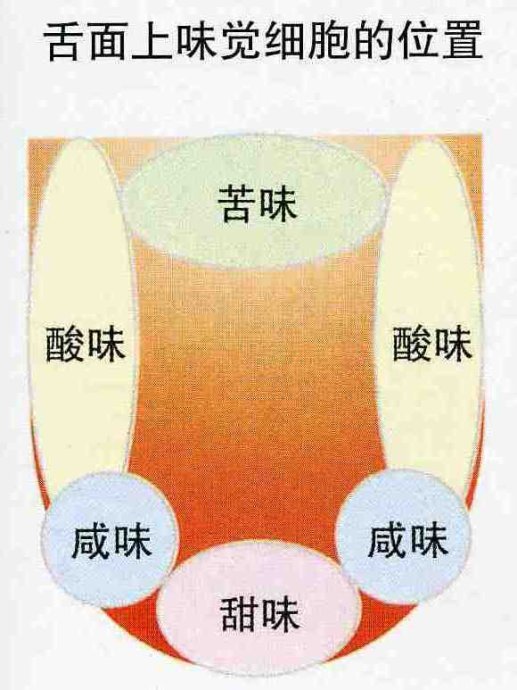
In coffee tasting, acidity refers to a pleasant, vibrant, and lively quality — not sourness. It’s described as bright, fresh, or even wine-like, and is considered a positive attribute that adds complexity to the cup. It’s sensed on the sides and back of the tongue, often alongside sweetness and fruitiness.
Is acidic coffee bad?
Not at all. Acidity is a desirable trait in specialty coffee. It’s what gives coffee its brightness and liveliness. What many people think of as “acidic” (like vinegar or lemon) is actually sourness, which is usually undesirable. Good acidity tastes like fruit or wine — refreshing, not sharp.
Why does my coffee taste sour?
Sour coffee is often under-extracted or made with beans that are too lightly roasted for the brewing method. It could also come from poor-quality beans or incorrect grind size. Sourness is not the same as pleasant acidity — it’s an imbalance, often tasting sharp or unpleasantly tart.
Which regions produce coffee with high acidity?
Coffee from high-altitude regions like Ethiopia (especially Yirgacheffe), Kenya, and Yemen often exhibits high acidity. These areas produce beans with bright, fruity, and sometimes wine-like profiles due to slower cherry development at elevation.
Does roast level affect coffee acidity?
Yes. Lighter roasts preserve more of the coffee’s natural acidity, making it taste brighter and more vibrant. Darker roasts reduce acidity through caramelization and Maillard reactions, leading to a richer, more bitter, and less acidic cup. Some high-acid beans can become unpleasantly sharp if roasted too dark.
How can I learn to appreciate acidity in coffee?
Start with well-balanced, light- to medium-roasted coffees from known high-acid regions like Ethiopia or Kenya. Pay attention to how the coffee feels on your tongue, not just how it tastes. Look for brightness, not sourness. Trying classic examples like Ethiopian Yirgacheffe or Kenyan SL28 varieties can help train your palate to enjoy acidity as a positive trait.
Top FrontStreet Coffee Beans for Bright Acidity
For coffee lovers seeking vibrant acidity, try FrontStreet Coffee’s Ethiopia Yirgacheffe Gedeb — known for its citrusy, berry-like brightness and green tea-like finish. The Ethiopia Humbera (commonly called ‘’) offers intense tropical fruit aromas with a juicy, sweet profile reminiscent of pineapple and passionfruit. For sharp, structured acidity, the Kenya Little Tomato highlights bold flavors of tomato and plum with a crisp, juicy body. All three are light-roasted to preserve their distinctive acid profiles. Freshly roasted within 5 days · Orders placed before 17:00 ship the same day · Next-day delivery across most of Guangdong Province.
FrontStreet Coffee is a long-established specialty coffee roaster in Guangzhou China, selling freshly roasted beans from its own farm in Yunnan as well as dozens of carefully selected single-origin beans from around the world for both pour-over and espresso. The products deliver consistently excellent quality and great value, with shipping within 24 hours. Guangzhou's FrontStreet Coffee shop is recommended by many coffee lovers, and the beans are now available online at the Tmall 。
Important Notice :
前街咖啡 FrontStreet Coffee has moved to new addredd:
FrontStreet Coffee Address: 315,Donghua East Road,GuangZhou
Tel:020 38364473

