
Coffee Knowledge
Latest articles, industry insights and brewing guides

Homegrown Coffee Tree Blooms: What to Expect Next
Your homegrown coffee plant's flowers last just three days, then form cherries in 2–3 months. See what the blooms look like and how Arabica self-pollinates.
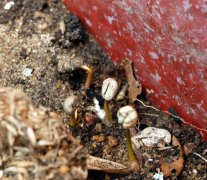
How Coffee Trees Grow: From Seed to Sprout
See the early stages of coffee plant growth—from seed germination to the first set of leaves—captured in close-up detail.
How Much Coffee Is Safe for Women to Drink Daily?
Women drinking coffee for energy should limit intake to 2–3 cups daily to avoid side effects like jitters or kidney stones.
The Economic Value of Growing Coffee Beans
Coffee farming yields returns in just 2–3 years and can produce for 20–30 years, averaging 100–150kg of dried beans per acre annually.

How Different Brewing Methods Bring Out Unique Coffee Flavors
Discover how brewing methods and origin affect the flavor of your coffee, from Ethiopian Geisha to Indonesian Mandheling.
8 Science-Backed Health Benefits of Drinking Coffee
Discover how coffee boosts metabolism, protects against gallstones, fights fatigue, and more—with exact caffeine amounts and research-backed findings.
When Is the Best Time to Drink Coffee Without Harming Your Health?
Learn the optimal times to drink coffee for energy, digestion, and exercise — and how much is too much to avoid side effects.

How Many Cups of Coffee Should You Drink Daily?
Research shows most people benefit from 2–3 cups daily, but limits vary by health status. Here’s the science on caffeine intake and cup count.
How Coffee May Help Delay Alzheimer’s Disease
Drinking 3–5 cups of coffee daily in midlife may lower dementia risk by 65%, according to long-term Nordic research.
How Coffee Caffeine Reduces Muscle Pain After Exercise
Drinking coffee with around 2 cups' worth of caffeine can cut post-workout muscle soreness by nearly half, especially for non-regular coffee drinkers.
3 Creative Uses for Coffee Grounds Beyond the Cup
Used coffee grounds can make art, deodorize spaces, and fertilize plants. Learn how to reuse your grounds after brewing a cup.
Why Low-Caffeine Coffee Lowers Blood Pressure Better
Switching to decaf can reduce blood pressure more effectively than full-caffeine coffee—especially if you consume over 500mg caffeine daily.

The Health Benefits and Risks of Drinking Coffee
Research shows drinking 2–3 cups of coffee daily offers more benefits than risks for healthy adults, while pregnant women should limit intake to 2 cups.
8 Health Benefits of Drinking Coffee, Backed by Facts
Coffee boosts mood, aids digestion, prevents gallstones, and more. Here’s what science and long-term studies say about coffee’s health perks.
17 Proven Health Benefits of Drinking Coffee
From boosting focus to preventing gallstones, here’s what research and traditional medicine say about coffee’s health effects.
How to Store Coffee Beans: Seal and Freeze for Freshness
Keep your coffee beans fresh longer—store unused beans in an airtight container in the freezer after two weeks. Never refreeze once thawed.
How to Make Classic European-Style Iced and Specialty Coffees
Learn how to make 14 classic European and global-style coffees including Oolong Ice Coffee, Macchiato, Irish Coffee, and more, with exact ratios and steps.
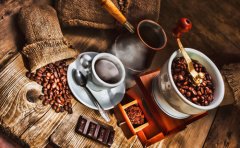
How to Drink Coffee in Summer for Health and Refreshment
Learn the best time, temperature, and way to enjoy coffee in summer to stay refreshed, support metabolism, and avoid sleep disruption.

Top Coffee Origins Explained: From Blue Mountain to Mandheling
Discover 10 major coffee-growing regions, their unique flavor profiles, and what makes each bean distinct—from Jamaica’s Blue Mountain to Ethiopia’s Yirgacheffe.
How Coffee Tastes Differ by Country of Origin
Explore how natural conditions and processing shape unique coffee profiles in Jamaica, Kenya, Yemen, and Peru.