
Coffee Knowledge
Latest articles, industry insights and brewing guides

Understanding Coffee Species and Varieties
Learn the key differences between coffee species like Arabica and Robusta, and discover the varieties and cultivars that shape your cup.
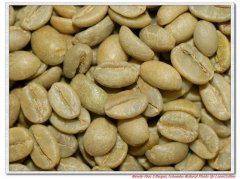
How FrontStreet Roasts Ninety-Plus Ethiopia Tchembe Natural
FrontStreet Coffee shares its full roast profile for the Ninety-Plus Ethiopia Tchembe Natural, including time, temp, and sensory goals.
Understanding Coffee Bean Roast Levels and Their Flavors
Learn how light, medium, dark, and extra-dark roasts affect coffee flavor, aroma, and acidity. Discover what each roast level really tastes like.
How to Roast Coffee with a Hand Pan: A Beginner’s Guide
Learn the basics of hand pan and skillet coffee roasting, including how to achieve even roast quality without complex curves.
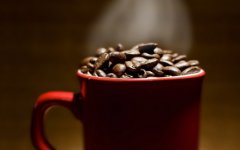
How Coffee Bean Oil Relates to Freshness
Fresh light roasts should look dry; dark roasts appear oily. Learn what coffee bean surface oils really tell you about roast freshness.
Why Dark Roast Coffee Has More Caffeine Than Light Roast
Dark roast coffee often contains more caffeine per cup than light roast—not less—due to greater bean usage and roast weight loss.
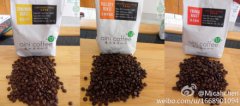
Three Coffee Roast Levels: Cinnamon, City, and French
Learn how coffee roast levels—cinnamon, city, and French—affect flavor, acidity, and bitterness, and why roasters choose specific profiles.

Roasting Colombia’s HEIGHT PREMIUM ESMERALDA Green Emerald Coffee
This Colombian HEIGHT PREMIUM ESMERALDA green emerald coffee was roasted to first crack’s end, yielding complex fruit acids. Find out why it didn’t do well at darker roasts.
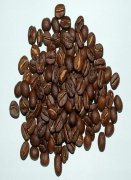
How FrontStreet Roasts Tanzania Ruvuma AAA Coffee
FrontStreet Coffee roasts Tanzania Ruvuma AAA to second crack onset for bright fruit and sweetness. Here’s how it performs.
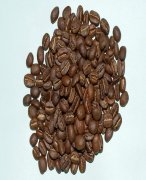
Roasting Rwanda GATARE Washing Station Coffee
This high-altitude Rwanda GATARE lot is roasted just after first crack ends and before second crack begins, requiring slightly more heat during roast.
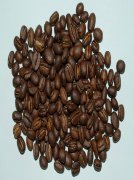
Congo Kivu Lake Peaberry Roast: Defects and Deep Roast Results
A 100g sample of Congo Kivu Lake Peaberry contained 48 defective beans. Roasted to first crack’s end, it developed an off-putting flavor.
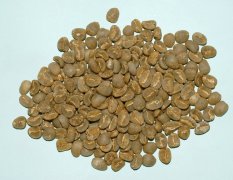
Roasted 19-Mesh Indonesian Mandheling Coffee
Roasting 19-mesh Sumatra Mandheling produces a cleaner, slightly sweet-sour cup with herbal depth and solid body. Learn what sets it apart.
Understanding Coffee Roast Levels from Light to Dark
Learn the full range of coffee roast stages—from light to dark—and how each affects flavor, acidity, and appearance.
What Acids Are in Roasted Coffee?
Roasted coffee contains several types of acids, including acetic, citric, and quinic acid. Their levels change with roast degree—here’s what stays and what fades.
Coffee Roasting Methods and Degree Guide
Learn how coffee roasting transforms green beans, the three main roaster types, and how to identify roast levels like City or French.
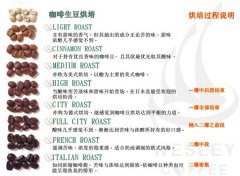
Deep vs Light Roast Coffee: What’s the Difference?
Deep roast brings sweetness and body; light roast highlights bright acidity and origin flavors. Here's how to tell them apart.
How Roasting Determines Coffee Flavor
Roasting is responsible for 80% of your coffee’s flavor. Learn how roast level shapes acidity, sweetness, bitterness, and aroma through chemistry and technique.
How Different Countries Roast Coffee Beans
Discover global coffee roasting trends—from Tokyo’s medium-dark styles to Vienna’s dark roasts—and how they shape flavor profiles.
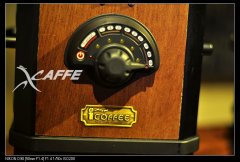
How to Roast 20 Coffee Origins on the Apollo Home Roaster
Find the ideal batch size, roast time, and technique for 20 global origins on the Apollo iCoffee N901CR home coffee roaster.

How to Roast 20 Coffee Bean Origins with the ICOFFEE N901CR
A detailed guide to roasting 20 global origins using the 150g-capacity ICOFFEE N901CR home roaster, with timing, flame levels, and batch advice.