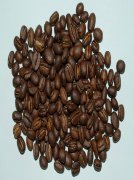
Roasted 19-Mesh Indonesian Mandheling Coffee
When you’re hunting for a uniquely textured Indonesian single origin with more clarity than your average dark Sumatra, the 19-mesh Mandheling from Sumatra deserves a closer look. Many roasters default to heavy roast profiles on these beans, burying their character—but when selected and roasted with care, the result can be a surprising mix of sweetness, herbal notes, and clean mouthfeel.
19-mesh screened Sumatra Mandheling beans show visible quality advantages over standard commercial lots, and when stopped at first crack and early second—around 19 mesh—the result offers mild sweet-sour tones, herbal complexity, solid body, and good clarity. That’s the key takeaway: not all Mandheling tastes the same.
What Is 19-Mesh Mandheling?
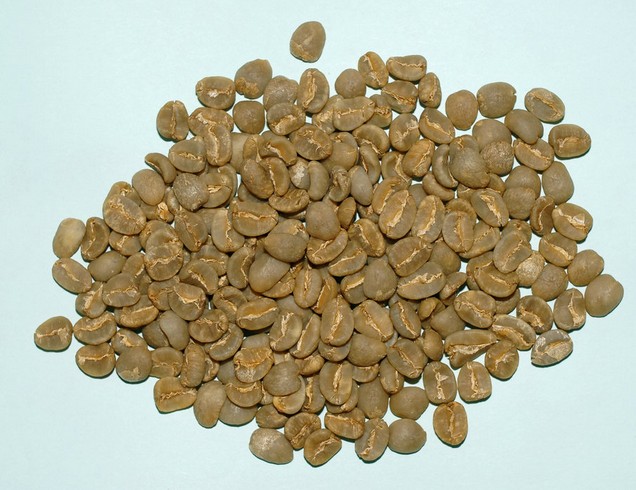
The term '19-mesh' refers to the sieve size used during green bean sorting. In China’s coffee import standards, 19-mesh indicates a relatively high level of uniformity in bean size—these beans pass through a sieve with 19 threads per inch, meaning fewer broken or irregularly sized particles. Compared to standard commercial Mandheling lots, 19-mesh beans often have better physical consistency, which supports more even roasting and can highlight subtle flavour differences. That’s why, visually and texturally, these beans appear noticeably 'better' than typical Mandheling offerings.
First Impressions in the Roast
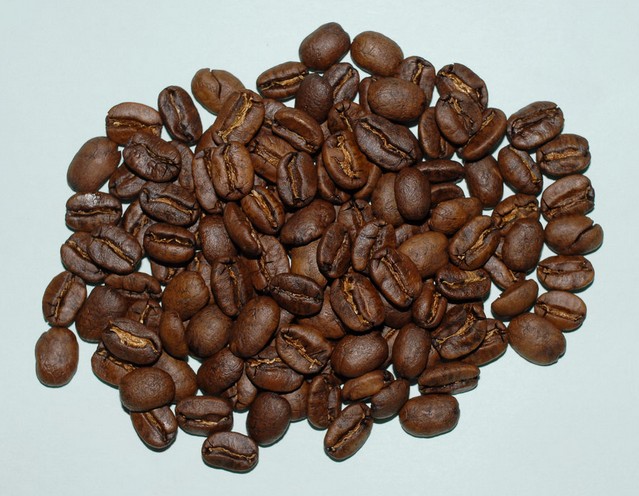
During the roast development phase, especially in the drying stage, experienced roasters often detect a distinct herbal aroma coming off the 19-mesh Mandheling beans. This isn’t your usual fruity or floral note—it’s earthy, slightly minty, and green in character. For this profile, the roast was stopped at the beginning of the second crack. That timing preserves some of the bean’s inherent density and silverskin-derived smokiness while avoiding excessive roast bitterness. The resulting cup leans into a balance of sweetness, herbal lift, and a weighty mouthfeel without tipping into the heavy, muddy profile that Sumatras are often unfairly reduced to.
Flavour Profile: What You Actually Taste
Expect a cup that delivers a mild sweet-sour balance alongside a clear herbal note—think green herbs more than spice. There’s a notable fullness in the body, a trait often associated with Mandheling’s traditional wet-hulled (giling basah) processing. Despite the heavier body, the cup maintains a decent level of clarity, meaning you can pick out individual flavour elements rather than just a wall of earthiness. The aftertaste lingers with a dry, slightly mineral edge, and no harsh taints or fermented off-notes if the roast is executed well.
Why This Roast Approach Works
Stopping the roast at first crack and into early second—rather than pushing into a full city or French-style dark roast—allows the intrinsic qualities of the 19-mesh beans to shine. The herbal character emerges without being overpowered by charred or smoky tones. The slight sweet-sour note likely comes from a combination of the bean’s varietal traits, the terroir, and the controlled roast curve. This approach highlights the coffee’s inherent complexity without masking it under layers of roast flavour. It’s a reminder that Mandheling can be more than just 'dirty' or 'musty' if handled with precision.
Frequently Asked Questions
What does 19-mesh mean in coffee beans?
19-mesh refers to the size grading of green coffee beans using a sieve with 19 threads per inch. Beans that pass through this screen are relatively uniform in size, which typically indicates fewer defects and more consistent roasting. In the context of Sumatra Mandheling, 19-mesh beans are visually and physically superior to standard commercial lots, supporting better flavour clarity and roast evenness.
Why does Sumatra Mandheling often taste herbal or earthy?
Sumatra Mandheling is traditionally processed using the wet-hulled (giling basah) method, which leaves a portion of the silver skin on the bean and contributes to its signature herbal, earthy, and sometimes spicy flavours. The terroir, high altitude, and volcanic soil of Sumatra also enhance these earthy and herbal notes, especially when roasted to preserve rather than overpower them.
What roast level is best for Mandheling?
A light to medium-dark roast, ideally stopped at or just after the start of the second crack, is ideal for Mandheling. This preserves the bean’s inherent sweetness and herbal complexity while developing enough body and roast character to balance the cup. Avoiding overly dark roasts helps prevent the coffee from becoming overly smoky or muddy.
Does the mesh size of coffee beans affect taste?
Yes. Mesh size indicates the uniformity of bean size after sorting. Higher mesh numbers (like 19-mesh) mean more uniformly sized beans, which roast more evenly and often produce a cleaner, more consistent cup. Inconsistent sizes can lead to uneven extraction and flavour defects, so 19-mesh beans generally yield better results.
Is the herbal taste in Mandheling a defect?
Not at all. The herbal or grassy notes in Mandheling are characteristic of its processing method and terroir. When these notes appear alongside good sweetness and body, they contribute to the coffee’s unique profile. It’s only considered a defect if the herbal quality is unpleasantly astringent or masks other positive attributes due to poor processing or roasting.
Recommended FrontStreet Beans for Mandheling Lovers
For drinkers exploring the herbal and earthy side of Indonesian coffee, FrontStreet Coffee’s Lintong Mandheling is a great starting point. It offers classic Sumatran traits like spice, dark chocolate, and caramel, balanced by a sweet finish. For a more refined option, try the PWN Golden Mandheling, known for its clean profile of toast, pine, cocoa, and lingering caramel sweetness. Both beans showcase the complexity of Sumatra’s terroir and processing. Freshly roasted within 5 days · Orders placed before 17:00 ship the same day · Next-day delivery across most of Guangdong Province.
FrontStreet Coffee is a long-established specialty coffee roaster in Guangzhou China, selling freshly roasted beans from its own farm in Yunnan as well as dozens of carefully selected single-origin beans from around the world for both pour-over and espresso. The products deliver consistently excellent quality and great value, with shipping within 24 hours. Guangzhou's FrontStreet Coffee shop is recommended by many coffee lovers, and the beans are now available online at the Tmall 。
Important Notice :
前街咖啡 FrontStreet Coffee has moved to new addredd:
FrontStreet Coffee Address: 315,Donghua East Road,GuangZhou
Tel:020 38364473