
Specialty Coffee Beans
Latest articles, industry insights and brewing guides
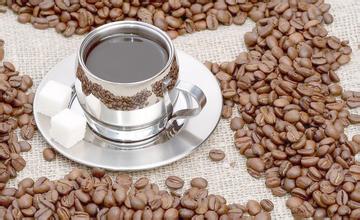
Esmeralda Manor in Panama introduces boutique coffee beans Baru volcano coffee producing area
Haines, a Swede, in 1924. Elliott founded Esmeralda Farm, which was not a coffee grower but a ranch. Forty years later, Daniel Lou in 1964. Mr. Bidarson's grandfather, Luther Ruffer. Mr. Bidarson bought Esmeralda Farm in order to have an old home after retirement, grandfather Luthor. Born in Sweden, Mr. Bidarsson was president of Bank of America and United.

Wet-treated Burundian coffee beans introduce Jackson bourbon varieties of boutique coffee
Acidity (brightness) (1-10): does not apply taste (layer) (1-10): does not apply taste (alcohol thickness) (1-5): does not apply aftertaste (residue) (1-10): does not apply balance (1-5): does not apply basic score (50): does not apply total score (maximum 100): does not apply strength / main attributes: medium strength / sweetness, fruit flavor, spicy aftertaste.

Extremely mild aroma of Ugandan Java coffee beans introduce boutique coffee Elgon mountain area
Java produces only a small amount of Arabica beans, most of which were imported from Africa after the rust disaster. This coffee has a strong bitter taste after roasting, but the aroma is extremely light. Although the acidity is low and the taste is delicate, it is rarely used for direct drinking. It is often used to mix mixed coffee or to make instant coffee. Later, when the ship replaced the sailboat, due to the delivery time

Taste rich Dominica coffee in the south introduce boutique coffee beans Santo Domingo coffee
The earliest coffee in Dominica was introduced from Martinique (the overseas province of France), dating back to the early 18th century. Dominica is an island country with a tropical climate. The temperature changes little throughout the year. Except for the lower temperature in the Central Cordillera Mountains, which can reach less than 0 ℃ in winter, the annual average temperature in other areas is between 25 and 30 ℃, which is affected by the mountain topography.

Mexican coffee beans with good aroma and sour taste introduce boutique coffee beans Aldura
Mexicans are enthusiastic and optimistic, and the chocolates in Mexican coffee perfectly reflect this. There are different methods of Mexican coffee, but the main difference is whether it contains alcohol or not. let's first introduce the practice of non-alcohol. Heat a cup of milk, a teaspoon of cinnamon powder and a teaspoon of vanilla powder in a pot. Keep it at medium temperature. The heat is not too high. The milk must not boil. And then join in

Introduction of Vietnamese Coffee varieties of Vietnamese Coffee trees introduction of fine coffee beans Robusta species
In recent years, India has also begun to plant coffee trees in Arabica and is more committed to coffee production, but there has been no development in the boutique coffee market. The Vietnamese coffee we often hear in our conversation sometimes refers to the cooking method of the ice drop kettle, which is different from the kinds of coffee beans mentioned here. Don't confuse them with robusta coffee beans with their unique aroma and bitterness.

Yunnan small-grain coffee beans with moderate sour taste introduce the growth environment, altitude and other fine coffee beans
Small-grain coffee is suitable for growing in the mountains at an altitude of 800 to 1800 meters. If the altitude is too high, it will taste sour, and if it is too low, it will taste bitter. Small grains of coffee are mostly planted in dry and hot valleys about 1100 meters above sea level, so they are moderately sour, rich and mellow. There is a unique environment suitable for the growth of small seed coffee in many areas of Yunnan, and the quality of small seed coffee is excellent. The planting area is mainly distributed in the

There is also an introduction to the sweet Yemeni mocha coffee in the southern red seaside coffee producing area.
There are many varieties of Yemeni coffee, most of which are named after their origin and type, with different flavors, such as fresh wood, tobacco, musk, fruit wine, roasted nuts, cocoa and warm seasonings, especially Moha coffee. At present, Yemeni Moha coffee is the most famous Yemeni Moha coffee on the market, such as Isemary, Matari, Sanani and so on. Sanani coffee has medium grain size and fruit wine style.

Fragrant Ecuadorian Coffee Flavor Manor Taste introduces boutique coffee beans
Ecuador is one of the few countries in South America that produces both Arabica coffee and Robbins coffee. However, as the land suitable for Arabica coffee trees is decreasing, the production of Robbins coffee is gradually increasing. The best Arabica coffee comes from the Andes, especially the Chanchagu Valley (ChanchamgoValley), which is divided into two mountains, from the south to the south.

Coffee quality Society (CQI) and Yunnan Coffee Trading Center (YCE) formally signed a strategic cooperation agreement
At the invitation of Yunnan Coffee Trading Center Co., Ltd., Mr. DavidRoche, Executive Director of CQI (Coffee Quality Institute, Coffee quality Society), arrived in Pu'er on the morning of November 7, 2015 with Lu Han, Deputy Director of Tea and Coffee Industry Bureau, Cao Ronggen, Chairman of Yunnan Coffee Trading Center, and Shu Yang, Executive Deputy General Manager, on the development of Yunnan Pu'er boutique coffee.
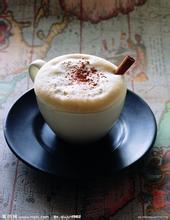
Jamaica Blue Mountain Coffee introduction to Atlanta Manor in St. Thomas
Coffee beans that generally grow at low elevations and other areas can only be called Jamaican mountain beans or Jamaican water-washed beans, which have a lot of flavor compared with the Jamaican Blue Mountains, but the area of these producing areas is twice that of the real blue mountain areas. the output accounts for 75% of the country's output, so when you buy Jamaican coffee, don't think you've bought Blue Mountain coffee. Because the blue mountains of Jamaica are so famous,
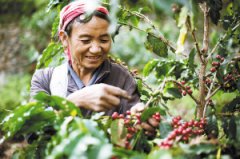
The output of coffee beans in Yunnan reached 139000 tons at the end of the harvest season from 2015 to 2016.
A few days ago, the reporter learned from the Yunnan Provincial Coffee Industry Association that the province's coffee harvest season in 2015 and 2016 has ended. Preliminary statistics show that the province's coffee production reached 139000 tons, an increase of 21000 tons over the 118000 tons in the 2014-2015 harvest season. Although the output of 139000 tons is higher than that of the last picking season, it is affected by low temperature and cold wave disaster, low market price and other factors.

Excellent environment planting area Panamanian Poquet Butterfly Coffee Bean Baru Volcano Coffee area
Geisha, sweeping the coffee industry with the power of a hurricane, the coffee revolution is so fierce that the Blue Mountains of Jamaica and Kona of Hawaii, which have occupied the throne of the coffee kingdom for a long time, have to stay away. This wild species, which originated in Ethiopia, is now widely used in major coffee producing areas after numerous battles, and its best spokesman is "L" from Panama.

Indonesia Musk Coffee Coffee introduction Manor production area introduction Jinta Mani production area Arabica
Out of curiosity, I set out to Bundowoso, the legendary place of origin, a small town in the humid western plateau. A local driver named Sugiono took me on a winding mountain road to the civet's habitat. The terrain rose slowly, and the small village along the road looked bustling and busy. The verdant rice fields on the plain gradually passed as the climate on the mountain became cooler.

Fragrant and layered Panamanian geisha Coffee introduces Cajun Louis Manor
[flavor description]: oolong tea, peach, honey, fresh and comfortable, bright and balanced, the aroma is extremely layered, the whole aroma and caramel sweetness are wrapped together, the tip of the tongue feels sour obviously, just mild and round in the mouth, the fruit is sweet and sweet, like swallowing a mouthful of fresh fruit tea, sweet and fragrant. The lower the temperature, the finer the acidity. Charm

Unique flavor of Jamaican Blue Mountain Coffee introduces boutique coffee beans Cliff Manor
There are three varieties of coffee in Jamaica: blue Mountain Coffee (Jamaica Blue Mountain Coffee), of which Blue Mountain Coffee and Alpine Coffee are each divided into four grades. From top to bottom in terms of quality, NO.1, NO.2, NO.3 and PB,PB are round beans. According to CIB standards, only coffee grown above 666m above sea level is called dental purchase.

Panama Coffee Estate Introduction Esmeralda Estate Baru Volcano Poquet Flower Butterfly Coffee
At this altitude, the low temperature delays the ripening of coffee berries by about a month, while the fertile volcanic loam provides sufficient nutrients for coffee, and the excellent microclimate brought by Baru volcano enables Elida Manor to repeatedly win cup tests. In addition to creating good coffee cultivation conditions, the operation of Elida Village

Brazilian coffee with low sour taste introduces boutique coffee beans such as flavor manor producing area
Including all coffee beans grown in Brazil, except for Santos, Brazilian beans are mostly cheap and good coffee. Can be used for mass production of comprehensive coffee beans, most of which are re-roasted. The main raw material of instant coffee is also Brazilian coffee beans. When the coffee bean germ is very fresh, it is artificially refined and naturally dried in the vulva for about 60-70 days, so that the sweetness of the pulp fully seeps into the bean.

Introduction to the flavor of Kilimanjaro coffee producing area in Tanzania, which is rich in volcanic soil.
Tanzania's main coffee producing area, located at the foot of Mount Kilimanjaro, is rich in volcanic soil. Some coffee trees planted here are more than 100 years old. Coffee was first introduced by Christians from Kenya to grow coffee. Coffee trees must be carefully taken care of, weeded and fertilized. And old branches must be cut off so that new branches can grow to maintain the quality of coffee beans.
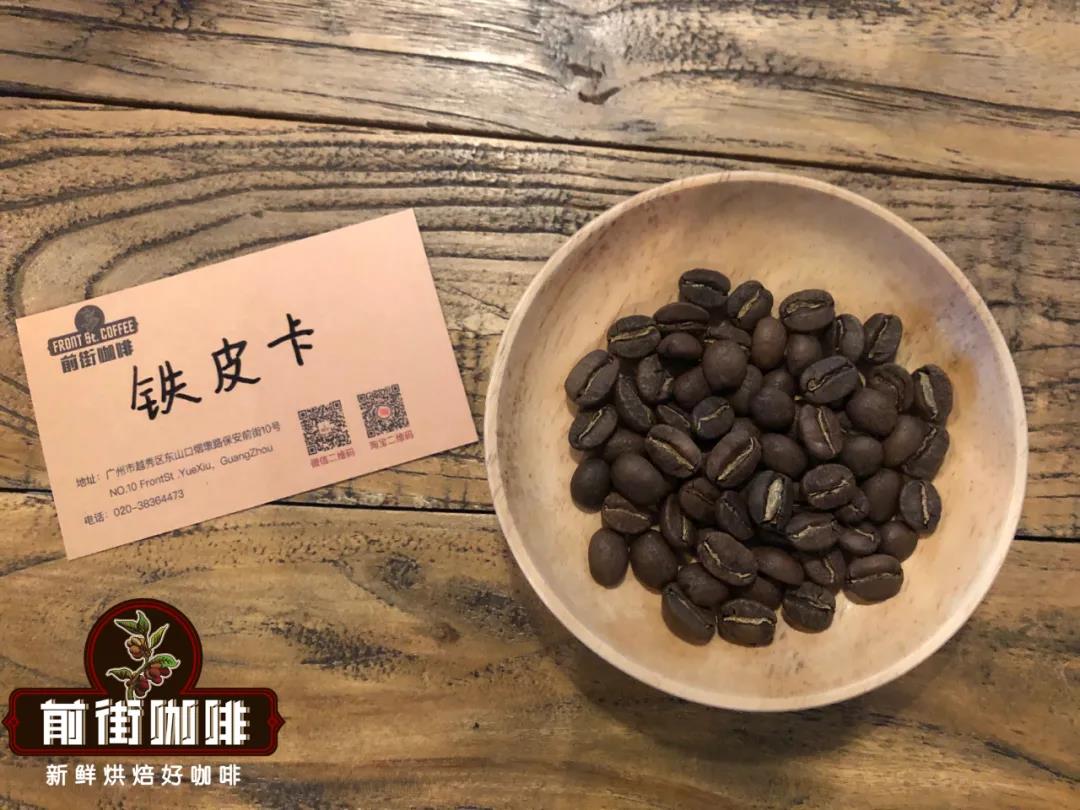
The most classic high-quality Arabica variety of tin coffee flavor introduction
Catimor: Catimor is not purely Arabica, it is a hybrid of Timor species (belonging to Robusta species) and caturra(a variant of Popan species), so catimor has 25% Robusta lineage, and its Robusta lineage also determines its taste defects: aroma is not rich enough, and the overall taste is bitter, prone to astringent and pungent