
Specialty Coffee Beans
Latest articles, industry insights and brewing guides

What Is Jamaica Blue Mountain Coffee?
Learn what makes Jamaica Blue Mountain coffee unique, from its strict certification to its balanced flavor and high price.

Yirgacheffe Coffee: What Makes It So Floral and Bright?
Learn why Ethiopia’s Yirgacheffe coffee is famous for its intense floral aromas, bright citrus acidity, and tea-like body. Plus, how to brew it right.

What Makes Jamaican Blue Mountain Coffee So Special?
Learn why Jamaican Blue Mountain coffee is among the most sought-after and expensive globally, with strict production rules and unique flavor.

Colombia’s Coffee: What Makes It Special?
Discover why Colombian coffee ranks among the world’s best, with ideal growing conditions and a strong focus on quality.

Yunnan Coffee Bean Grade 1 Standards Explained
Discover the official Grade 1 standards for Yunnan coffee beans, including sensory, physical, chemical and safety requirements.

Esmeralda Farm Geisha Coffee: The World's Most Awarded Single Origin
Discover how Panama’s Esmeralda Geisha dominated global cupping rankings from 2004–2007, scoring record-breaking auction prices over $130/lb.

What Is Geisha Coffee? The Origins and Varieties
Learn where Geisha coffee comes from, why it’s so rare, and how different farms around the world grow and classify this legendary coffee variety.

Washed vs Natural Yirgacheffe G2 and G3: What’s the Difference?
A comparison of washed Yirgacheffe G2 and natural G3 Ethiopian coffees, highlighting their flavor profiles, sourcing origins, and cup scores.

Yirgacheffe vs Harrar: Two Distinct Ethiopian Coffees
Explore how Yirgacheffe and Harrar coffees differ in flavor, processing, and origin climate — two iconic Ethiopian beans with unique profiles.

How to Brew Geisha Coffee Using an AeroPress
Brew Geisha coffee with 15g coffee, 160cc water at 85°C for 30 seconds using an AeroPress. Bright, balanced, and layered with floral and fruity notes.

How to Brew Geisha Coffee with a French Press
Brewing Geisha in a French press? Here’s the exact method: 30g coffee, 350ml water at 88°C, 1-minute steep, for bright acidity and rich cocoa notes.

How to Brew Geisha Coffee Using a Siphon (Vacuum Pot)
A step-by-step guide to extracting Geisha coffee with a Hario 3-cup siphon using 25g coffee, 320ml water, and a 40-second brew time.
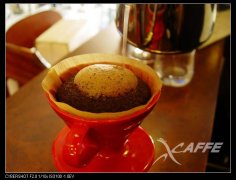
How to Brew Geisha Coffee with V60 Pour Over
Brew a vibrant Ethiopian Geisha coffee using a V60 with 30g coffee, 300ml water at 85°C, and a 3.5 grind setting for floral, fruity complexity.

Why Panamanian Geisha Outshines Jamaican Blue Mountain
Learn why Panamanian Geisha coffee dethroned Jamaica Blue Mountain and Hawaii Kona as the world’s most sought-after specialty coffee.
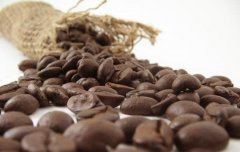
What Makes Jamaican Blue Mountain Coffee So Special?
Learn why Jamaica Blue Mountain coffee is prized for its balance, rarity, and strict quality standards — and how to recognize the real thing.
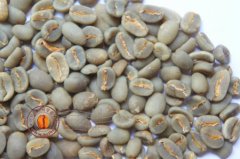
Washed Mandheling from Sumatra’s Gayo Mountain
A rare Grade 1 washed Mandheling from Sumatra’s Gayo Mountain, processed in 2010 and arriving unusually fresh in 2007. Here’s what makes it stand out.

Lintong Mandheling Coffee: What Makes It Different?
This Sumatran Lintong Mandheling coffee from the Rasuna variety offers cleaner, brighter flavors than traditional Mandheling, with floral, fruity, and herbal notes.

Ethiopian Yirgacheffe Washed Coffee Beans Explained
Learn what makes Ethiopian Yirgacheffe washed beans special: bright citrus, floral notes, creamy texture, and medium acidity at 1700–2100m altitude.

North Sumatra Grade 1 Mandheling Coffee Beans
Learn about North Sumatra Grade 1 Mandheling coffee—its origins, characteristics, and what makes it stand out among Indonesian coffees.
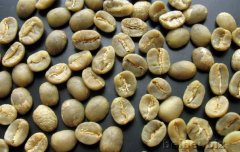
Yunnan BM (Blue Mountain) Coffee Beans Explained
Explore the origins, processing, and flavor of Yunnan’s BM (often called Blue Mountain) coffee variety grown at 1500–2000m altitude.