
"1840"
388 article(s) found
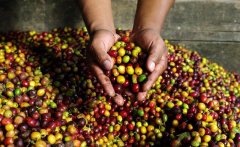
History of coffee cultivation in Nicaragua an introduction to the current situation of coffee industry in Nicaragua
Communication of professional baristas follow Coffee Workshop (Wechat official account cafe_style) Coffee was introduced to Nicaragua by Catholic missionaries in 1790 and was originally grown out of curiosity, but it was not until around 1840 that coffee cultivation began to receive attention because of the growth in global demand for coffee. In 1840 and 1940, the coffee industry had a great impact on the Nicaraguan economy.
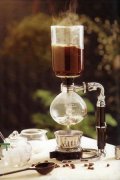
Siphon pot history origin Siphon pot coffee flavor characteristics Siphon pot principle
Professional coffee knowledge exchange More coffee bean information Please pay attention to coffee workshop (Weixin Official Accounts cafe_style) The origin of siphon pot dates from 1830 to 1840. Loeff of Berlin, Germany first invented the siphon extraction method of glass material and upper and lower double pots. Later, after continuous improvement in France, Britain and Germany, it reached its peak in 1950s. another way of saying
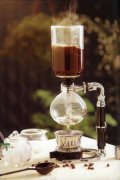
Boutique coffee who invented the siphon pot to make coffee
In 1840, a glass test tube in a laboratory triggered the invention of the siphon coffee maker (Syphon). The British took the test tube used in Biya's chemical experiment as a model to create the first vacuum coffee pot. Two years later, Mrs. Bachang of France improved the kettle, and the familiar upper and lower convection siphon pot was born. The siphon coffee maker lived in France for a long time.
The History of siphon Pot basic knowledge of Coffee utensils
In 1840, a glass test tube in a laboratory triggered the invention of the siphon coffee maker (Syphon). The British took the test tube used in Biya's chemical experiment as a model to create the first vacuum coffee pot. Two years later, Mrs. Bachang of France improved the kettle, and the familiar upper and lower convection siphon pot was born. The siphon coffee maker lived in France for a long time.
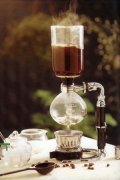
The History of siphon Pot for making Fine Coffee training Pot
In 1840, a glass test tube in a laboratory triggered the invention of the siphon coffee maker (Syphon). The British took the test tube used in Biya's chemical experiment as a model to create the first vacuum coffee pot. Two years later, Mrs. Bachang of France improved the kettle, and the familiar upper and lower convection siphon pot was born. The siphon coffee maker lived in France for a long time.

The cultural history of the coffee pot the history of the siphon pot
In 1840, a glass test tube in a laboratory triggered the invention of the siphon coffee maker (Syphon). The British took the test tube used in Biya's chemical experiment as a model to create the first vacuum coffee pot. Two years later, Mrs. Bachang of France improved the kettle, and the familiar upper and lower convection siphon pot was born. The siphon coffee maker lived in France for a long time.
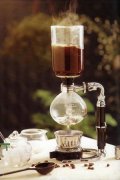
The history of the siphon pot the history and culture of the coffee pot
In 1840, a glass test tube in a laboratory triggered the invention of the siphon coffee maker (Syphon). The British took the test tube used in Biya's chemical experiment as a model to create the first vacuum coffee pot. Two years later, Mrs. Bachang of France improved the kettle, and the familiar upper and lower convection siphon pot was born. The siphon coffee maker lived in France for a long time.
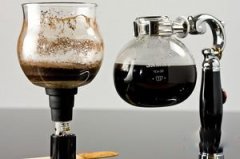
Siphon pot basic knowledge of making coffee
In 1840, a glass test tube in the laboratory triggered the invention of the siphon coffee pot (Syphon), and the British took Biya as a prototype for chemical experiments to create the first vacuum coffee pot. Two years later, Mrs. Baxiang of France improved the pot with a little spring shape, and the familiar upper and lower convection siphon pot was born. Syphon is Jane.

Fine Coffee to make siphon Coffee (plug-in method)
In 1840, a glass test tube in a laboratory triggered the invention of the siphon coffee maker (Syphon). The British took the test tube used in Biya's chemical experiment as a model to create the first vacuum coffee pot. Two years later, Mrs. Bachang of France improved the kettle with a little spring in shape, and the familiar upper and lower convection siphon pot was born. Siphon coffee pot in France
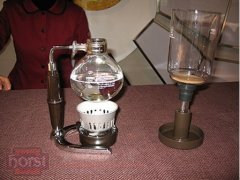
Coffee history siphon history Colombian coffee flavor American boutique coffee society
In 1840, a glass test tube in a laboratory triggered the invention of the siphon coffee maker (Syphon). The British took the test tube used in Biya's chemical experiment as a model to create the first vacuum coffee pot. Two years later, Mrs. Bachang of France improved the kettle with a little spring in shape, and the familiar upper and lower convection siphon pot was born. The siphon coffee maker is

Light fruity flavor of Honduran Coffee Manor. Introduction to Santa Barara.
Honduras declared its independence on September 15, 1821, but was incorporated into the first Mexican Empire in 1822. He joined the Central American Union in 1823 and withdrew from the Central American Union in October 1838 to establish a republic. In 1840, with the support of Guatemalan dictator Rafael Carrera, conservative Francisco Ferreira established a dictatorship. After 1853, freedom in Honduras

An introduction to the Historical Origin of Coffee Bean Flavor in Nicaragua
Following Cafe (official Wechat account vdailycom) found that the Cafe Beautiful opened a small shop of its own that was brought to Nicaragua by Catholic missionaries in 1790 and was originally grown just out of curiosity. It was not until about 1840 that coffee cultivation began to receive attention due to the growth of global demand for coffee. The first commercial planting area in the country is around Managua. Pass
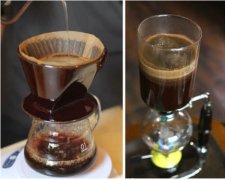
Coffee brewing skills of siphon pot
The siphon pot (Syphon) is an excellent coffee utensil invented by the Scots in 1840. Although its usage is complicated, real coffee fans love it. They generally think that the coffee brewed in the siphon pot has the most pure taste, especially the brewing (making) high-quality coffee, the siphon pot must be their first choice, which is like a real photo.

Flavor description of Honduran coffee beans introduction of regional treatment methods for taste and characteristics of varieties
The flavor description of Honduran coffee beans the characteristics of varieties produced by regions introduced Honduras declared its independence on September 15, 1821, but was incorporated into the first Empire of Mexico in 1822. He joined the Central American Union in 1823 and withdrew from the Central American Union in October 1838 to establish a republic. In 1840 Honduras, supported by Guatemalan dictator Rafael Carrera, was a conservative Francis.

Flavor description of Honduran Coffee Bean introduction to the characteristics of taste manor by regional treatment method
Honduras Coffee Bean Flavor description Variety Regional treatment method Taste Manor characteristics Honduras declared its independence on September 15, 1821, but was incorporated into the first Empire of Mexico in 1822. He joined the Central American Union in 1823 and withdrew from the Central American Union in October 1838 to establish a republic. In 1840 Honduras, supported by Guatemalan dictator Rafael Carrera, was a conservative, Fran.

Introduction to the quality characteristics of Honduran Coffee Flavor description
Honduras Coffee beans Honduras declared its independence on September 15, 1821, but was incorporated into the first Mexican Empire in 1822. He joined the Central American Union in 1823 and withdrew from the Central American Union in October 1838 to establish a republic. In 1840, with the support of Guatemalan dictator Rafael Carrera, conservative Francisco Ferreira established a dictatorship. After 1853, Hong
El Renas Estate Coffee Grind Taste Flavor Description Boutique Coffee Features
Honduras declared independence on September 15, 1821, but was incorporated into the First Mexican Empire in 1822. Joined the Central American Federation in 1823, withdrew from the Central American Federation in October 1838 and established the Republic. In Honduras in 1840, the conservative Francisco Ferreira, supported by Guatemala dictator Rafael Carrera, established a dictatorship. Freedom in Honduras after 1853
Introduction to the characteristics of Fine Coffee in Renas Manor of El Salvador
Honduras declared its independence on September 15, 1821, but was incorporated into the first Mexican Empire in 1822. He joined the Central American Union in 1823 and withdrew from the Central American Union in October 1838 to establish a republic. In 1840, with the support of Guatemalan dictator Rafael Carrera, conservative Francisco Ferreira established a dictatorship. After 1853, freedom in Honduras

Introduction of coffee flavor and taste characteristics of Santa Barara Manor in Honduras with slight floral aroma
Honduras declared its independence on September 15, 1821, but was incorporated into the first Mexican Empire in 1822. He joined the Central American Union in 1823 and withdrew from the Central American Union in October 1838 to establish a republic. In 1840, with the support of Guatemalan dictator Rafael Carrera, conservative Francisco Ferreira established a dictatorship. After 1853, freedom in Honduras

Description of coffee flavor of Santa Barara Manor in Honduras with overall balanced taste introduction to the degree of grinding
Honduras declared its independence on September 15, 1821, but was incorporated into the first Mexican Empire in 1822. He joined the Central American Union in 1823 and withdrew from the Central American Union in October 1838 to establish a republic. In 1840, with the support of Guatemalan dictator Rafael Carrera, conservative Francisco Ferreira established a dictatorship. After 1853, freedom in Honduras